

Common Zircon Sand Conveying Methods: An Introduction to Zircon Sand Pneumatic Conveying
When it comes to the efficient and reliable transport of zircon sand, selecting the right conveying method is crucial for industrial operations. Zircon sand, a valuable mineral used in various applications such as refractory materials, ceramics, and chemical industries, requires specialized handling to maintain its quality and prevent degradation during transport. Among the various options available, pneumatic conveying stands out as a highly effective solution for zircon sand transportation. This article explores common zircon sand conveying methods, with a focus on the advantages and applications of pneumatic conveying systems.
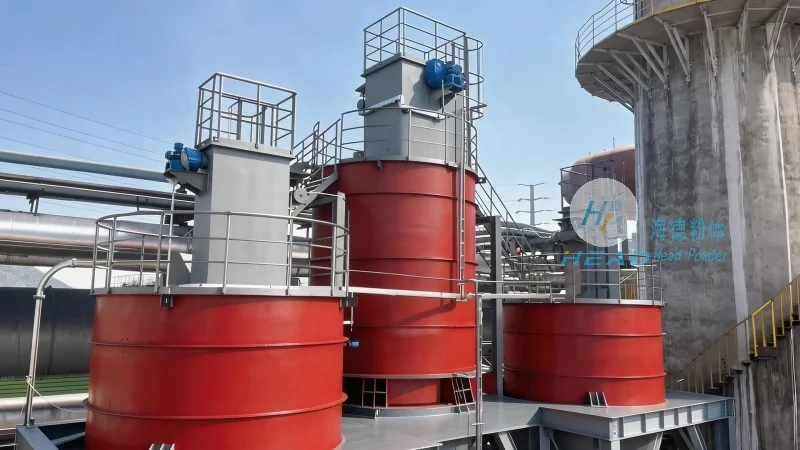
Understanding Zircon Sand and Its Transport Challenges
Zircon sand, composed primarily of zirconium silicate (ZrSiO₄), is a heavy, abrasive material that demands careful consideration during handling. Its high density and fine particle size make traditional gravity or mechanical conveying methods less suitable, as they can lead to material degradation, equipment wear, and inefficiencies. The need for a system that can handle these characteristics while maintaining product integrity has led to the development of advanced conveying technologies, with pneumatic conveying emerging as a preferred choice for many industries.
Common Zircon Sand Conveying Methods
Several methods are employed for zircon sand transport, each with its own set of advantages and limitations. The primary options include:
Gravity Conveying: This method relies on the natural flow of zircon sand from a higher to a lower elevation. While simple and low-cost, it is limited by the need for a suitable topography and is not suitable for long distances or vertical transport.
Mechanical Conveying: Systems like belt conveyors, screw conveyors, and bucket elevators are commonly used. These methods are effective for horizontal or slight incline transport but can cause particle breakage and wear due to friction and impact.
Pneumatic Conveying: This method uses air pressure to move zircon sand through a pipeline system. It offers high efficiency, minimal product degradation, and the ability to handle both horizontal and vertical transport over long distances.
Advantages of Zircon Sand Pneumatic Conveying
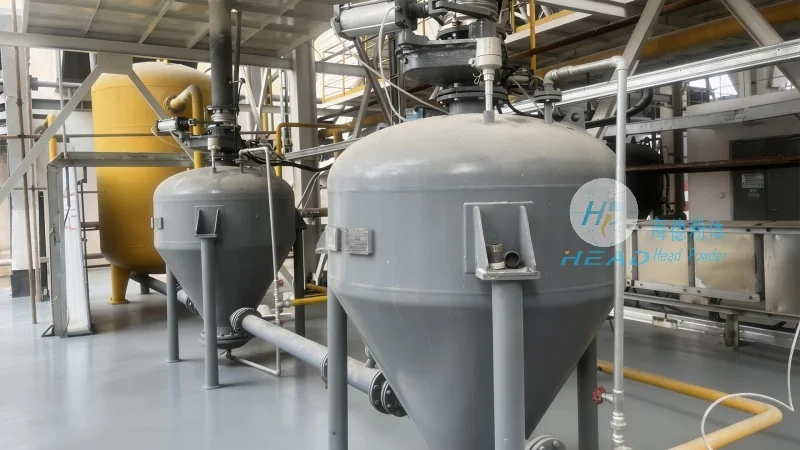
Pneumatic conveying systems provide several key benefits that make them ideal for zircon sand transport:
Minimal Product Degradation: The enclosed pipeline system prevents exposure to external elements, reducing the risk of dust generation, moisture absorption, and particle breakage.
Efficient Long-Distance Transport: Pneumatic systems can transport zircon sand over significant distances with minimal energy loss, making them suitable for large-scale industrial applications.
Flexible Layout: The modular design of pneumatic conveying systems allows for easy integration into existing production lines and adaptation to changing operational needs.
Low Maintenance: Compared to mechanical systems, pneumatic conveyors have fewer moving parts, resulting in lower maintenance costs and longer equipment life.
Components of a Zircon Sand Pneumatic Conveying System
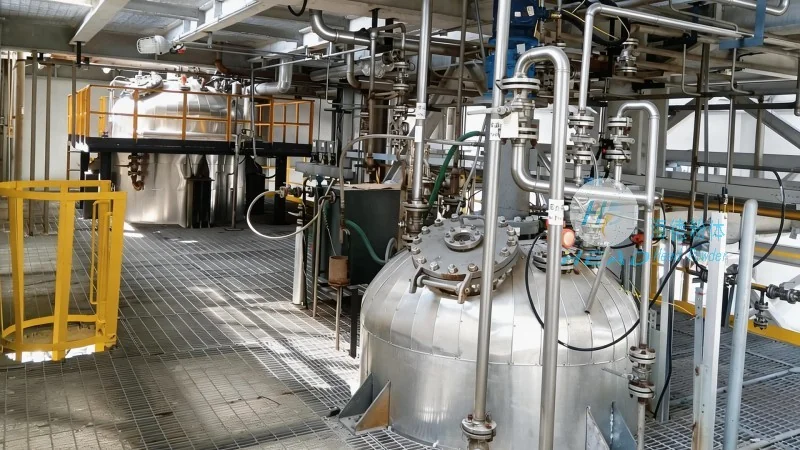
A typical zircon sand pneumatic conveying system consists of several key components, each playing a critical role in the transport process:
Feeder: The feeder is responsible for feeding zircon sand into the conveying line at a controlled rate. It ensures a consistent flow and prevents blockages.
Conveying Pipeline: The pipeline, usually made of stainless steel or other corrosion-resistant materials, transports the zircon sand and air mixture. The design of the pipeline, including bends and elbows, is optimized to minimize pressure drop and maintain flow efficiency.
Air Compressor: The air compressor generates the necessary air pressure to move the zircon sand particles through the pipeline. The choice of compressor type (positive displacement or centrifugal) depends on the system's capacity and pressure requirements.
Receiver: The receiver is the terminal point of the conveying system where the zircon sand is deposited. It is designed to separate the sand from the air and collect it in a storage or processing container.
Control System: Modern pneumatic conveying systems are equipped with advanced control systems that monitor pressure, flow rate, and other parameters to ensure optimal operation and prevent system failures.
Applications of Zircon Sand Pneumatic Conveying
Zircon sand pneumatic conveying is widely used in various industrial sectors due to its versatility and efficiency. Some common applications include:
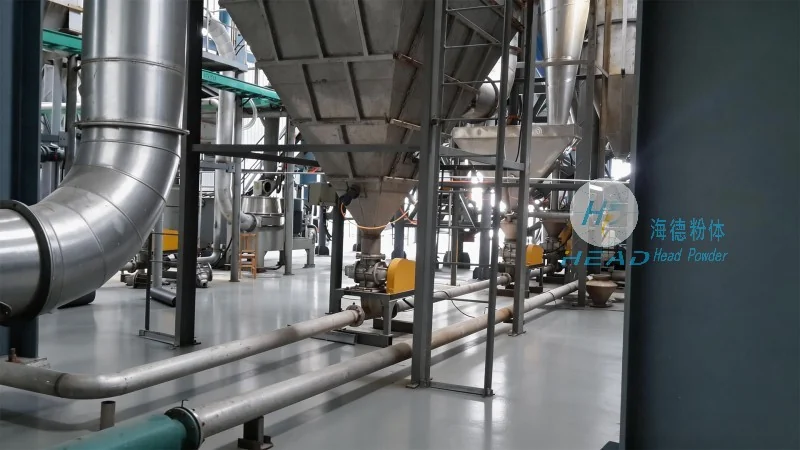
Refractory Production: Zircon sand is a key ingredient in refractory materials, and pneumatic conveying ensures that the raw material is delivered to the production line in a clean and consistent manner.
Ceramic Manufacturing: In the ceramics industry, zircon sand is used to improve the strength and durability of ceramic products. Pneumatic conveying maintains the quality of the sand, ensuring uniform product characteristics.
Chemical Processing: Zircon sand is used as a raw material in chemical processes, and pneumatic systems help in the efficient transport of the material to reactors and processing units.
Construction Materials: Zircon sand is used in the production of construction materials such as concrete and mortar. Pneumatic conveying ensures that the sand is delivered to the mixing plants without contamination or degradation.
Conclusion
Choosing the right zircon sand conveying method is essential for optimizing industrial operations and maintaining product quality. While several options are available, pneumatic conveying offers significant advantages in terms of efficiency, minimal degradation, and flexibility. For companies operating in the zircon sand industry, investing in a well-designed pneumatic conveying system can lead to improved productivity, reduced costs, and enhanced product quality. As a leading provider of zircon sand processing solutions, Shandong HeadPowder Engineering Co., Ltd. specializes in the design and implementation of advanced pneumatic conveying systems tailored to the specific needs of zircon sand applications. With a focus on quality and innovation, HeadPowder ensures that zircon sand is transported efficiently and reliably, supporting the success of its clients in various industries.