

Common Kaolin Powder Conveying Methods: An Introduction to Kaolin Powder Pneumatic Conveying
When it comes to handling and transporting kaolin powder, selecting the right conveying method is crucial for ensuring efficiency, safety, and product integrity. Kaolin, a soft, white clay mineral widely used in various industries such as paper, ceramics, and coatings, requires specialized equipment and techniques to move it from storage to processing units without degradation or loss. The choice of conveying method depends on factors like material properties, distance, volume, and operational environment. In this article, we explore common kaolin powder conveying methods, with a focus on the advantages and applications of pneumatic conveying systems, as offered by Shandong HeadPowder Engineering Co., Ltd. (headpowder).
Overview of Kaolin Powder Conveying Methods
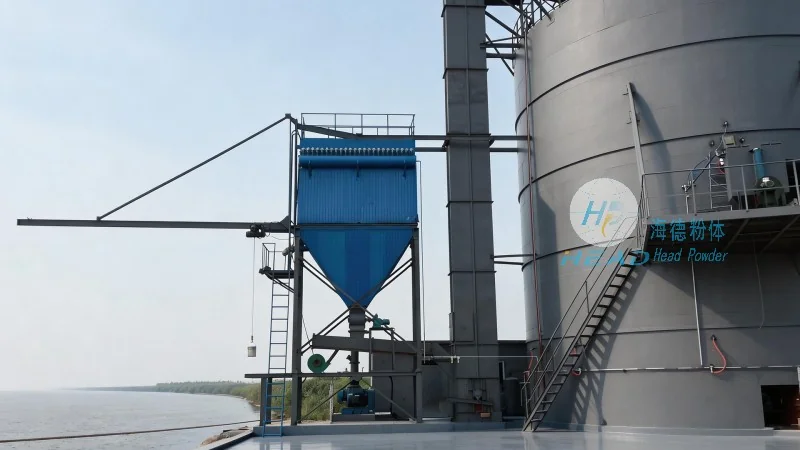
Conveying kaolin powder involves moving the fine, dry material from its source to the next stage of production. Traditional methods include mechanical systems like screw conveyors, belt conveyors, and bucket elevators, which are effective for short distances and moderate volumes. However, these methods may face challenges with fine powders, such as caking, blockages, and dust generation. For larger-scale operations, especially in industrial settings, pneumatic conveying has emerged as a preferred solution due to its ability to handle high volumes, long distances, and sensitive materials.
Pneumatic Conveying: The Preferred Method for Kaolin Powder
Pneumatic conveying uses air or other gases to transport dry powders through a pipeline system. This method is particularly suitable for kaolin powder because it minimizes product degradation, reduces dust exposure, and offers flexible routing options. There are two main types of pneumatic conveying: pressure and vacuum systems. Pressure systems use compressed air to push the material through the pipeline, while vacuum systems use suction to draw the material into the line. Both systems can be customized to meet specific operational requirements, such as the need for low or high pressure, and the volume of material to be transported.
Key Components of Kaolin Powder Pneumatic Conveying Systems
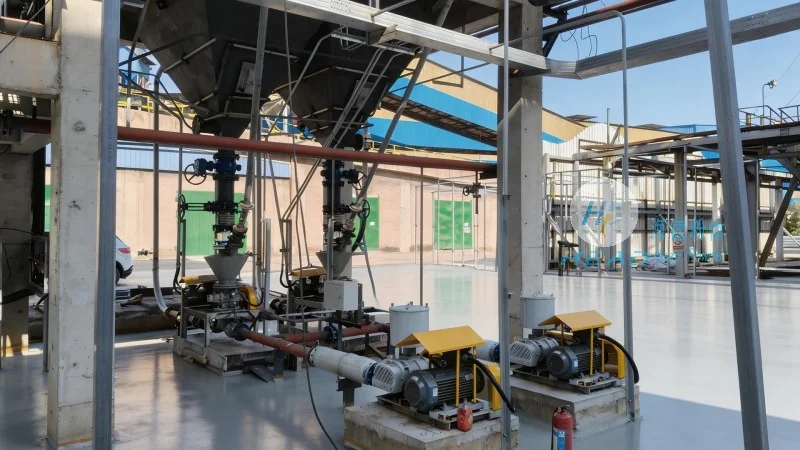
A typical kaolin powder pneumatic conveying system consists of several key components that work together to ensure efficient and reliable operation. These components include a hopper or storage silo to hold the raw material, a feeder to control the flow rate, a conveying line (usually made of stainless steel or other corrosion-resistant materials to prevent contamination), and a receiver or discharge unit to deliver the material to the processing equipment. The system may also include filters, cyclones, and dust collectors to manage air quality and prevent material loss. For kaolin powder, which is often sensitive to moisture and contamination, the choice of materials for the conveying line and components is critical to maintain product quality.
Advantages of Pneumatic Conveying for Kaolin Powder
Compared to traditional mechanical conveying methods, pneumatic conveying offers several advantages for kaolin powder handling. First, it provides a closed system that reduces dust emissions and improves workplace safety. This is especially important in industries where dust can be a health hazard or cause environmental issues. Second, pneumatic systems can handle high volumes of material over long distances without the need for multiple transfer points, which reduces downtime and maintenance costs. Third, the gentle handling of the material minimizes degradation, ensuring that the kaolin powder retains its desired properties for downstream applications. Additionally, pneumatic conveying allows for flexible routing, enabling the system to be adapted to changes in production needs or facility layout.
Applications of Kaolin Powder Pneumatic Conveying
Kaolin powder is used in a wide range of industries, and the pneumatic conveying systems designed for it are tailored to meet the specific requirements of each application. In the paper industry, kaolin is used as a coating pigment to improve paper brightness and smoothness. Pneumatic conveying systems are used to transport the kaolin from storage to the paper mill, where it is mixed with other chemicals and applied to the paper web. In the ceramics industry, kaolin is used as a raw material to make clay products such as tiles and sanitaryware. The pneumatic system ensures that the kaolin is delivered to the mixing and molding equipment in a consistent and controlled manner. In the coatings industry, kaolin is used as a filler to improve the durability and appearance of paint and varnish. The conveying system delivers the kaolin to the production line, where it is blended with other ingredients to create the final product.
Considerations for Implementing Kaolin Powder Pneumatic Conveying
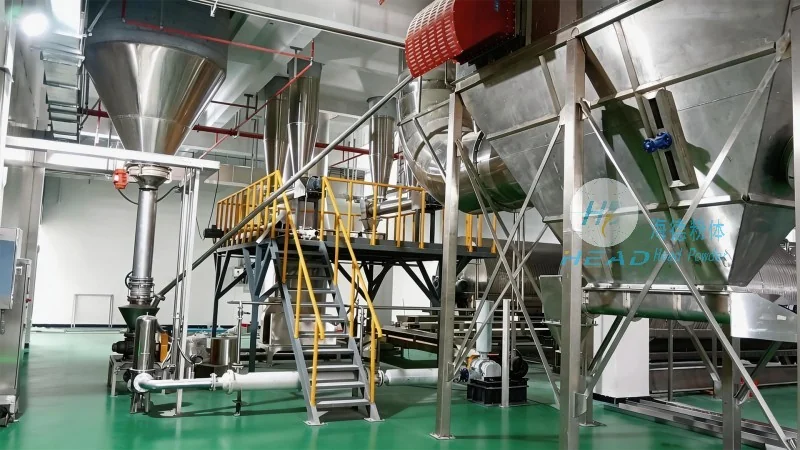
When implementing a kaolin powder pneumatic conveying system, several factors must be considered to ensure optimal performance and longevity. First, the material properties of the kaolin powder, such as particle size, moisture content, and flowability, must be carefully evaluated. These properties affect the system's design, including the type of feeder and the pressure or vacuum required. Second, the distance and volume of material to be transported are critical factors in determining the system's capacity and components. For example, a long-distance system may require larger diameter pipes and more powerful air compressors. Third, the system's integration with existing equipment and processes must be considered to minimize disruption to production. Finally, regular maintenance and monitoring are essential to ensure the system operates efficiently and to prevent issues such as blockages or equipment failure.
Conclusion
Choosing the right conveying method for kaolin powder is essential for the success of industrial operations. While traditional mechanical systems have their place, pneumatic conveying has become the preferred method for many applications due to its efficiency, safety, and flexibility. By understanding the key components and advantages of pneumatic conveying systems, businesses can make informed decisions about their material handling strategies. As the demand for kaolin powder continues to grow, the importance of reliable and efficient conveying systems will only increase. For companies looking to optimize their kaolin powder handling processes, pneumatic conveying offers a proven and effective solution. Shandong HeadPowder Engineering Co., Ltd. specializes in providing tailored pneumatic conveying solutions for kaolin powder, ensuring that operations run smoothly and product quality is maintained. With facilities located in Shandong, China, headpowder leverages years of experience to deliver high-quality equipment and support for kaolin powder handling needs.