

How to Design a Reasonable Heavy Powder Pneumatic Conveying System Plan?
When designing a heavy powder pneumatic conveying system, it is crucial to consider multiple factors to ensure efficiency, reliability, and cost-effectiveness. The process involves a systematic approach that addresses material characteristics, system requirements, and operational constraints. This guide outlines key considerations and best practices for developing an optimal system plan.
Understanding Material Properties and Flow Characteristics
Before designing the system, a thorough analysis of the material being conveyed is essential. Heavy powders often have unique properties such as high density, abrasive nature, or tendency to agglomerate. These characteristics directly impact the choice of conveying equipment, pipeline design, and air flow parameters. For instance, abrasive materials may require special materials of construction for the conveying lines to prevent wear and tear. Agglomerating powders might need pre-drying or conditioning to improve flowability. The particle size distribution, moisture content, and bulk density are critical data points that influence the selection of the appropriate pneumatic conveying method—whether it is dilute phase, dense phase, or a hybrid system.
System Configuration and Equipment Selection
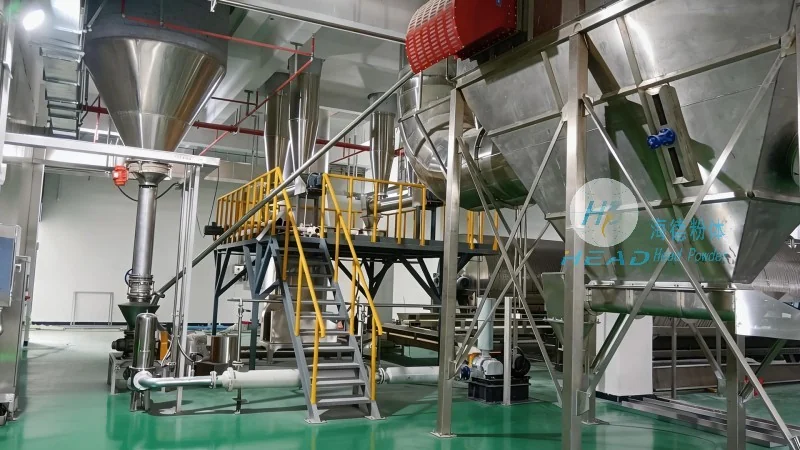
HeadPowder Engineering Co., Ltd., a leading provider of pneumatic conveying solutions, emphasizes the importance of tailored equipment selection. The system configuration typically includes a blower or compressor, feeders, conveying lines, and control systems. The blower's capacity and pressure must match the system's requirements to maintain consistent material flow. For heavy powders, positive displacement blowers are often preferred due to their ability to handle high-pressure, low-volume air flows, which is essential for dense phase conveying. The feeder, such as a rotary valve or screw feeder, ensures a steady and controlled material feed into the system, preventing blockages and maintaining system stability.
Pipeline Design and Layout Considerations
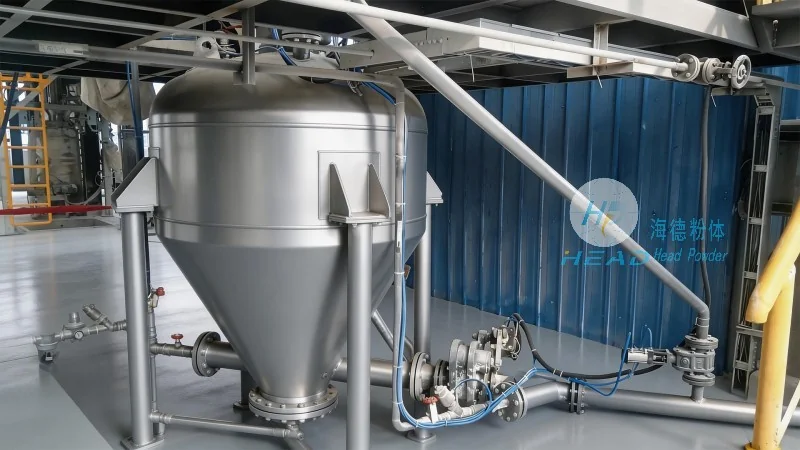
The design of the conveying pipeline is a critical aspect of system performance. The pipeline layout should minimize bends and changes in direction to reduce pressure losses and prevent material deposition. For heavy powders, vertical and horizontal runs must be carefully balanced to avoid settling or clogging. The use of appropriate pipe materials, such as stainless steel or abrasion-resistant alloys, is vital to withstand the wear caused by abrasive particles. Additionally, the inclusion of expansion joints and flexible connectors helps accommodate thermal expansion and reduce stress on the system components.
Air Flow Management and Control Strategies
Effective air flow management is essential for maintaining the desired conveying velocity and preventing material degradation. The system should be equipped with pressure sensors and flow meters to monitor real-time performance. Control systems, including PLCs (Programmable Logic Controllers), allow for automated adjustments to air pressure and flow rate based on material feed rates. This ensures that the system operates within optimal parameters, reducing energy consumption and extending equipment life. For heavy powders, maintaining a consistent air-to-material ratio is crucial to prevent over-pressurization or under-conveying, which can lead to system inefficiencies.

Integration of Safety and Maintenance Features
Ensuring the safety and longevity of the system is a top priority. HeadPowder incorporates safety features such as pressure relief valves, dust collection systems, and emergency shut-off mechanisms. Regular maintenance is also critical for system reliability. The design should include accessible components for inspection and cleaning, and a maintenance schedule that addresses wear parts and system checks. By integrating these features, the system not only operates efficiently but also adheres to safety standards and reduces downtime.
Case Study: Successful Implementation by HeadPowder Engineering
HeadPowder Engineering Co., Ltd., based in Shandong, China, has successfully implemented numerous heavy powder pneumatic conveying systems for various industries, including chemical, pharmaceutical, and food processing. One notable project involved conveying high-density, abrasive cement powders over a distance of 500 meters. The system was designed with a positive displacement blower, stainless steel pipelines, and a rotary valve feeder. The result was a reliable and energy-efficient operation, with minimal material loss and reduced maintenance costs. This case study highlights the expertise and tailored solutions provided by HeadPowder, demonstrating the effectiveness of their design approach.
Conclusion and Recommendations
Designing a reasonable heavy powder pneumatic conveying system requires a comprehensive understanding of material properties, system requirements, and operational constraints. By following best practices in equipment selection, pipeline design, and air flow management, as exemplified by HeadPowder Engineering Co., Ltd., organizations can achieve efficient, reliable, and cost-effective material handling solutions. The key is to approach the design process systematically, considering both short-term and long-term operational needs, and leveraging specialized expertise to optimize system performance.