

How to Design a Reasonable Clay Pneumatic Conveying System Plan?
HeadPowder, a leading engineering firm based in Shandong, China, specializes in the design and implementation of efficient pneumatic conveying systems for various industrial applications. With years of experience in handling challenging materials like clay, the company provides tailored solutions that ensure optimal performance and reliability. This article outlines the key steps and considerations for designing a reasonable clay pneumatic conveying system, highlighting the importance of material analysis, system component selection, and operational optimization.
Key Factors in Clay Pneumatic Conveying System Design
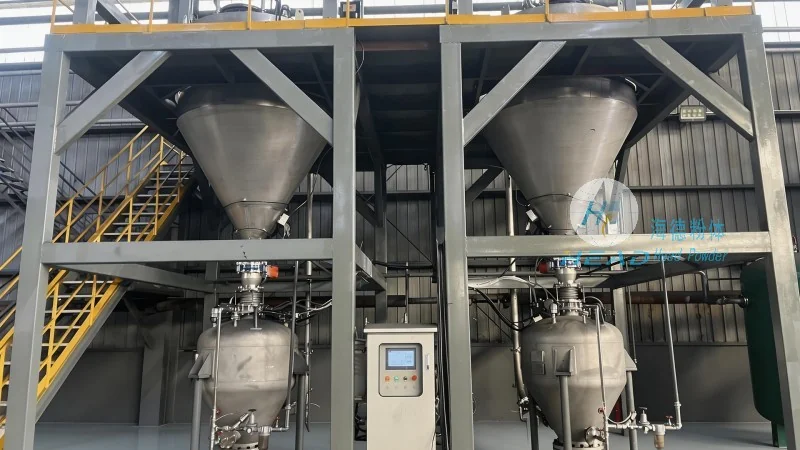
The first step in designing a clay pneumatic conveying system is to thoroughly analyze the properties of the clay material. This includes assessing its particle size distribution, moisture content, and bulk density. These characteristics are critical because they directly influence the selection of the appropriate conveying method—whether a dilute phase or dense phase system—and the required air pressure and flow rates. For example, clay with high moisture content may require a system with higher air flow to prevent clogging and maintain material velocity.
Core Components of a Clay Pneumatic Conveying System
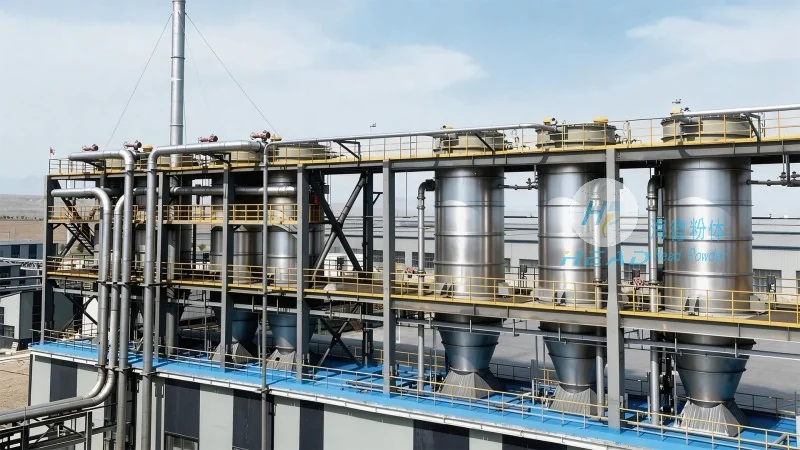
The core components of a clay pneumatic conveying system typically include a material hopper, a rotary airlock valve, a positive displacement blower or a high-pressure compressor, a pipeline network, and a receiver or discharge hopper. The material hopper stores the clay and feeds it into the system, while the rotary airlock valve controls the flow of material into the pipeline, preventing backflow. The blower or compressor generates the necessary air pressure to transport the clay through the pipeline. The pipeline network connects the components and transports the material to the receiver, where it is discharged. Each component must be selected based on the specific requirements of the clay and the system's operational parameters to ensure efficient and reliable operation.
System Design Considerations: Distance, Elevation, and Capacity
Several key considerations must be addressed during the design process. The conveying distance and elevation changes are crucial, as they determine the necessary air pressure and power requirements. For longer distances or higher elevations, a dense phase system may be more suitable to maintain material velocity and prevent clogging. Additionally, the system's capacity needs to be matched with the production rate of the clay processing plant to avoid bottlenecks or underutilization of equipment. Overdesigning the system can lead to unnecessary energy consumption and costs, while underdesigning can result in reduced productivity and potential system failures.
Optimizing the System for Efficiency and Reliability
Optimizing the clay pneumatic conveying system involves fine-tuning the air flow and pressure to achieve the best balance between energy efficiency and material transport efficiency. Regular maintenance and monitoring of the system components, such as the blower, airlocks, and pipelines, are essential to prevent wear and tear and ensure long-term reliability. HeadPowder's engineering team employs advanced simulation tools and field testing to validate the system design and make necessary adjustments before implementation. This ensures that the system operates at peak performance and minimizes downtime due to maintenance or operational issues.
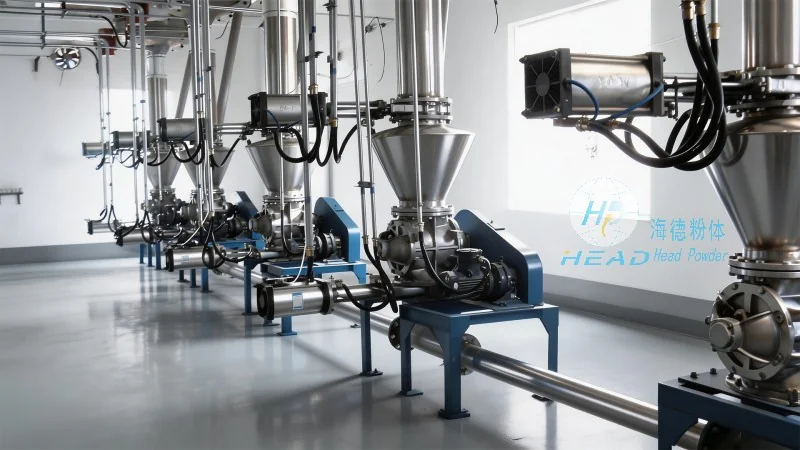
Conclusion: Achieving a Reliable and Cost-Effective Solution
By following a comprehensive design approach that considers material properties, system components, and operational requirements, companies can achieve a reliable and cost-effective clay pneumatic conveying system. HeadPowder's expertise in this field ensures that clients receive customized solutions that meet their specific needs, enhancing productivity and reducing operational costs in clay processing operations. The systematic design process, combined with the company's experience and advanced tools, makes it possible to develop a system that is both efficient and durable, providing long-term benefits to the client.