

How to Design a Reasonable Red Mud Pneumatic Conveying System Plan?
When designing a red mud pneumatic conveying system, it is crucial to consider several key factors to ensure efficiency, reliability, and cost-effectiveness. Red mud, a byproduct of bauxite processing, poses unique challenges due to its high moisture content, abrasive nature, and variable particle size. A well-designed system must address these challenges while optimizing material handling processes for industrial applications.
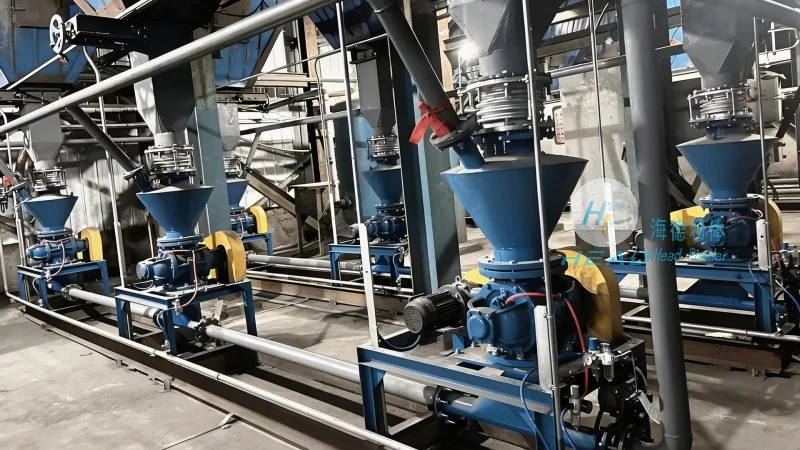
Key Considerations for System Layout and Components
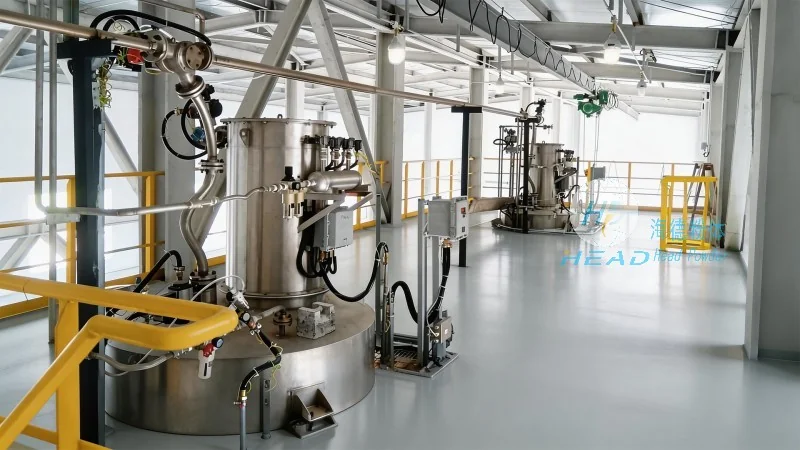
System layout is a critical aspect of red mud pneumatic conveying design. The configuration should include appropriate equipment such as a hopper for material storage, a feeder to control the flow rate, and a conveying line with suitable ductwork. The choice of duct material is vital, as red mud can be highly abrasive, requiring materials like stainless steel or special coatings to prevent wear and corrosion. Additionally, the system must incorporate a dust collection and filtration system to comply with environmental regulations and maintain air quality. The selection of a positive or negative pressure system depends on the specific application and distance of material transport, with positive pressure systems often preferred for longer distances due to their ability to handle more complex layouts.
Material Handling and Flow Control Solutions
Effective flow control is essential for maintaining consistent material transport in red mud pneumatic conveying systems. The use of rotary valves or screw feeders can regulate the discharge rate from the hopper, preventing blockages and ensuring smooth operation. These components must be designed to handle the high moisture content and abrasive properties of red mud, with features like wear-resistant liners and adjustable speed controls. The system should also include pressure relief valves and check valves to protect against overpressure and backflow, enhancing safety and operational stability. Proper maintenance of these components is crucial to minimize downtime and extend the system's lifespan.
Environmental and Safety Compliance
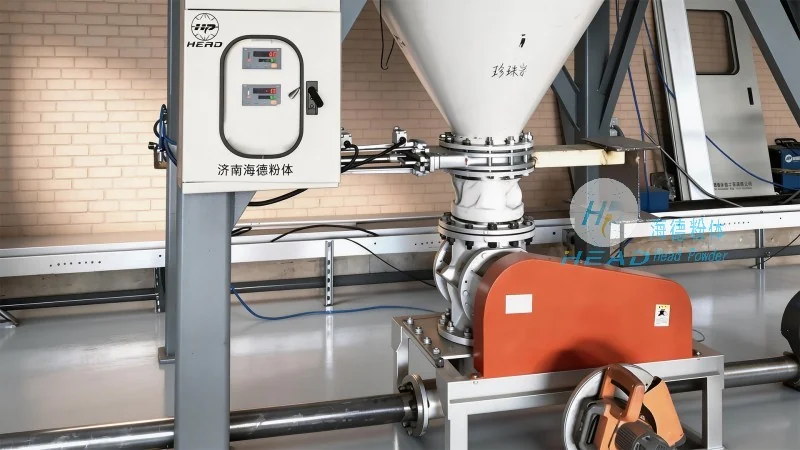
Compliance with environmental and safety standards is a non-negotiable aspect of red mud pneumatic conveying system design. The system must be equipped with efficient dust collection and filtration systems to capture particulate matter and prevent emissions. This includes high-efficiency particulate air (HEPA) filters or baghouse systems, which can achieve low emission levels. Additionally, the system should incorporate safety features such as pressure relief devices, emergency shutdown valves, and monitoring systems to detect abnormal conditions like overpressure or blockages. Regular maintenance and inspections are necessary to ensure the system operates within safe parameters and meets regulatory requirements. The design should also consider the potential for dust explosions, incorporating explosion-proof components and proper ventilation to mitigate risks.
Case Study: Successful Implementation by Shandong HeadPowder Engineering Co., Ltd.
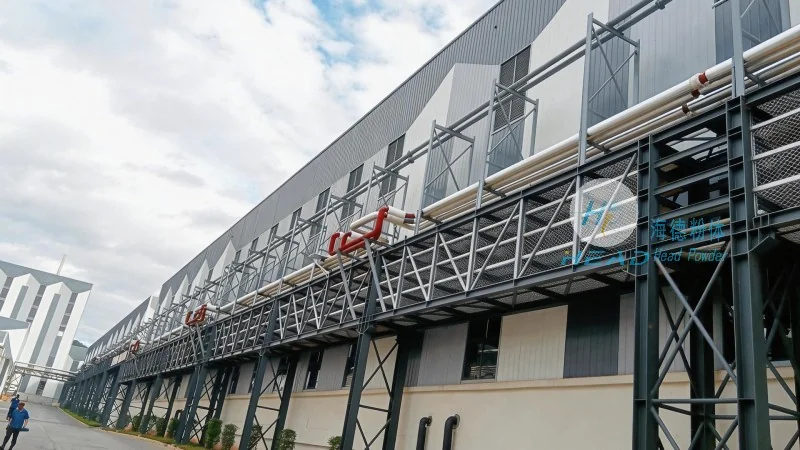
Shandong HeadPowder Engineering Co., Ltd., a leading provider of industrial material handling solutions, has successfully implemented red mud pneumatic conveying systems for various clients. By leveraging their expertise in material science and engineering, the company has designed systems tailored to the specific needs of each project. For instance, a client in Shandong required a system to transport red mud over a distance of 500 meters, with high moisture content and abrasive properties. HeadPowder engineers designed a positive pressure system with stainless steel ductwork, rotary valves, and a high-efficiency dust collection system. The system was installed and commissioned, achieving a consistent conveying rate of 30 tons per hour with minimal downtime. The client reported significant improvements in operational efficiency and reduced maintenance costs compared to traditional methods. This case study highlights the importance of tailored system design and the expertise of specialized engineering firms like HeadPowder in delivering reliable solutions for challenging material handling applications.