

How to Design a Reasonable Mineral Powder Pneumatic Conveying System Plan?
When it comes to transporting mineral powders efficiently and safely, the design of a pneumatic conveying system is critical. A well-designed system not only ensures optimal performance but also minimizes operational costs and reduces the risk of material degradation or equipment failure. This article provides a comprehensive guide to designing a reasonable mineral powder pneumatic conveying system, focusing on key considerations and practical steps to achieve a successful implementation.
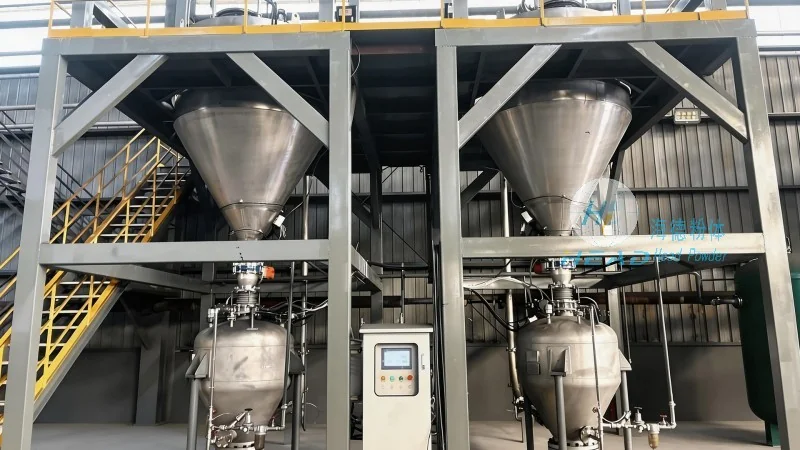
Introduction to Mineral Powder Pneumatic Conveying Systems
Mineral powder pneumatic conveying systems are widely used in industries such as mining, chemicals, and food processing to transport bulk materials over short to medium distances. These systems use air or other gases to move powders through a pipeline network, offering advantages like dust control, reduced material handling time, and the ability to transport materials in a closed environment. However, the effectiveness of these systems heavily depends on the initial design phase, which must account for various factors including material properties, system layout, and operational requirements.
Understanding the Core Components of a Pneumatic Conveying System
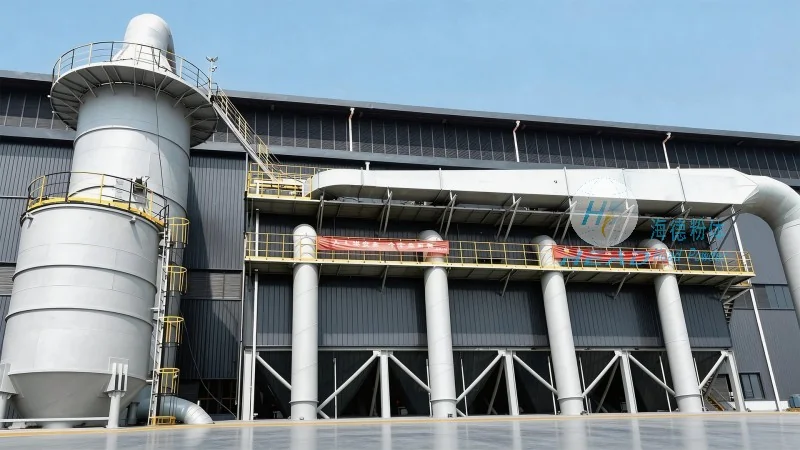
A typical mineral powder pneumatic conveying system consists of several key components that work together to ensure smooth material transport. The primary components include the material feed hopper, the conveying line (pipeline), the air supply system (blower or compressor), and the control valves. Each component plays a crucial role in the overall system performance. For instance, the feed hopper is responsible for storing and feeding the mineral powder into the system, while the blower provides the necessary air pressure to move the material through the pipeline. The control valves, on the other hand, regulate the flow of air and material to maintain system stability and prevent blockages.
Design Considerations for Material Properties
One of the most critical aspects of designing a mineral powder pneumatic conveying system is understanding the properties of the material being transported. Mineral powders vary significantly in terms of particle size, density, moisture content, and flowability. These properties directly impact the system's design, as they determine the required air velocity, pressure, and equipment specifications. For example, materials with high moisture content may require additional drying steps or specialized equipment to prevent caking and blockages. Similarly, powders with fine particles may need higher air velocities to prevent settling and ensure consistent flow. By carefully analyzing material properties, engineers can select the appropriate system configuration and components to ensure reliable operation.
System Layout and Pipeline Design
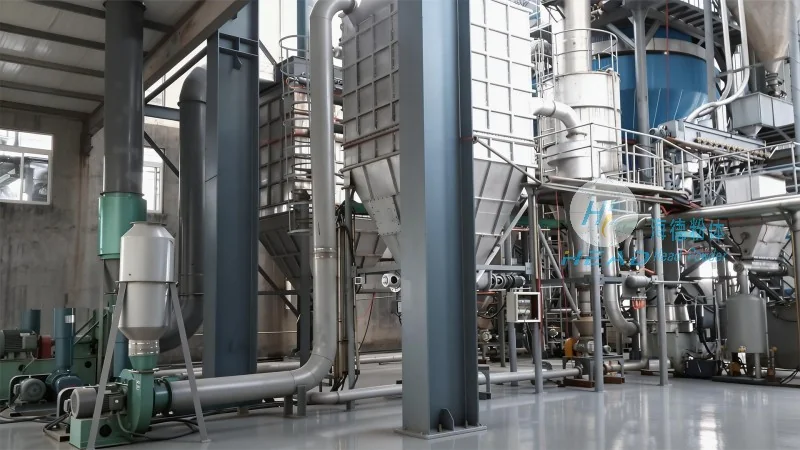
The layout of the pneumatic conveying system, including the pipeline configuration and the placement of components, is another critical design factor. The system layout should be designed to minimize the number of bends and changes in direction, as these can cause pressure losses and increase the risk of material deposition. The pipeline diameter and length are also important considerations, as they affect the air velocity and pressure required for material transport. Additionally, the system should be designed to accommodate future expansions or changes in material handling requirements. Proper planning of the system layout can significantly improve system efficiency and reduce maintenance costs over time.
Selection of Air Supply Equipment
The air supply equipment, such as blowers or compressors, is a key component of the pneumatic conveying system. The choice of equipment depends on the system's required air volume and pressure, as well as the material properties and system layout. Centrifugal blowers are commonly used for low to medium pressure applications, while positive displacement blowers are suitable for high-pressure systems. The selection of the air supply equipment should be based on the system's operating conditions and the manufacturer's specifications. Proper sizing and maintenance of the air supply equipment are essential to ensure the system operates efficiently and reliably.
Control and Monitoring Systems
Modern pneumatic conveying systems often incorporate advanced control and monitoring systems to optimize performance and prevent issues. These systems may include sensors to monitor air pressure, material flow, and temperature, as well as control valves to regulate the system's operation. The control system can be programmed to adjust the air flow and material feed rate based on real-time conditions, ensuring the system operates at its optimal efficiency. Additionally, monitoring systems can provide early warnings of potential problems, such as blockages or pressure drops, allowing for timely maintenance and preventing system downtime.
Maintenance and Troubleshooting
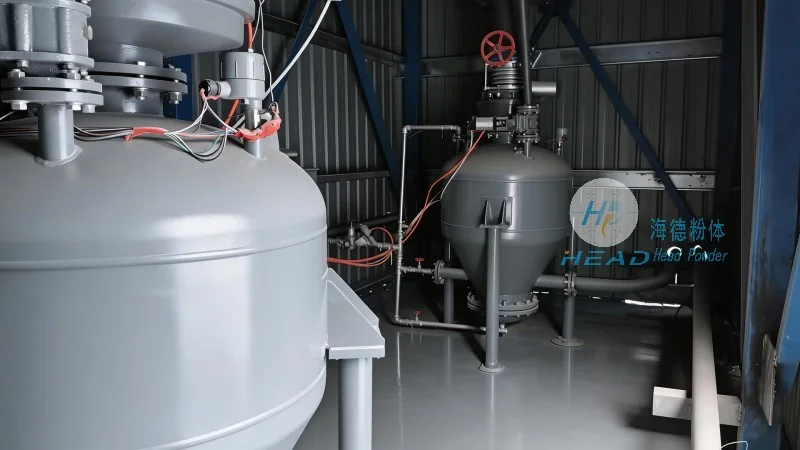
Regular maintenance is essential to ensure the long-term performance and reliability of a mineral powder pneumatic conveying system. This includes cleaning the pipeline and components, checking for wear and tear, and replacing worn parts as needed. Common issues in pneumatic conveying systems include blockages, pressure losses, and material degradation. By following a regular maintenance schedule and using appropriate troubleshooting techniques, these issues can be identified and resolved quickly, minimizing downtime and operational costs.
Conclusion
Designing a reasonable mineral powder pneumatic conveying system requires a thorough understanding of material properties, system components, and operational requirements. By considering key factors such as material characteristics, system layout, and equipment selection, engineers can develop a system that meets the specific needs of the application. The Shandong HeadPowder Engineering Co., Ltd., a leading provider of pneumatic conveying solutions, offers expert design and implementation services to help clients achieve efficient and reliable mineral powder transport. With their comprehensive approach to system design and maintenance, clients can ensure the long-term success of their pneumatic conveying operations.