

How to Design a Reasonable Calcium Oxide Pneumatic Conveying System Plan?
When it comes to handling calcium oxide, selecting an efficient and reliable pneumatic conveying system is crucial for optimizing material transport processes. A well-designed system not only enhances operational efficiency but also ensures safety and cost-effectiveness. This article provides a comprehensive guide on how to design a reasonable calcium oxide pneumatic conveying system, incorporating key considerations and best practices from industry experts at Shandong HeadPowder Engineering Co., Ltd., a leading provider in the field.
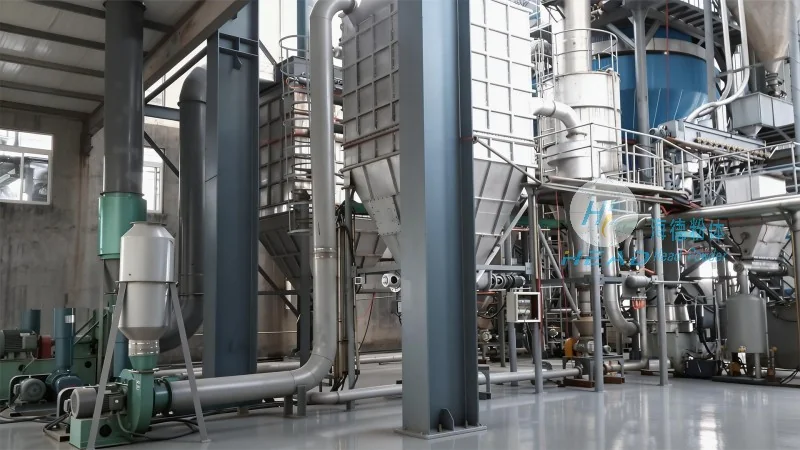
Understanding the Core Components of a Pneumatic Conveying System
A pneumatic conveying system for calcium oxide typically consists of several essential components, each playing a vital role in the material transport process. The primary components include the material feed system, conveying line, air source, and control mechanisms. The feed system, such as a rotary valve or screw feeder, ensures consistent material intake, while the conveying line (usually made of stainless steel or other corrosion-resistant materials) transports the material from the source to the destination. The air source, often an air compressor, provides the necessary pressure to move the material through the system. Proper integration of these components is critical to achieving optimal performance.
Choosing the Right System Type: Positive Pressure vs. Negative Pressure
The first step in designing a calcium oxide pneumatic conveying system is determining the appropriate system type. There are two main categories: positive pressure and negative pressure systems. Positive pressure systems use an air compressor to generate pressure and push the material through the line, making them suitable for long-distance or high-capacity applications. Negative pressure systems, on the other hand, use a vacuum to draw material into the system, which is ideal for short-distance or low-capacity needs. The choice between these systems depends on factors such as the distance between the source and destination, the material's characteristics (e.g., dustiness, abrasiveness), and the desired flow rate. At Shandong HeadPowder Engineering Co., Ltd., our engineers conduct thorough assessments to recommend the most suitable system type based on specific project requirements.
Equipment Selection: Ensuring Compatibility with Calcium Oxide Properties
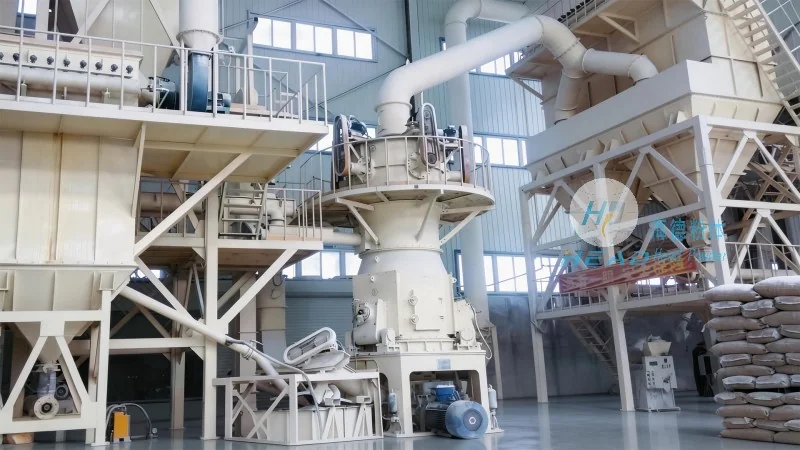
Equipment selection is a critical aspect of system design, as calcium oxide is a reactive and abrasive material. The feed equipment, such as a rotary valve or screw feeder, must be designed to handle the material's flow characteristics without causing blockages or degradation. For example, a rotary valve with a larger opening or a screw feeder with a higher torque rating may be necessary to prevent material buildup. The conveying line must be constructed from materials that resist corrosion and wear, such as stainless steel or PTFE-coated pipes. Additionally, the air compressor must be capable of delivering the required pressure and flow rate while maintaining energy efficiency. Our team at Shandong HeadPowder Engineering Co., Ltd. specializes in selecting equipment that matches the unique properties of calcium oxide, ensuring long-term system reliability.
Pipeline Design: Optimizing Flow and Minimizing Pressure Loss
Pipeline design is another key factor in system performance. The diameter of the conveying line is determined by the material's flow rate and the system's pressure. Larger diameters reduce pressure loss and improve flow, but they also increase cost and space requirements. The length and layout of the pipeline, including the number and type of bends, also impact system efficiency. Sharp bends can cause material to settle or damage the equipment, so using gradual bends or using bend compensators is recommended. The pipeline must also be properly supported to prevent sagging, which can lead to material accumulation and blockages. At Shandong HeadPowder Engineering Co., Ltd., we use advanced computational fluid dynamics (CFD) simulations to optimize pipeline design, ensuring minimal pressure loss and efficient material transport.
Air Source Selection: Balancing Pressure and Energy Efficiency
The air source, typically an air compressor, is responsible for providing the necessary pressure to move calcium oxide through the system. The choice of compressor depends on the system's pressure requirements and the desired flow rate. Centrifugal compressors are commonly used for high-volume applications due to their efficiency and low maintenance costs, while positive displacement compressors are suitable for lower flow rates. The air source must also be equipped with proper filtration and drying systems to remove moisture and contaminants, which can affect the material's quality and system performance. Our engineers at Shandong HeadPowder Engineering Co., Ltd. evaluate various air source options to ensure optimal performance and energy efficiency.

Safety Measures: Mitigating Risks in Calcium Oxide Conveying
Handling calcium oxide requires strict adherence to safety protocols due to its reactivity and potential health hazards. Pneumatic conveying systems must include safety features such as explosion-proof air compressors, dust collection systems, and emergency shut-off valves. The system should also be designed to prevent dust accumulation, as calcium oxide dust can be a fire hazard. Regular maintenance and inspections are essential to ensure the system operates safely and efficiently. At Shandong HeadPowder Engineering Co., Ltd., we prioritize safety in all our system designs, incorporating industry best practices to minimize risks and protect personnel and equipment.
System Integration and Maintenance: Ensuring Long-Term Performance
Integrating the pneumatic conveying system with existing infrastructure is a critical step in the design process. The system must be compatible with the plant's layout, electrical systems, and material handling processes. Proper integration ensures smooth operation and minimal disruptions. Regular maintenance is also essential to maintain system performance and extend equipment life. This includes cleaning the conveying line, replacing worn parts, and checking for leaks or pressure drops. Our team at Shandong HeadPowder Engineering Co., Ltd. provides comprehensive maintenance services and support to ensure our clients' systems operate at peak performance for years to come.
By following these guidelines and leveraging the expertise of Shandong HeadPowder Engineering Co., Ltd., you can design a reliable and efficient calcium oxide pneumatic conveying system that meets your specific needs. Whether you are looking to improve material transport efficiency, reduce costs, or enhance safety, a well-designed system is the key to success. Contact our team today to learn more about our customized solutions and how we can help you achieve your operational goals.