

How to Design a Reasonable Polyethylene Pneumatic Conveying System Plan
When it comes to handling polyethylene materials efficiently and safely, the design of a pneumatic conveying system plays a crucial role. A well-designed system not only ensures optimal material transport but also minimizes operational costs and maintenance requirements. This article will explore key considerations and steps involved in creating a reasonable polyethylene pneumatic conveying system plan, with insights from industry experts at Shandong HeadPowder Engineering Co., Ltd., a leading provider in the field.
Understanding the Core Principles of Polyethylene Pneumatic Conveying
Polyethylene, known for its lightweight and flexible properties, presents unique challenges during material handling. Unlike bulkier materials, polyethylene can be prone to static electricity and requires careful handling to prevent material degradation or blockages. A pneumatic conveying system uses air or other gases to transport polyethylene particles through a network of pipes, making it an ideal solution for industries such as plastics manufacturing, packaging, and chemical processing.
Key Factors to Consider in System Design
The success of a polyethylene pneumatic conveying system depends on several critical factors. First, the type of conveying system—whether it’s a pressure or vacuum system—must be selected based on the material characteristics and the distance it needs to travel. Pressure systems are generally more suitable for long-distance transport and can handle higher material loads, while vacuum systems are better for short distances and lighter loads. The choice of system directly impacts the overall efficiency and cost-effectiveness of the operation.
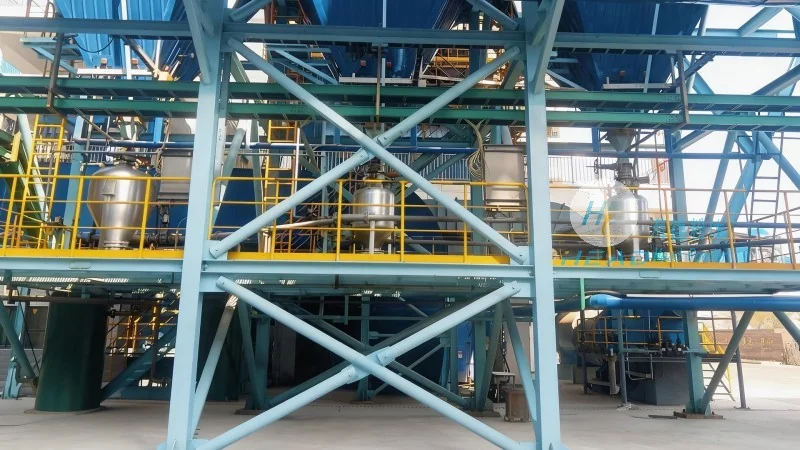
Second, the design of the pipeline network is paramount. The diameter and length of the pipes must be carefully calculated to ensure that the air velocity remains within optimal ranges. Insufficient air velocity can lead to material settling or blockages, while excessive velocity may cause wear and tear on the system components. Additionally, the use of appropriate fittings, such as elbows and tees, is essential to maintain consistent air flow and prevent pressure drops. Shandong HeadPowder Engineering Co., Ltd. emphasizes the importance of using high-quality materials for pipes and fittings to ensure durability and longevity.
Selection of Air Source and Compressor
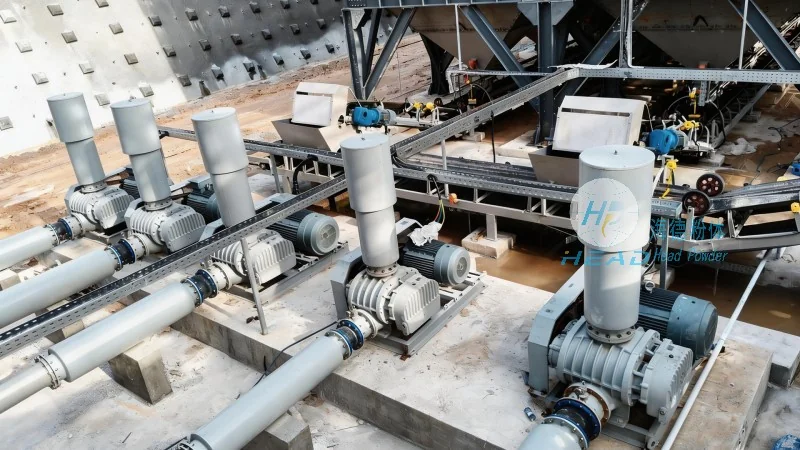
The air source, typically a compressor, is another critical component of the system. The type of compressor—whether it’s a rotary screw, reciprocating, or centrifugal—will affect the system’s performance and energy consumption. For polyethylene applications, a rotary screw compressor is often preferred due to its efficiency and ability to handle high volumes of air. The compressor must be sized appropriately to meet the system’s air demand while maintaining stable pressure levels. Proper maintenance of the compressor is also vital to prevent breakdowns and ensure continuous operation.
Material Handling and Dosing Equipment
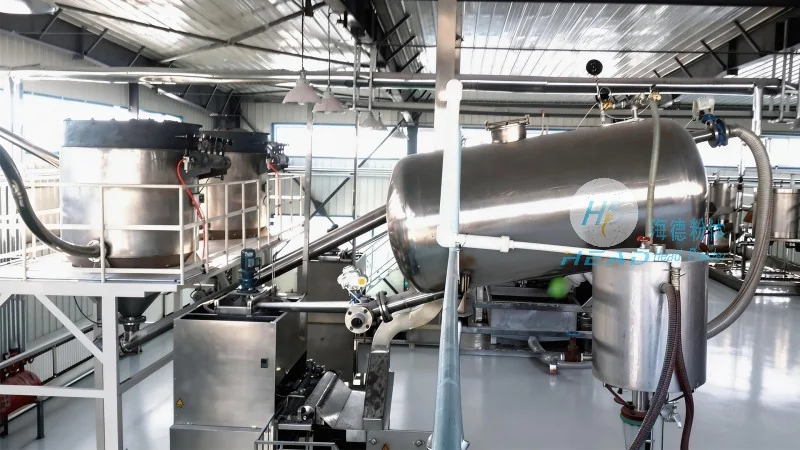
Effective material handling begins with the dosing equipment. The hopper or feeder used to introduce polyethylene into the system must be designed to prevent material bridging or segregation. For polyethylene, which can be prone to static, anti-static measures such as grounding and using conductive materials are essential to avoid static buildup that could lead to sparks or material sticking. The dosing rate must be controlled to match the system’s capacity and prevent overloading the pipeline. Shandong HeadPowder Engineering Co., Ltd. offers specialized dosing equipment tailored to polyethylene properties, ensuring smooth and consistent material feed.
System Integration and Control
Integrating the various components of the pneumatic conveying system into a cohesive unit requires careful planning. The control system, which manages the flow of air and material, must be user-friendly and capable of monitoring key parameters such as pressure, flow rate, and material level. Automated controls can enhance efficiency and reduce the risk of human error. Additionally, the system should include safety features such as pressure relief valves and emergency shut-off mechanisms to protect both personnel and equipment. Shandong HeadPowder Engineering Co., Ltd. provides comprehensive system integration services, ensuring that all components work in harmony to achieve optimal performance.
Maintenance and Troubleshooting
Regular maintenance is crucial to keep a polyethylene pneumatic conveying system operating at peak efficiency. This includes cleaning the pipes and filters to prevent material buildup, inspecting the compressor and other components for wear and tear, and checking the air filter for clogs. Common issues such as blockages or pressure drops can often be resolved by adjusting the system settings or cleaning the equipment. Shandong HeadPowder Engineering Co., Ltd. offers maintenance services and technical support to help clients address any issues that may arise, ensuring the longevity and reliability of the system.
Conclusion
Designing a reasonable polyethylene pneumatic conveying system involves a comprehensive approach that considers material properties, system components, and operational requirements. By following best practices and leveraging the expertise of companies like Shandong HeadPowder Engineering Co., Ltd., industries can achieve efficient, cost-effective, and safe material handling solutions. Whether for short or long-distance transport, a well-designed system can significantly improve productivity and reduce downtime, making it a worthwhile investment for any polyethylene processing operation.