

How to Design a Reasonable Organic Fertilizer Pneumatic Conveying System Plan?
HeadPowder, a leading engineering company based in Shandong, China, specializes in the design and implementation of efficient organic fertilizer pneumatic conveying systems. With a deep understanding of the unique challenges associated with handling organic fertilizers, such as varying particle sizes, moisture content, and potential contaminants, the company provides tailored solutions that ensure reliable, cost-effective, and environmentally friendly material transport.
Key Considerations in Designing Organic Fertilizer Pneumatic Conveying Systems
Designing a pneumatic conveying system for organic fertilizers requires careful consideration of several critical factors to ensure optimal performance and longevity. The first step is to assess the physical properties of the fertilizer, including particle size distribution, bulk density, and moisture content. These characteristics directly impact the system's capacity and the type of conveying technology best suited for the application. For instance, materials with larger particles may necessitate higher air velocities or specialized feeding mechanisms to prevent blockages and maintain consistent flow.
Choosing the Right Conveying Method: Positive vs. Negative Pressure Systems
Organic fertilizer pneumatic conveying systems can be categorized into two primary types: positive pressure and negative pressure systems. Positive pressure systems, which use a blower to force air and material through the pipeline, are ideal for short to medium-distance transport and high material concentrations. They are commonly used in scenarios where the fertilizer is stored in close proximity to the processing plant. Conversely, negative pressure systems, which employ a vacuum pump to draw material into the pipeline, are better suited for long-distance transport or applications where the material needs to be collected from multiple sources. The choice between these systems depends on factors such as the required transport distance, the volume of material to be moved, and the need for dust control or environmental compliance.
System Components and Their Roles

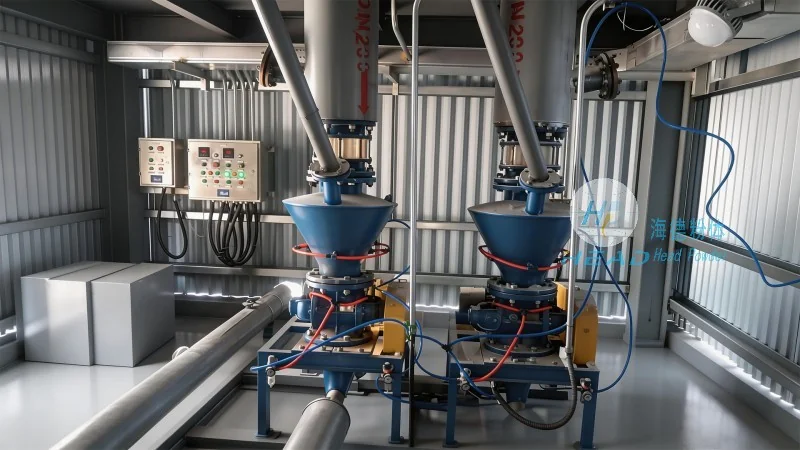
A typical organic fertilizer pneumatic conveying system consists of several key components, each playing a vital role in the overall operation. The feeding equipment, such as a screw conveyor or a vibrating feeder, ensures a consistent and controlled flow of material into the system. This is crucial for preventing surges or blockages that could disrupt the entire process. The air source, whether a centrifugal blower for positive pressure or a vacuum pump for negative pressure, provides the necessary pressure or vacuum to move the material through the pipeline. The conveying pipeline, often made of stainless steel or other corrosion-resistant materials, must be designed to withstand the abrasive nature of organic fertilizers and maintain air-tight integrity to prevent material loss or contamination. At the receiving end, separation equipment like cyclone separators or bag filters removes the fertilizer from the air stream, ensuring that the material is delivered to the storage or processing area without dust or debris. Finally, the discharge equipment, such as a rotary valve or a silo, controls the release of the material, preventing backflow and maintaining system stability.
Optimizing System Efficiency and Cost-Effectiveness
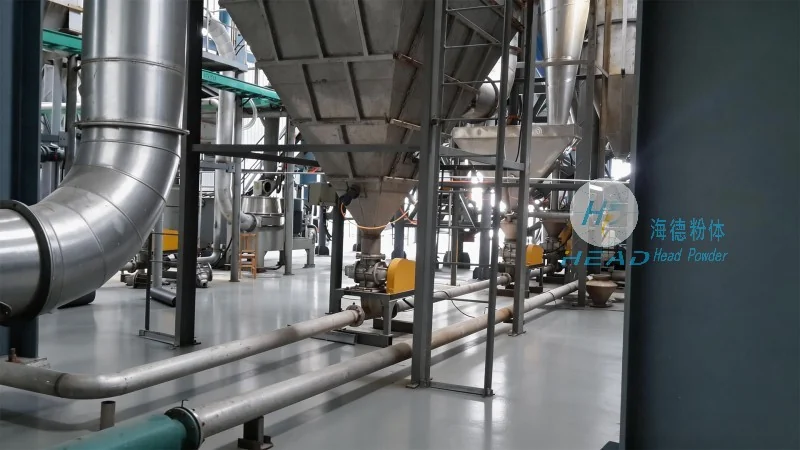
Efficient design of an organic fertilizer pneumatic conveying system goes beyond simply meeting the transport requirements; it also focuses on minimizing operational costs and maximizing energy efficiency. By carefully selecting the appropriate air velocity and system pressure, engineers can reduce energy consumption while maintaining the required material throughput. For example, using a lower air velocity in a positive pressure system may lower energy costs but could increase the risk of blockages if the material is prone to agglomeration. Conversely, a higher air velocity may improve flow but increase power consumption. HeadPowder employs advanced simulation tools and field testing to determine the optimal balance between these factors, ensuring that the system operates at peak efficiency. Additionally, the use of durable materials and regular maintenance schedules helps to extend the system's lifespan and reduce long-term maintenance costs.
Customized Solutions for Diverse Applications
Every organic fertilizer operation is unique, with varying production volumes, site layouts, and material characteristics. HeadPowder recognizes this and offers customized pneumatic conveying system solutions tailored to each client's specific needs. The company works closely with clients to conduct on-site assessments, analyze their material properties, and understand their operational goals. Based on this information, engineers develop a comprehensive system design that includes detailed schematics, component specifications, and performance projections. For instance, a client with a large-scale organic fertilizer plant requiring long-distance transport from multiple feed points might benefit from a hybrid system combining both positive and negative pressure components to optimize efficiency across different segments of the pipeline. HeadPowder's team of experienced engineers leverages decades of industry experience to provide solutions that not only meet current operational needs but also accommodate future expansion or changes in material handling requirements.
Conclusion: Ensuring Reliable and Sustainable Material Transport
Designing a reasonable organic fertilizer pneumatic conveying system is a complex process that requires a deep understanding of both the material being handled and the engineering principles governing pneumatic transport. By considering factors such as material properties, system type, component selection, and efficiency optimization, companies like HeadPowder can deliver systems that are not only effective but also cost-effective and environmentally sustainable. The result is a reliable material transport solution that supports the efficient operation of organic fertilizer production facilities while minimizing the environmental impact of the process. With its expertise and commitment to quality, Shandong HeadPowder Engineering Co., Ltd. continues to be a trusted partner in the design and implementation of advanced pneumatic conveying systems for the organic fertilizer industry.