

[Sand Pneumatic Conveying: An Efficient and Environmentally Friendly Material Handling Solution]
Sand pneumatic conveying systems represent a sophisticated approach to material handling, particularly for industries dealing with bulk solids like sand. This technology offers a reliable, efficient, and environmentally conscious method of transporting sand and similar materials from one location to another. By leveraging the principles of air movement, these systems eliminate the need for traditional mechanical conveyors, reducing operational costs and minimizing environmental impact.
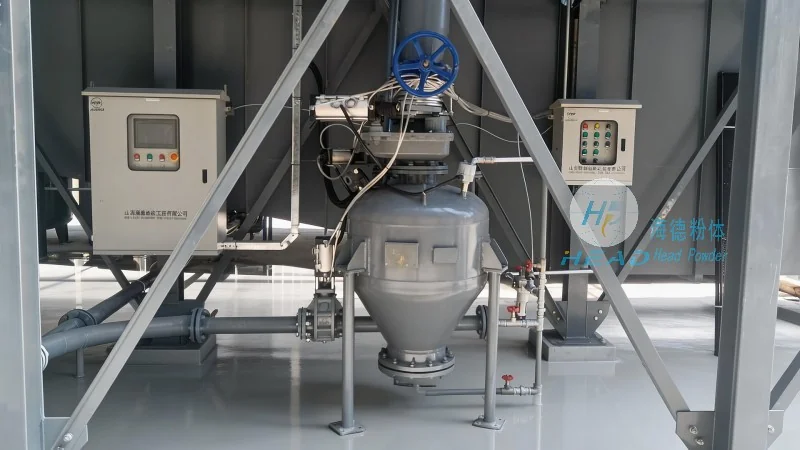
Key Advantages of Pneumatic Conveying for Sand
One of the primary benefits of using pneumatic conveying for sand is its efficiency in material transport. Unlike traditional methods that rely on gravity or mechanical force, pneumatic systems can handle vertical and horizontal distances with equal ease, making them versatile for various industrial applications. The process involves creating a pressure differential to move the sand through a pipeline using compressed air, which ensures a consistent flow rate and reduces the risk of material degradation or contamination.
Environmental sustainability is another critical advantage. Pneumatic conveying systems are designed to minimize dust emissions and noise pollution, contributing to a cleaner working environment. By enclosing the material transport process, these systems prevent dust from being released into the atmosphere, which is a significant concern in traditional sand handling operations. This not only improves air quality but also complies with stringent environmental regulations, making it an attractive option for companies committed to sustainable practices.
How Pneumatic Conveying Works in Practical Applications
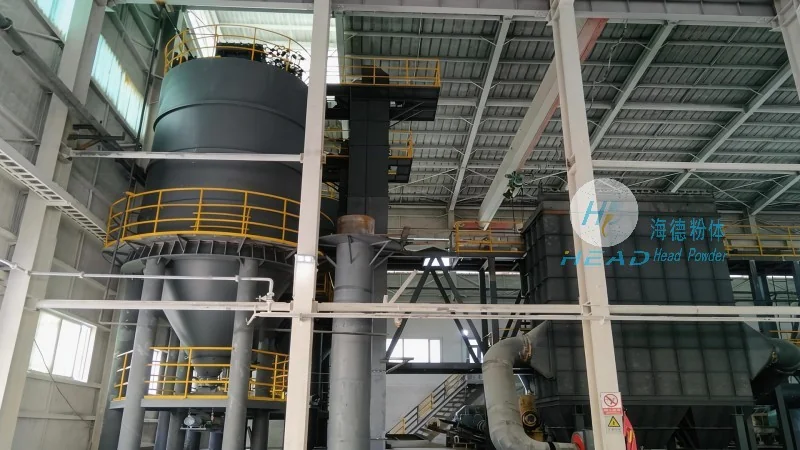
Understanding the operational mechanics of sand pneumatic conveying is essential for appreciating its effectiveness. The system typically consists of a hopper where sand is stored, a blower or compressor that generates the necessary air pressure, and a pipeline network that transports the sand to its destination. The sand is fed into the system, often with the assistance of a feeder, and is carried by the air flow through the pipeline. At the receiving end, the sand is separated from the air using a separator, and the air is either recirculated or vented, depending on the system design.
For sand applications, the choice of conveying type—whether dense phase or dilute phase—depends on the specific requirements of the operation. Dense phase conveying, which uses lower air velocities and higher pressure, is ideal for handling fine or abrasive materials like sand, as it reduces wear on equipment and minimizes particle breakage. This method ensures that the sand remains in a more solid state during transport, preserving its quality and reducing the need for additional processing steps.
Applications in the Construction and Manufacturing Industries
Sand pneumatic conveying is widely used in the construction industry, where it is essential for transporting sand to job sites, mixing plants, and concrete production facilities. The ability to transport sand over long distances without the need for extensive infrastructure makes it a preferred choice for large-scale construction projects. In manufacturing, particularly in the production of glass, ceramics, and other building materials, pneumatic conveying ensures a consistent supply of raw materials, improving production efficiency and reducing downtime.
Moreover, the flexibility of pneumatic systems allows for integration with existing production lines, adapting to varying production demands. This adaptability is crucial in industries where material volumes fluctuate, as the system can be adjusted to handle increased or decreased sand flow rates without significant modifications. The result is a more streamlined operation that enhances overall productivity and reduces operational costs.
HeadPowder Engineering: Your Partner in Efficient Sand Handling
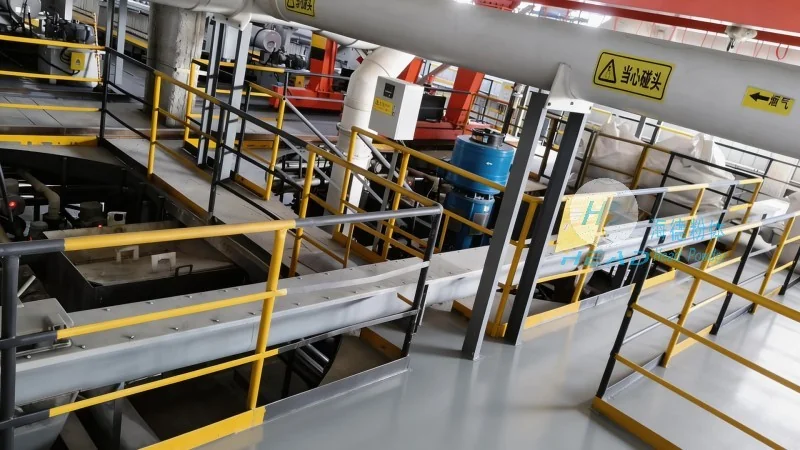
Shandong HeadPowder Engineering Co., Ltd. specializes in the design, manufacturing, and installation of advanced pneumatic conveying systems tailored to the needs of sand and other bulk material handling. With years of experience in the industry, HeadPowder has developed a reputation for delivering high-quality, reliable solutions that meet the stringent requirements of modern industrial applications. The company’s expertise lies in customizing systems to ensure optimal performance, energy efficiency, and environmental compliance.
HeadPowder’s team of engineers and technicians works closely with clients to understand their specific sand handling challenges and develop tailored solutions. Whether it’s a new construction project or an upgrade to an existing system, the company provides comprehensive support from initial consultation to final installation and maintenance. By leveraging the latest technology and materials, HeadPowder ensures that its pneumatic conveying systems are durable, low-maintenance, and capable of withstanding the demands of heavy-duty sand transport.
Located in Shandong, China, HeadPowder Engineering is strategically positioned to serve a wide range of industries across the region and beyond. The company’s commitment to quality and customer satisfaction has earned it a strong reputation among clients who rely on its expertise to enhance their material handling processes. With a focus on innovation and sustainability, HeadPowder continues to lead the way in providing efficient and environmentally friendly solutions for sand pneumatic conveying.