

White Clay Pneumatic Conveying: An Efficient and Environmentally Friendly Material Handling Solution
White clay, a vital raw material in industries like papermaking, ceramics, and pharmaceuticals, demands reliable and efficient transportation to preserve product quality and operational efficiency. Pneumatic conveying, especially for white clay, offers a sophisticated solution that merges high performance with environmental sustainability. This article examines the benefits and applications of white clay pneumatic conveying systems, illustrating how they enhance modern industrial processes.
Understanding Pneumatic Conveying for White Clay
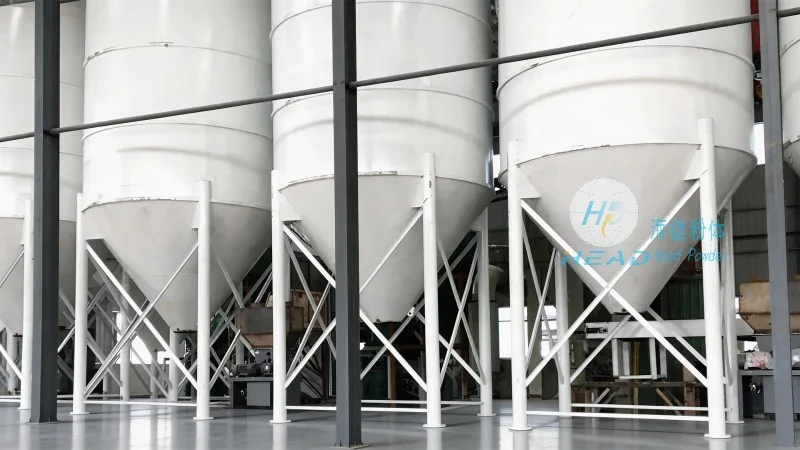
Pneumatic conveying systems employ air or gas to transport bulk materials such as white clay through a network of pipes. Unlike mechanical methods like belt or screw conveyors, these systems avoid physical contact between the material and equipment, reducing contamination—a critical factor for white clay used in applications requiring purity. The system typically includes a hopper, a blower or compressor, and a series of pipes directing material to its destination. By controlling air flow and pressure, operators can precisely regulate material speed and direction, ensuring consistent and controlled delivery.
The Advantages of White Clay Pneumatic Conveying
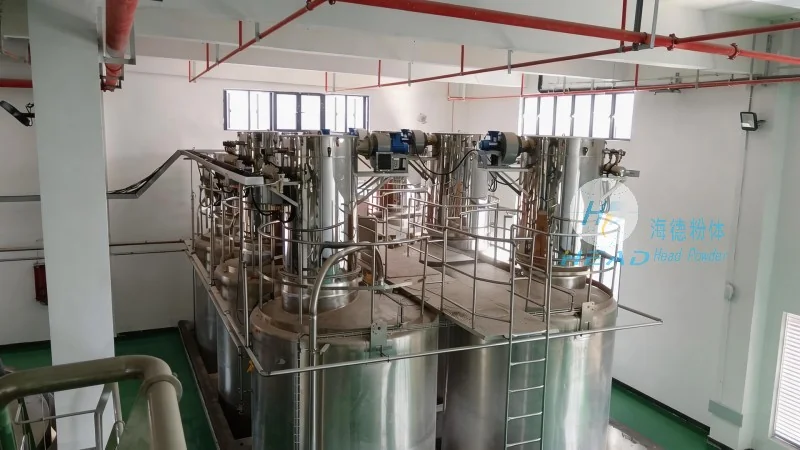
White clay pneumatic conveying systems deliver key benefits for industrial operations. Firstly, they offer high efficiency in material handling, transporting white clay over long distances with minimal energy use and rapid delivery. Secondly, these systems are flexible, easily integrating into existing production lines or expanding as business needs evolve. Thirdly, they are more environmentally friendly than traditional methods, eliminating dust suppression or cleaning processes associated with mechanical conveyors. This reduces operational costs and the environmental footprint. The enclosed design also prevents dust emissions, improving workplace safety and regulatory compliance.
Applications in Industrial Processes
White clay pneumatic conveying systems are widely used across industries due to their adaptability. In the paper industry, white clay serves as a filler/coating, and pneumatic systems ensure delivery without degradation or contamination, maintaining final product quality. In ceramics, precise control over moisture and particle size via pneumatic systems leads to consistent product quality. In pharmaceuticals, where white clay acts as an excipient/filler, the hygienic design ensures sterility and compliance with stringent regulations.
Key Considerations for Implementing White Clay Pneumatic Conveying
When implementing a white clay pneumatic conveying system, several factors are critical. Material properties—particle size, moisture content, bulk density—determine system design. For example, fine particles may need higher air velocity to prevent clogging, while larger particles benefit from lower velocity. System capacity and transport distance influence blower/compressor size and pipe diameter. Integration with existing infrastructure, including sealing and maintenance, is essential to avoid leaks and ensure consistent operation. Regular maintenance, such as pipe cleaning and blower checks, prevents downtime and maintains efficiency.
Conclusion
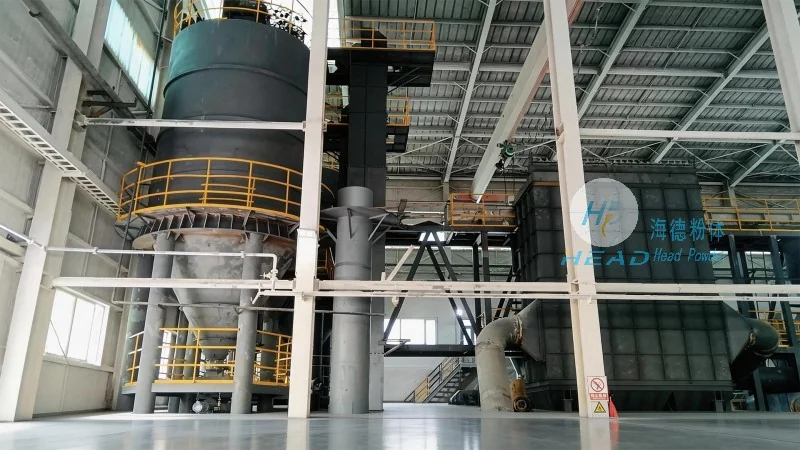
White clay pneumatic conveying represents a cutting-edge solution for efficient and sustainable material handling in various industries. By using air to transport bulk materials, these systems outperform traditional methods in contamination control, operational flexibility, and environmental impact. As industries prioritize efficiency and sustainability, the adoption of white clay pneumatic conveying systems is likely to grow, driving innovation in material handling. For businesses seeking to optimize white clay handling, partnering with Shandong HeadPowder Engineering Co., Ltd. (headpowder), based in China, provides expertise and reliable solutions for implementing effective pneumatic conveying systems.