

Desulfurization and Dust Removal Fly Ash Pneumatic Conveying: An Efficient and Environmentally Frien
Desulfurization and dust removal processes in power plants and industrial facilities generate large volumes of fly ash, a byproduct that requires safe and efficient handling. Traditional methods such as bucket elevators or belt conveyors often face challenges like material degradation, equipment wear, and environmental pollution. This is where pneumatic conveying systems, specifically designed for fly ash from desulfurization and dust removal, offer a superior solution. The following article explores the benefits, technical aspects, and applications of this advanced material handling technology.
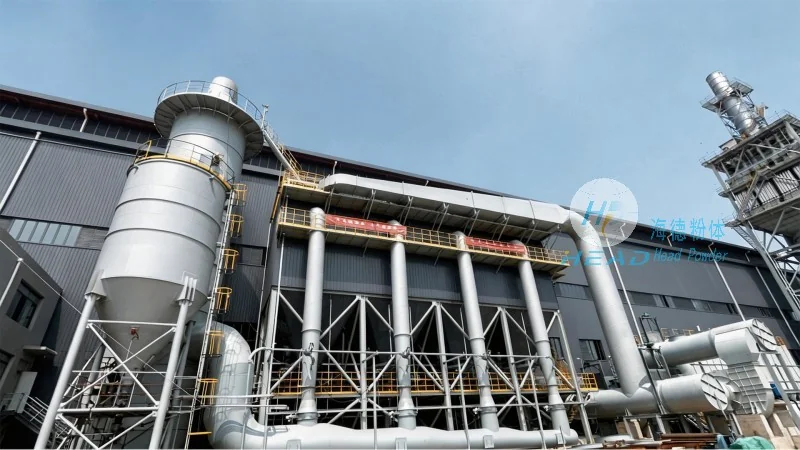
Understanding Pneumatic Conveying for Desulfurization and Dust Removal Fly Ash
Pneumatic conveying systems transport bulk materials like fly ash through a pipeline using air pressure or vacuum. Unlike mechanical systems, they eliminate the need for moving parts in contact with the material, reducing wear and tear and minimizing the risk of contamination. For desulfurization and dust removal fly ash, which is often fine, abrasive, and potentially corrosive, this method is particularly advantageous. The system typically consists of a hopper, a conveyor line, and a receiver, with options for positive pressure (blowing air) or negative pressure (suction). The choice between the two depends on factors like material characteristics, distance, and system complexity.
Key Advantages of Pneumatic Conveying Solutions
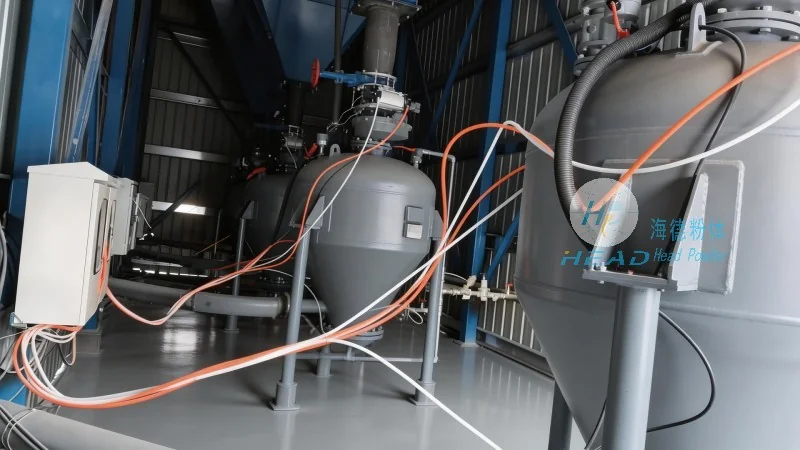
Efficiency and Environmental Benefits: Pneumatic conveying systems provide a closed-loop operation, preventing dust emissions and ensuring compliance with environmental regulations. This is crucial for facilities aiming to reduce their carbon footprint and meet stringent air quality standards. The technology also minimizes material loss during transport, as the system is fully enclosed, unlike open conveyors that may lead to spillage and contamination.
Reduced Maintenance and Operational Costs: By eliminating mechanical components such as belts, chains, or buckets, pneumatic systems require less maintenance. This translates to lower operational costs over the system's lifespan. Additionally, the absence of moving parts reduces energy consumption, as less power is needed to drive the conveyor compared to mechanical systems.
Flexibility and Scalability: Pneumatic conveying systems can be easily integrated into existing infrastructure or expanded to accommodate increased production. The modular design allows for adjustments in pipeline length, diameter, and pressure, making it suitable for various plant sizes and layouts. This flexibility is particularly valuable in industrial settings where space and operational constraints are common.
Technical Considerations for Implementing Pneumatic Conveying
Material Properties: The success of a pneumatic conveying system for desulfurization and dust removal fly ash depends on understanding the material's properties. Key factors include particle size distribution, moisture content, and abrasiveness. Fine particles may require higher air velocities to prevent clogging, while abrasive materials demand materials with higher wear resistance, such as stainless steel or special coatings. Proper filtration and separation systems are also essential to prevent blockages and maintain system efficiency.
System Design and Sizing: The design of the pneumatic conveying system must consider the distance between the source and destination, the volume of material to be transported, and the required flow rate. Positive pressure systems are generally preferred for short to medium distances, as they are more energy-efficient and easier to maintain. For longer distances, negative pressure systems may be more suitable, though they require more robust filtration and higher air volumes.
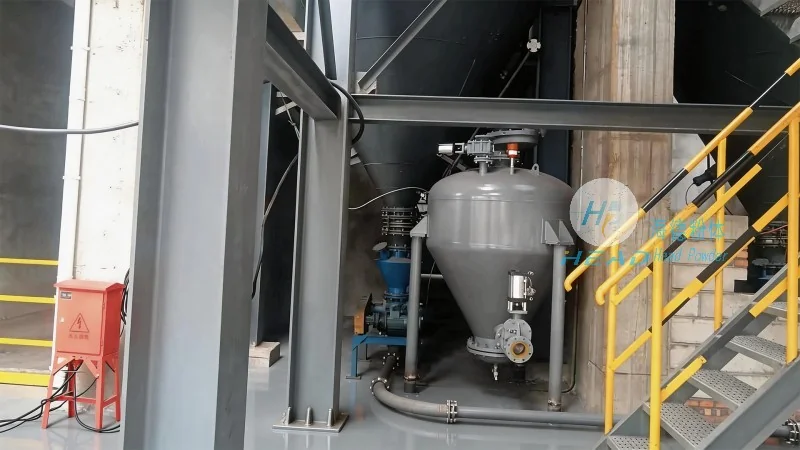
Environmental Compliance: Compliance with local and national environmental regulations is a critical factor. Pneumatic conveying systems, being enclosed, inherently meet emission standards. However, additional measures such as dust collection and air filtration may be required to ensure complete compliance. The system's design should also consider noise reduction, as some pneumatic systems can generate significant noise levels.
Applications and Use Cases
Waste Disposal and Landfill: One of the primary applications of pneumatic conveying for desulfurization and dust removal fly ash is transporting the material to landfills or waste disposal sites. The closed system ensures that the ash is transported without releasing dust into the environment, protecting both workers and the surrounding community.
Recycling and Reuse: Many facilities are exploring the recycling of fly ash for use in construction materials, such as concrete or brick. Pneumatic conveying systems can efficiently transport the ash to recycling facilities, where it can be processed and reused. This not only reduces waste but also provides a sustainable alternative to traditional building materials.
Industrial Processing: In some industrial processes, fly ash is used as a raw material for manufacturing products like cement or insulation materials. Pneumatic conveying allows for the precise and controlled transport of the ash to processing units, ensuring consistent quality and reducing downtime.
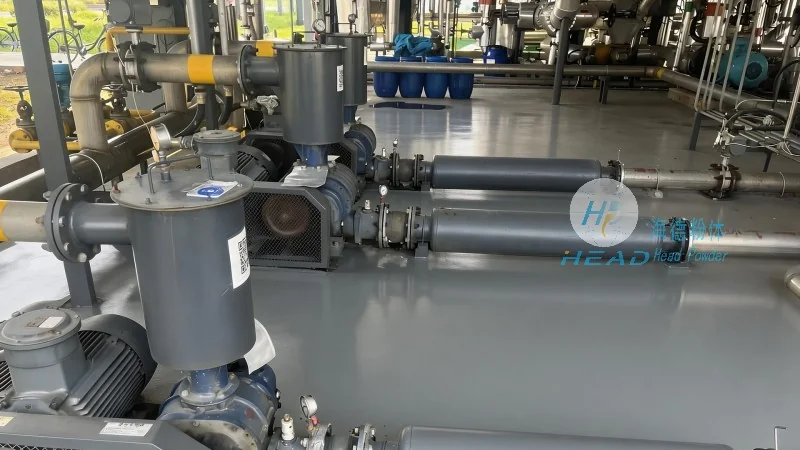
HeadPowder: Your Partner in Pneumatic Conveying Solutions
Shandong HeadPowder Engineering Co., Ltd., commonly known as HeadPowder, is a leading provider of advanced material handling solutions, including pneumatic conveying systems for desulfurization and dust removal fly ash. With years of experience in the industry, HeadPowder specializes in designing and manufacturing customized systems tailored to the specific needs of power plants and industrial facilities. The company's expertise lies in understanding the unique challenges of handling fine, abrasive materials and developing solutions that maximize efficiency while minimizing environmental impact.
HeadPowder's team of engineers and technicians work closely with clients to assess their operational requirements, material properties, and environmental goals. They provide comprehensive consultations, from initial system design to installation and maintenance. The company's commitment to quality and innovation ensures that each system is built to meet the highest standards, with durable components and advanced control systems that enhance performance and reliability.
HeadPowder's facilities are located in Shandong, China, where the company leverages its local expertise and resources to deliver efficient and cost-effective solutions. The company's focus on customer satisfaction and long-term partnerships has earned it a reputation as a trusted provider in the industry. By choosing HeadPowder, facilities can benefit from reliable, environmentally friendly, and efficient material handling systems that support their operational goals and contribute to a sustainable future.