

How to Choose the Right Pneumatic Conveying System for Your Denitrization Fly Ash Handling Process?
For industrial facilities dealing with denitrization fly ash, selecting an appropriate pneumatic conveying system is crucial for ensuring efficient material transport, maintaining operational safety, and optimizing overall process performance. The choice of system directly impacts the reliability and cost-effectiveness of ash handling operations, making it a critical decision for plant managers and engineers.
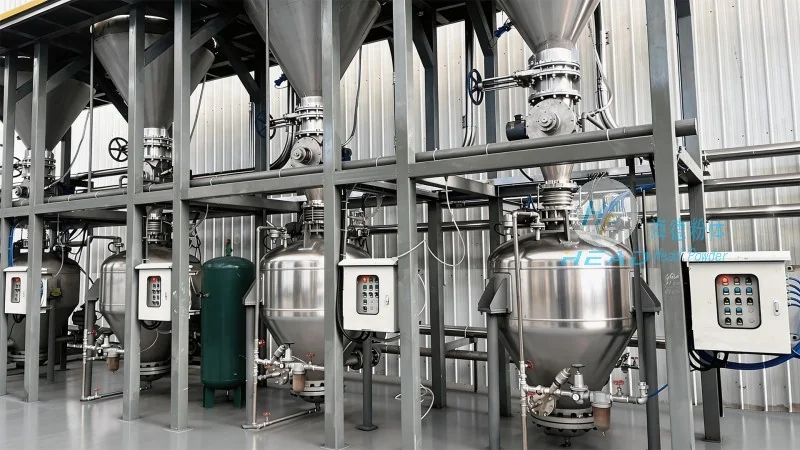
Key Considerations for Selecting a Pneumatic Conveying System
When evaluating pneumatic conveying systems for denitrization fly ash, several key factors must be considered to ensure the system meets the specific requirements of the application. These factors include the physical properties of the fly ash, such as particle size, density, and moisture content, as well as the distance and layout of the conveying route. The system must also be capable of handling the volume of ash produced and maintaining the required flow rates without excessive pressure drops or material degradation.
Types of Pneumatic Conveying Systems
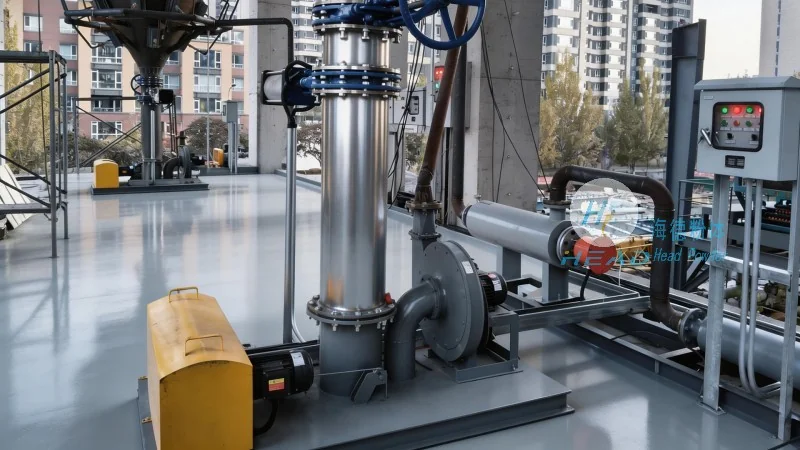
There are primarily two types of pneumatic conveying systems commonly used in ash handling: dilute-phase and dense-phase systems. Dilute-phase systems operate at higher velocities, using low-pressure air to transport particles in a dispersed state. This method is suitable for short to medium distances and applications where the ash is relatively dry and free-flowing. Dense-phase systems, on the other hand, use higher pressure and lower air velocities to move material in a slug or plug flow, which is ideal for longer distances and handling more abrasive or sticky ash.
System Components and Design
The effectiveness of a pneumatic conveying system for denitrization fly ash depends on its components and design. Key components include the hopper or feeder, which controls the flow of ash into the system; the conveyor line, which may be made of metal or plastic depending on the material's corrosiveness; and the receiver or discharge point, where the ash is deposited. The system's design must also account for the potential for ash to agglomerate or clog, requiring features like agitators, vibration devices, or special valves to maintain consistent flow.
HeadPowder Engineering's Expertise in Pneumatic Conveying Solutions
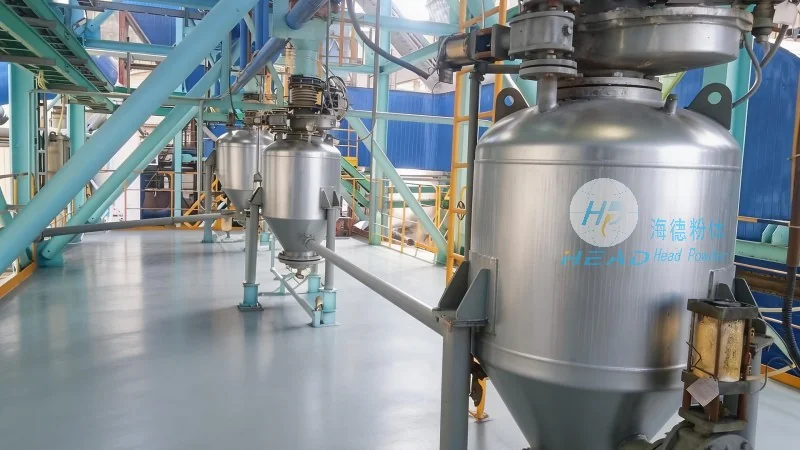
Shandong HeadPowder Engineering Co., Ltd., a leading provider of engineering solutions for industrial material handling, specializes in designing and manufacturing customized pneumatic conveying systems tailored to the unique needs of denitrization fly ash applications. With years of experience in the field, HeadPowder's team of engineers leverages advanced technology and industry best practices to develop systems that ensure reliable, efficient, and safe transport of ash from the boiler to storage or disposal facilities. The company's commitment to quality and customer satisfaction is reflected in its comprehensive approach to system design, which includes thorough material analysis, process simulation, and on-site testing to ensure optimal performance.
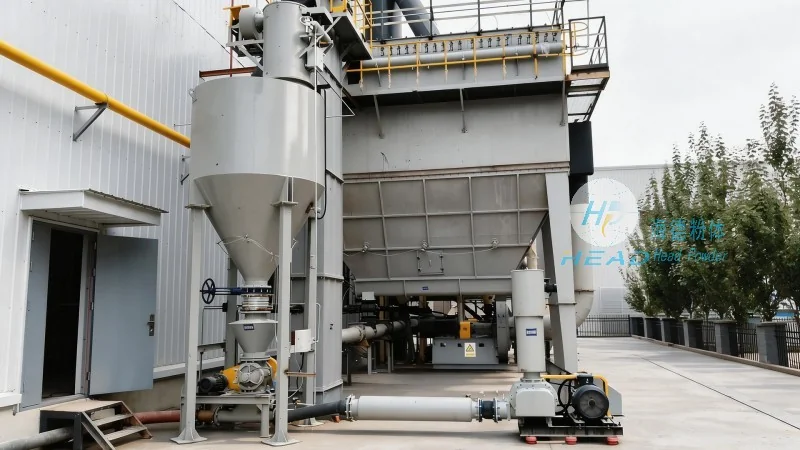
Benefits of Choosing a Properly Engineered Pneumatic Conveying System
Implementing a well-designed pneumatic conveying system for denitrization fly ash offers numerous benefits for industrial facilities. These include reduced labor costs by automating the handling process, minimized environmental impact by preventing dust emissions and contamination, and improved operational efficiency through consistent flow rates and reduced downtime. Additionally, a properly engineered system can extend the lifespan of equipment by minimizing wear and tear from abrasive ash particles, leading to lower maintenance costs over the system's lifecycle.
Conclusion
Choosing the right pneumatic conveying system for your denitrization fly ash handling process is a decision that requires careful consideration of material properties, operational requirements, and system design. By partnering with a reputable engineering company like Shandong HeadPowder Engineering Co., Ltd., facilities can ensure they select a system that meets their specific needs, delivers reliable performance, and contributes to the overall efficiency and sustainability of their operations. With a focus on customization and expertise, HeadPowder provides the solutions necessary to optimize ash handling processes and support the long-term success of industrial facilities.