

How to Choose the Right Pneumatic Conveying System for Your Gypsum Handling Process?
When it comes to managing the transportation of raw gypsum in industrial processes, selecting the appropriate pneumatic conveying system is crucial for efficiency, cost-effectiveness, and operational reliability. The right system can significantly impact production throughput, material handling costs, and overall process safety. This guide aims to help you navigate the key considerations and factors to evaluate when choosing a pneumatic conveying system tailored to your specific gypsum handling requirements.
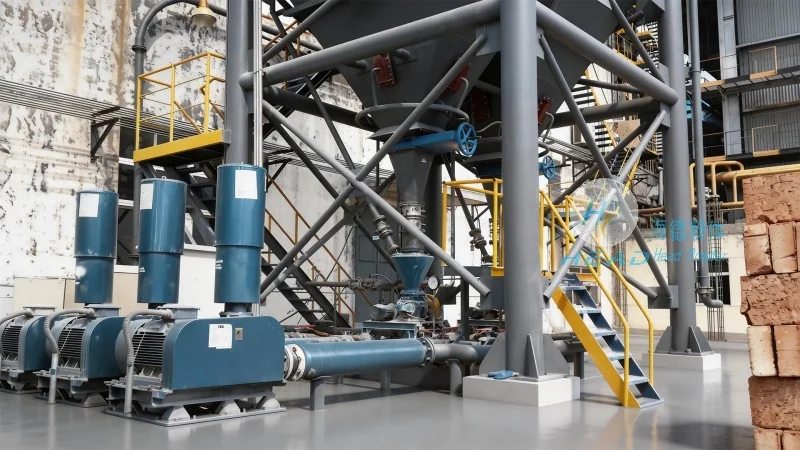
Understanding the Core Requirements of Gypsum Handling Processes
Before diving into system selection, it's essential to understand the fundamental characteristics of the raw gypsum material and the operational demands of your process. Gypsum, a calcium sulfate mineral, is commonly used in construction materials, agricultural applications, and industrial products. Its properties, such as particle size distribution, moisture content, and bulk density, directly influence the type of conveying system that will perform optimally. Additionally, factors like the distance of material transport, the volume of material to be moved, and the required speed of operation must be carefully assessed. These parameters will guide you toward the most suitable system configuration, whether it's a pressure or vacuum system, and the specific design elements like duct size, air velocity, and material feed mechanisms.
Key Factors to Consider When Selecting a Pneumatic Conveying System
Several critical factors must be evaluated when choosing a pneumatic conveying system for gypsum handling. The first consideration is the system pressure or vacuum level. Pressure systems use compressed air to push material through the conveying line, while vacuum systems use suction to draw material. The choice depends on the distance and elevation changes in the material transport path. For longer distances or significant vertical lifts, a pressure system is often more efficient, as it can maintain higher air velocities and reduce the risk of material settling in the duct. Conversely, vacuum systems are suitable for shorter distances or when the material needs to be conveyed from multiple points to a central collection point.
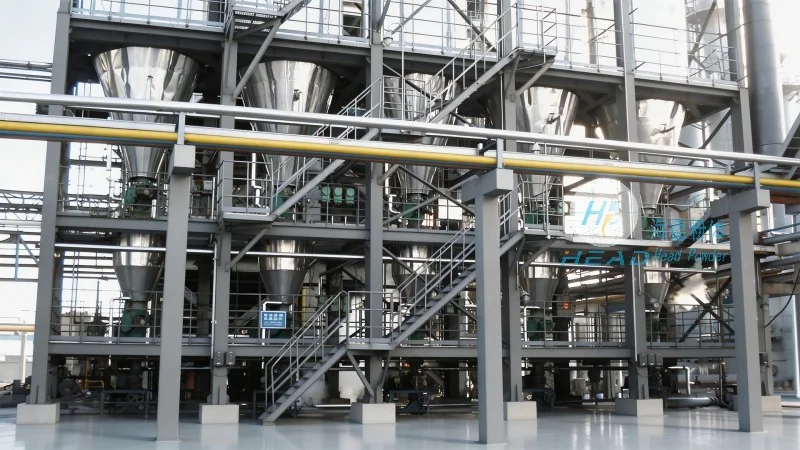
Another vital factor is the material feed method. Gypsum, being a dry, powdery material, requires proper feeding to prevent blockages and ensure consistent flow. Options include rotary valves, star feeders, or pressure vessels. The selected feed mechanism must match the material's flow characteristics and the system's pressure requirements. For example, a rotary valve is ideal for handling fine powders with moderate flow rates, while a pressure vessel can be used for larger batches or when the material has a tendency to clump. The feed system's design also impacts the overall system's efficiency and maintenance needs.
The Role of Material Properties in System Design
The physical and chemical properties of gypsum play a significant role in determining the optimal pneumatic conveying system design. Particle size and shape affect the material's flowability and the risk of clogging in the conveying ducts. Coarser particles may require larger duct diameters and higher air velocities to prevent settling, while fine powders can be more susceptible to static electricity, which may affect the system's performance and require anti-static measures. Moisture content is another critical factor, as gypsum can absorb moisture from the air, leading to clumping or increased friction in the system. A system designed to handle moist or sticky gypsum may need additional features like heating elements or humidification controls to maintain optimal material flow.
System Integration and Scalability for Gypsum Handling
When selecting a pneumatic conveying system, it's important to consider how it integrates with your existing infrastructure and future expansion plans. The system should be compatible with your current process equipment, such as crushers, classifiers, or storage silos. Additionally, the chosen system should allow for scalability, enabling you to expand the material handling capacity as your production needs grow. This may involve selecting components with higher capacity ratings or designing the system with modular components that can be easily added or modified. For instance, a system with a variable speed drive for the air compressor can adjust to changing material volumes, ensuring consistent performance without excessive energy consumption.
Maintenance and Operational Considerations
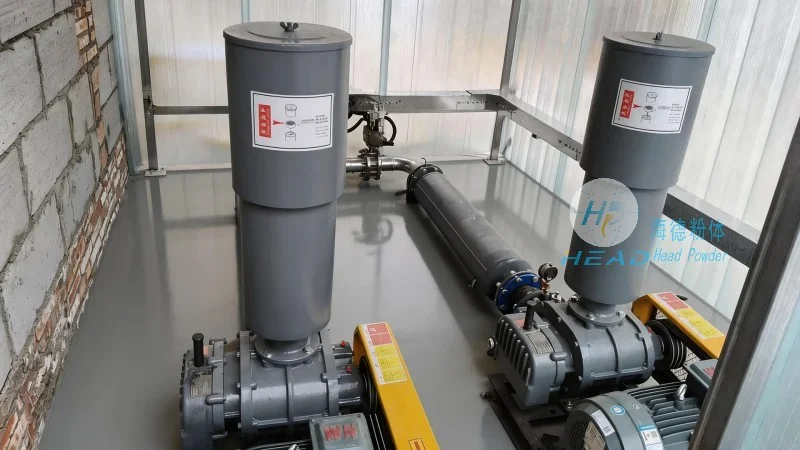
Maintenance requirements and operational costs are key factors in the long-term viability of a pneumatic conveying system. Systems with fewer moving parts, such as pressure systems using rotary valves, generally have lower maintenance needs compared to vacuum systems with complex suction mechanisms. However, all systems require regular cleaning of ducts and filters to prevent material buildup and maintain air quality. The choice of materials for the ductwork and components, such as stainless steel or plastic, also impacts maintenance, as they resist corrosion and wear from gypsum particles. Operational costs, including energy consumption and the cost of replacement parts, should be evaluated over the system's lifecycle to ensure it aligns with your budget and sustainability goals.
Conclusion: Partnering with a Specialized Engineering Firm
Choosing the right pneumatic conveying system for your raw gypsum handling process requires a thorough understanding of material properties, operational requirements, and system design principles. By carefully evaluating factors like pressure/vacuum type, feed mechanisms, and material handling characteristics, you can select a system that maximizes efficiency and minimizes operational challenges. For expert guidance and customized solutions, consider partnering with a specialized engineering firm like Shandong HeadPowder Engineering Co., Ltd., which specializes in designing and implementing pneumatic conveying systems tailored to the unique needs of gypsum handling applications. With their expertise, you can ensure your system meets your current production demands while being scalable for future growth.