Công ty TNHH Kỹ thuật Headpowder Sơn Đông chuyên vận chuyển khí nén bột và hạt. Nhờ thế mạnh hợp tác doanh nghiệp‑trường‑viện, chúng tôi cung cấp giải pháp vận chuyển kín, không bụi, độ chính xác cao.
When it comes to managing wood fiber in industrial settings, selecting the appropriate pneumatic conveying system is crucial for efficiency, cost-effectiveness, and operational reliability. As a leading provider in the field, Shandong HeadPowder Engineering Co., Ltd. specializes in custom solutions tailored to the unique demands of wood fiber processing. This guide outlines key factors to consider when choosing a pneumatic conveying system for your wood fiber handling operations.
Understanding Your Wood Fiber Process: The Foundation of System Selection

Before diving into system types, it's essential to understand the characteristics of your wood fiber material and the specific requirements of your process. Wood fiber can vary widely in terms of particle size, moisture content, bulk density, and flowability. These factors directly impact the choice of conveying method and system design. For instance, materials with high moisture content may require systems with better moisture control to prevent clumping or degradation. Similarly, varying particle sizes affect the system's capacity and the need for specialized equipment like cyclones or filters. By thoroughly analyzing your material properties and process flow, you can ensure the selected system meets both current and future operational needs.
Key Considerations for Pneumatic Conveying System Selection
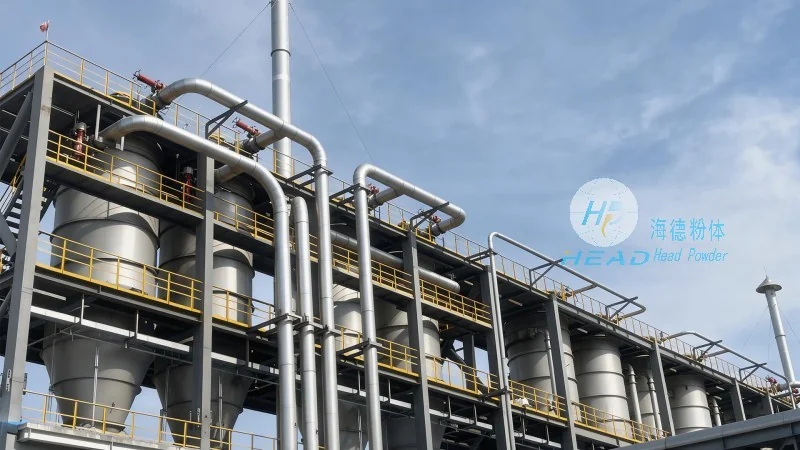
Several critical factors must be evaluated when selecting a pneumatic conveying system for wood fiber applications. The first is the system's capacity and throughput requirements. This depends on the volume of material to be moved and the desired production rate. A system that can handle high volumes efficiently without bottlenecks is essential for maintaining production flow. Next, the distance and layout of the conveying path are important. Horizontal, vertical, or a combination of both will influence the system's design, including the type of airlock, cyclone, and piping. The distance between the source and destination points also affects the system's pressure requirements and the need for booster fans or vacuum pumps. Additionally, the need for material handling flexibility, such as the ability to convey to multiple destinations or handle varying material types, should be considered. A flexible system can adapt to changes in production schedules or material composition, reducing downtime and maintenance costs.
Types of Pneumatic Conveying Systems for Wood Fiber
There are primarily two types of pneumatic conveying systems used in wood fiber applications: pressure and vacuum systems. Each has distinct advantages and is suitable for different scenarios. Pressure systems use compressed air to push material through the pipeline, making them ideal for conveying materials over longer distances or to multiple points. They are particularly effective for handling dry, free-flowing wood fiber and can maintain consistent flow rates. Vacuum systems, on the other hand, use suction to draw material into the system, which is often preferred for shorter distances or when material needs to be collected from multiple sources. Vacuum systems are also suitable for handling materials with higher moisture content or those that are more prone to dust generation. The choice between pressure and vacuum systems depends on factors like the conveying distance, material characteristics, and the number of collection points.
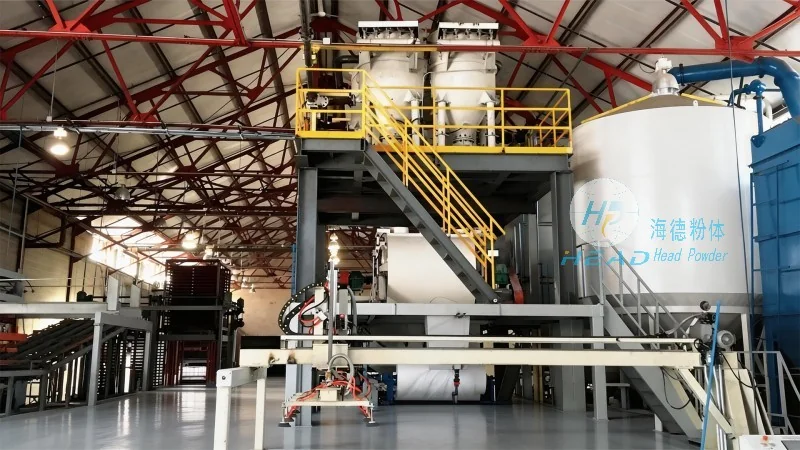
Material Handling Equipment: Ensuring System Efficiency and Reliability
Complementing the conveying system are essential components that ensure efficient material handling. Airlocks are critical for controlling the flow of material into the system, preventing backflow and maintaining consistent pressure. They are available in various designs, such as rotary or sliding, and are selected based on material properties and system requirements. Cyclones and filters are used to separate the conveyed material from the air stream, ensuring that the material reaches its destination without contamination and that the air is clean for re-use or exhaust. The design of these components, including their size and number, is tailored to the system's capacity and the material's characteristics. For example, larger cyclones are used for higher throughput, while smaller ones may be suitable for lower volumes. Properly sized and maintained equipment ensures the system operates efficiently, reduces downtime, and extends the lifespan of components.
Custom Solutions from Shandong HeadPowder Engineering Co., Ltd.
At Shandong HeadPowder Engineering Co., Ltd., we understand that every wood fiber processing operation is unique. Our team of experts works closely with clients to design custom pneumatic conveying systems that meet their specific needs. We consider all aspects of the process, from material characteristics to operational requirements, to develop a solution that is both effective and cost-efficient. Our custom systems are built to handle a wide range of wood fiber types, from sawdust to wood chips, and can be adapted to accommodate changes in production or material composition. We also provide comprehensive support, including installation, maintenance, and training, to ensure our clients get the most out of their investment. By choosing a custom solution from HeadPowder, you can be confident that your wood fiber handling process is optimized for efficiency and reliability.

 Shandong Headpowder Engineering Co., Ltd.
 156-6277-7102(Quản lý Trương)
  0531-83386006
  Thành phố Tế Nam, Tỉnh Sơn Đông, Trung Quốc
Điện thoại
WeChatTư vấn
Lên đầu