

What Are the Methods of Cotton Fiber Conveyance? An Introduction to HeadPowder's Cotton Fiber Pneumatic Conveying System
Efficient and reliable cotton fiber conveyance is a critical aspect of modern textile processing, ensuring smooth material handling from storage to production lines. Among the various methods available, pneumatic conveying systems have emerged as a preferred solution for many industries due to their versatility and effectiveness. This article explores the different approaches to cotton fiber conveyance and highlights the innovative solutions offered by Shandong HeadPowder Engineering Co., Ltd., commonly known as HeadPowder, a leading provider in the field.
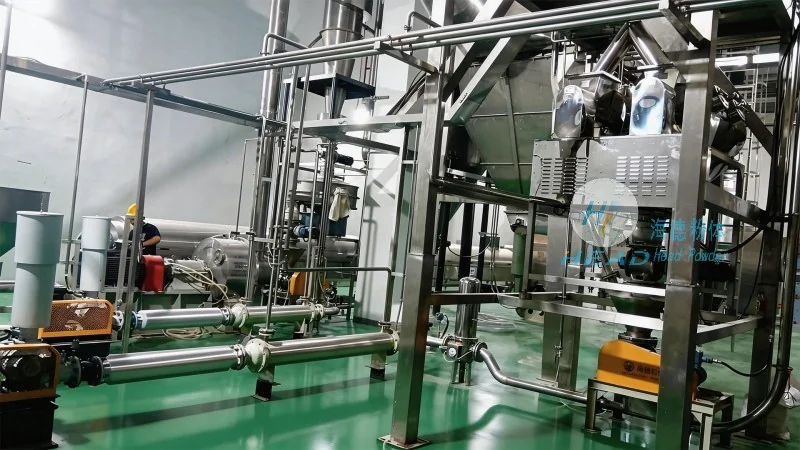
Understanding Cotton Fiber Conveyance Methods
Before delving into specific technologies, it's essential to understand the primary goals of cotton fiber conveyance: transporting raw cotton or processed fibers with minimal damage, maintaining consistent flow rates, and ensuring safety and efficiency. Traditional methods, such as mechanical conveyors or manual handling, often face challenges like material degradation, high labor costs, and limited scalability. These limitations have driven the development of advanced pneumatic systems that address these pain points effectively.
HeadPowder's Pneumatic Conveying System for Cotton Fibers
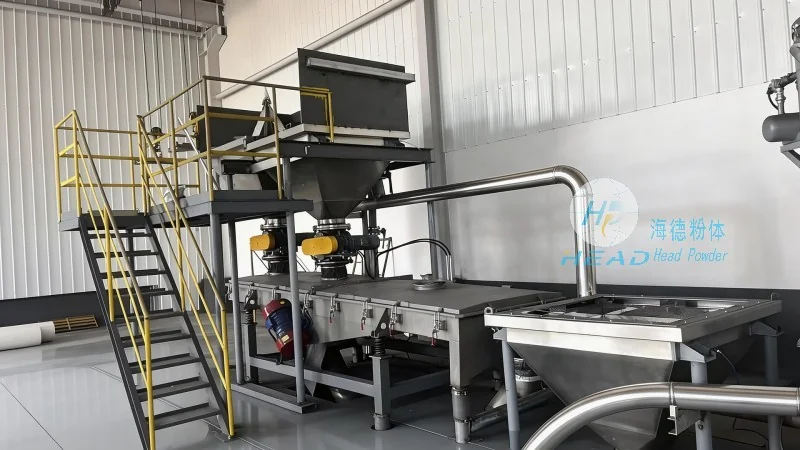
HeadPowder specializes in designing and manufacturing customized pneumatic conveying solutions tailored to the unique needs of cotton processing facilities. The company's approach combines cutting-edge technology with a deep understanding of the textile industry, resulting in systems that enhance productivity while reducing operational costs. A key feature of HeadPowder's system is its ability to handle a wide range of cotton fiber types, from raw bales to refined fibers, with precision and care.
The core technology behind HeadPowder's cotton fiber pneumatic conveying system is the use of air pressure to move materials through a network of pipes. This method, known as pneumatic conveying, offers several advantages over traditional mechanical methods. For instance, it minimizes material abrasion and breakage, which is crucial for maintaining fiber quality. Additionally, the system can handle both bulk and fine particles, making it suitable for various stages of cotton processing, including bale opening, cleaning, and blending.
Key Features and Benefits of the System
HeadPowder's cotton fiber pneumatic conveying system incorporates several key features that set it apart from competitors. One of the most notable is its modular design, which allows for easy installation and integration into existing production lines. The system can be customized to fit specific space constraints and throughput requirements, ensuring optimal performance for each client. Another advantage is the use of high-efficiency filters and dust collection systems, which maintain a clean and safe working environment by capturing airborne particles.
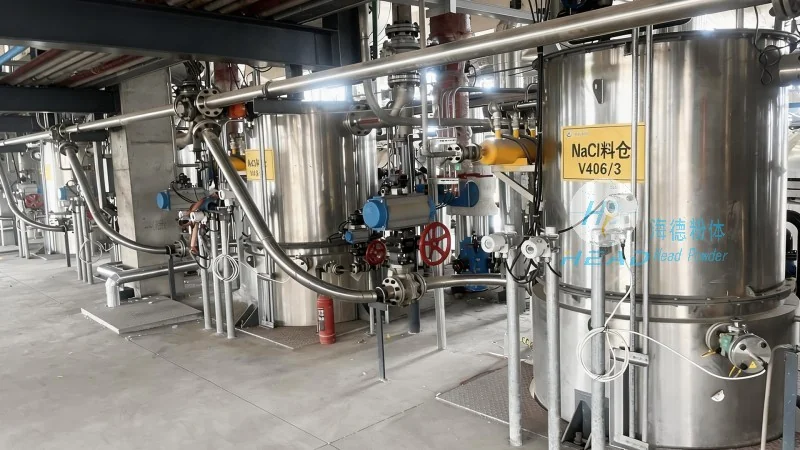
The system also employs advanced control mechanisms, such as variable frequency drives (VFDs), to regulate air flow and pressure. This allows for precise control over the conveying process, enabling operators to adjust flow rates based on real-time production demands. The result is improved energy efficiency and reduced operational costs, as the system only uses the necessary amount of air to move the fibers. Furthermore, the system's components are made from durable materials, such as stainless steel and high-quality plastics, ensuring long-term reliability and minimal maintenance requirements.
Application Examples and Industry Impact
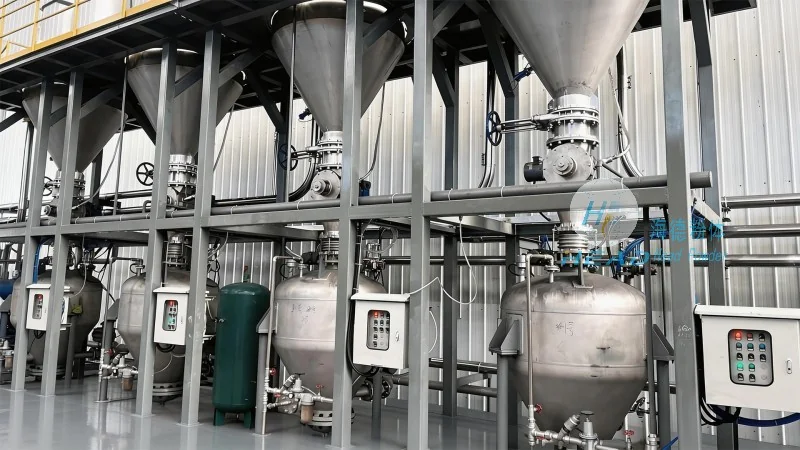
HeadPowder's pneumatic conveying systems have been successfully implemented in numerous cotton processing facilities across China and beyond. These applications range from small-scale textile mills to large-scale industrial plants, demonstrating the system's adaptability and effectiveness. For example, a client in Shandong Province, China, reported a 30% increase in production efficiency after installing HeadPowder's system, primarily due to reduced downtime and improved material flow. Another case study involved a facility that needed to upgrade its bale opening and fiber transport processes, and HeadPowder's solution provided a seamless transition with minimal disruption to operations.
The impact of HeadPowder's technology extends beyond individual facilities. By improving the efficiency of cotton fiber conveyance, the company contributes to the overall sustainability of the textile industry. The reduced energy consumption and lower maintenance costs not only benefit the client financially but also align with global efforts to minimize environmental impact. Additionally, the system's ability to handle fine fibers without damage ensures higher quality output, which is critical for meeting the demands of modern textile markets.
Conclusion and Future Outlook
In conclusion, the methods of cotton fiber conveyance have evolved significantly, with pneumatic systems becoming the preferred choice for many industries. HeadPowder's expertise in designing and implementing these systems provides a reliable solution for textile manufacturers seeking to enhance their operations. By combining advanced technology with a customer-centric approach, HeadPowder continues to set new standards in the field, helping clients achieve their production goals while maintaining high standards of quality and efficiency.