

Graphite Electrode Conveying Methods: An Introduction to HeadPowder's Pneumatic Conveying System for Graphite Electrodes
Graphite electrodes are essential components in electric arc furnaces, used in steelmaking and other high-temperature industrial processes. The efficient and safe transportation of these heavy and often fragile materials is critical to maintaining production efficiency and minimizing operational risks. Traditional methods like manual handling or mechanical conveyors may pose challenges due to the size, weight, and potential hazards associated with graphite electrodes. This article explores various conveying methods for graphite electrodes and focuses on the advanced pneumatic conveying system offered by Shandong HeadPowder Engineering Co., Ltd., commonly known as HeadPowder.
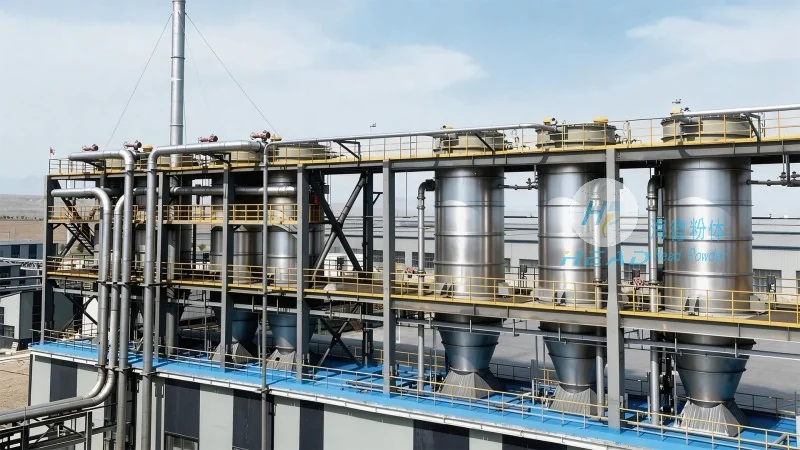
Understanding Graphite Electrode Conveying Challenges
Graphite electrodes come in various sizes, typically ranging from 400mm to 1000mm in diameter and weighing several tons. Their large dimensions and heavy weight make conventional handling methods cumbersome and unsafe. Manual lifting and moving can lead to worker injuries, while mechanical conveyors may struggle with the material's bulk and potential dust generation. Additionally, the need for precise positioning and minimal material degradation during transport requires specialized equipment. These challenges highlight the importance of selecting an appropriate conveying method that balances efficiency, safety, and cost-effectiveness.
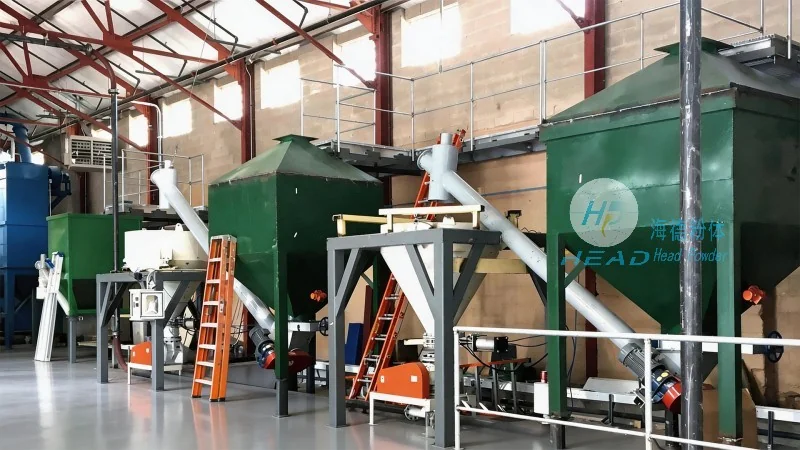
HeadPowder's Pneumatic Conveying System for Graphite Electrodes
HeadPowder, a leading manufacturer in the graphite industry, has developed a sophisticated pneumatic conveying system tailored to the unique requirements of graphite electrode transportation. The system utilizes compressed air to move graphite electrodes through a network of pipes, eliminating the need for heavy machinery or manual labor. This approach not only enhances safety by reducing human exposure to heavy loads but also improves operational efficiency by automating the transport process. The pneumatic system is designed to handle electrodes of different sizes and weights, ensuring flexibility for various industrial applications.
Key Features of the Pneumatic Conveying System
The pneumatic conveying system by HeadPowder incorporates several key features that set it apart from traditional methods. First, it uses a combination of positive and negative pressure to control the flow of graphite electrodes, allowing for precise and controlled movement. This technology minimizes material breakage and ensures the electrodes remain intact during transport. Second, the system is equipped with advanced control panels that monitor pressure, flow rate, and other critical parameters in real-time. Operators can adjust settings to optimize performance and adapt to changing production demands. Third, the equipment is constructed from high-quality materials resistant to corrosion and wear, ensuring long-term durability and low maintenance costs. These features collectively contribute to a reliable and efficient conveying solution for graphite electrodes.
Benefits of Implementing HeadPowder's Pneumatic Conveying System
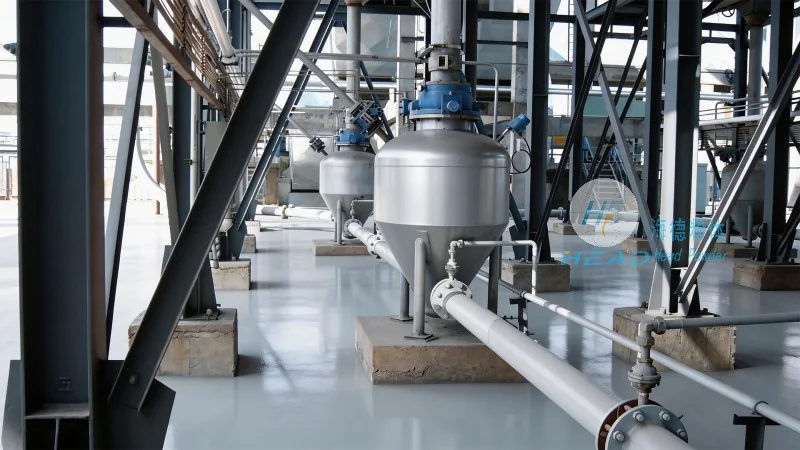
Adopting HeadPowder's pneumatic conveying system for graphite electrodes offers numerous benefits for industrial facilities. One of the primary advantages is enhanced safety. By automating the transport process, the system reduces the risk of worker injuries associated with manual handling of heavy electrodes. This not only improves workplace safety but also minimizes downtime caused by accidents or injuries. Another significant benefit is increased operational efficiency. The pneumatic system can transport multiple electrodes simultaneously, reducing the time required for material movement and allowing for smoother production workflows. Additionally, the system's ability to handle different electrode sizes and weights makes it versatile, accommodating various production needs without the need for additional equipment. Cost-effectiveness is also a key advantage, as the system reduces labor costs and maintenance expenses compared to traditional methods. Overall, the implementation of HeadPowder's pneumatic conveying system can lead to improved productivity, lower operational costs, and a safer working environment.
Conclusion
Graphite electrode conveying is a critical aspect of industrial operations, and selecting the right method is essential for maintaining efficiency and safety. HeadPowder's pneumatic conveying system provides a modern, efficient, and safe solution for transporting graphite electrodes. By leveraging advanced technology and tailored design, the system addresses the unique challenges associated with graphite electrode handling. With its key features and numerous benefits, this system is an excellent choice for industrial facilities seeking to optimize their material transport processes. As a leading company in the graphite industry, HeadPowder continues to innovate and provide solutions that meet the evolving needs of its customers. For more information about HeadPowder's pneumatic conveying system and other graphite electrode solutions, please contact us at our headquarters in Shandong, China.