

Polyvinylidene Chloride (PVF2) Conveying Methods: HeadPowder's Pneumatic Conveying Solutions
For industrial applications requiring the handling of Polyvinylidene Chloride (PVF2), selecting the appropriate conveying method is crucial for efficiency, safety, and material integrity. PVF2, also known as polyvinylidene fluoride, is a fluoropolymer with unique properties that demand specialized handling techniques. This article explores the various conveying methods available for PVF2 and highlights HeadPowder's expertise in providing effective pneumatic conveying solutions for this material.
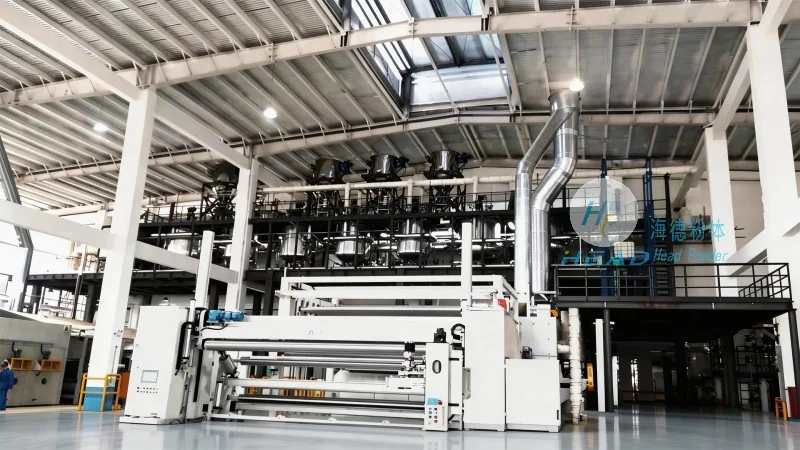
HeadPowder Engineering Co., Ltd.: Your Trusted Partner for PVF2 Handling
HeadPowder Engineering Co., Ltd., a leading provider of material handling solutions, is headquartered in Shandong, China. With a strong commitment to innovation and quality, the company specializes in developing and implementing advanced pneumatic conveying systems tailored to the specific needs of PVF2 processing. By leveraging years of experience in the industry, HeadPowder ensures that their solutions meet the highest standards of performance and reliability.
Polyvinylidene Chloride (PVF2) and Its Handling Challenges

PVF2 is a high-performance fluoropolymer known for its excellent chemical resistance, thermal stability, and dielectric properties. These attributes make it a preferred material in various industries, including electronics, chemical processing, and aerospace. However, its handling presents unique challenges due to its fine particle size, low bulk density, and tendency to generate static electricity. Conventional bulk material handling methods, such as belt conveyors or screw conveyors, may not be suitable for PVF2 due to the risk of material degradation, blockages, or contamination.
Advantages of Pneumatic Conveying for PVF2
Pneumatic conveying, particularly the positive pressure or negative pressure systems, offers several advantages for handling PVF2. One of the key benefits is the ability to transport fine powders over long distances without the need for mechanical components that could cause wear or contamination. The enclosed system also minimizes exposure to dust and prevents environmental contamination, which is critical for maintaining product purity. Additionally, pneumatic conveying systems can be designed to control the flow rate and pressure, ensuring consistent material transfer and reducing the risk of overloading or clogging.
HeadPowder's Pneumatic Conveying Solutions for PVF2
HeadPowder offers a range of pneumatic conveying solutions specifically designed for PVF2 applications. These systems are engineered to handle the unique properties of PVF2, including its fine particle size and low bulk density. The company's solutions typically include high-efficiency blowers, specialized ductwork, and control systems that optimize the conveying process. By using positive pressure systems, HeadPowder ensures that the material is transported in a controlled manner, minimizing the risk of material degradation and ensuring consistent product quality.
Key Features of HeadPowder's PVF2 Conveying Systems
HeadPowder's pneumatic conveying systems for PVF2 are equipped with several key features that enhance performance and reliability. These include:
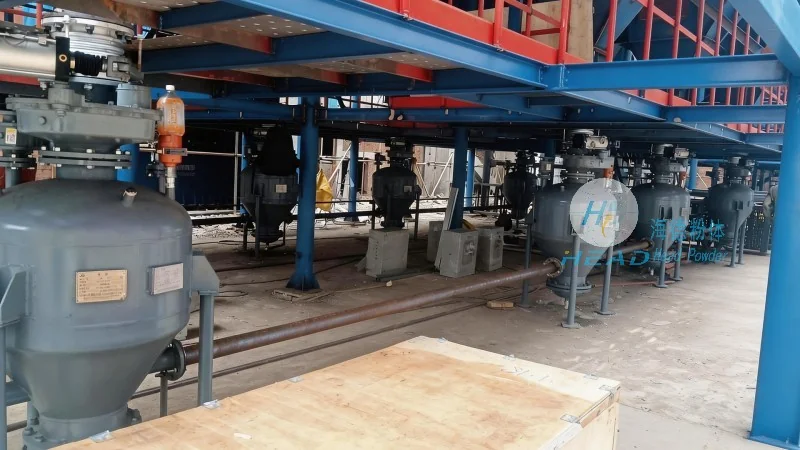
High-Performance Blowers: Equipped with advanced blowers that provide consistent pressure and flow rates, ensuring efficient material transport.
Specialized Ductwork: Ducts are designed with smooth interiors and appropriate diameters to minimize friction and prevent material buildup, reducing the risk of blockages.
Control Systems: Integrated control systems allow for real-time monitoring and adjustment of the conveying process, ensuring optimal performance and material integrity.
Static Elimination: Features such as grounding and ionization systems are incorporated to prevent static buildup, which is crucial for handling PVF2 to avoid sparks or material attraction to surfaces.
Applications of PVF2 Conveying Systems
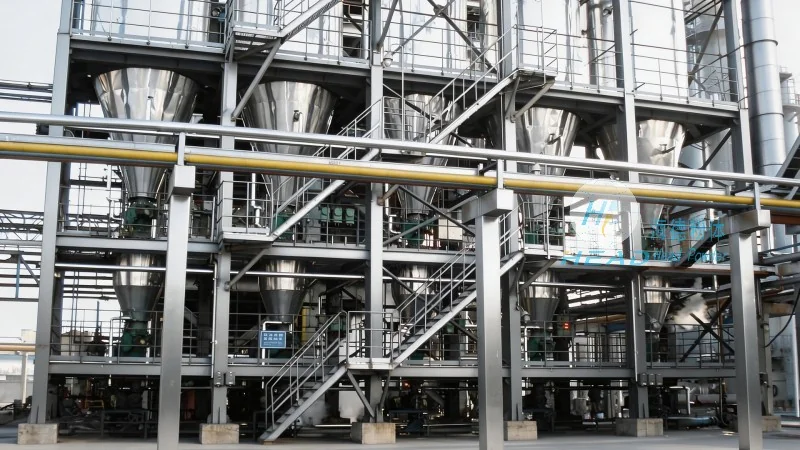
The pneumatic conveying solutions from HeadPowder are suitable for a wide range of applications involving PVF2. These include material transfer from storage silos to processing equipment, feeding of PVF2 into extrusion or molding machines, and handling of PVF2 in research and development laboratories. The systems are adaptable to various production scales, from small-scale laboratory applications to large-scale industrial operations.
Conclusion
Choosing the right conveying method for Polyvinylidene Chloride (PVF2) is essential for maintaining product quality and operational efficiency. HeadPowder Engineering Co., Ltd. provides advanced pneumatic conveying solutions that address the unique challenges of handling PVF2. By leveraging their expertise and innovative technology, HeadPowder ensures that PVF2 is transported safely and efficiently, meeting the demands of modern industrial applications. For businesses seeking reliable PVF2 handling solutions, HeadPowder is a trusted partner committed to delivering high-quality, customized systems.