

Common Iron Chip Conveying Methods: The Advantages of HeadPowder's Pneumatic Conveying System
When it comes to transporting iron chips, selecting the right conveying method is crucial for efficiency, cost-effectiveness, and operational safety. Various methods are employed in industrial settings, each with its own set of advantages and limitations. Understanding these options helps businesses choose the most suitable solution for their specific needs.

Traditional Conveying Methods and Their Limitations
Historically, iron chip handling relied on gravity-based systems, such as chutes and hoppers, which required careful design to ensure smooth flow. However, these methods often faced challenges like material buildup, blockages, and the need for regular maintenance. Mechanical conveyors, including belt and screw conveyors, offered more control but were prone to wear and tear, especially when dealing with abrasive iron chips. These traditional approaches could lead to increased downtime and higher operational costs over time.
Advancements in Pneumatic Conveying Technology
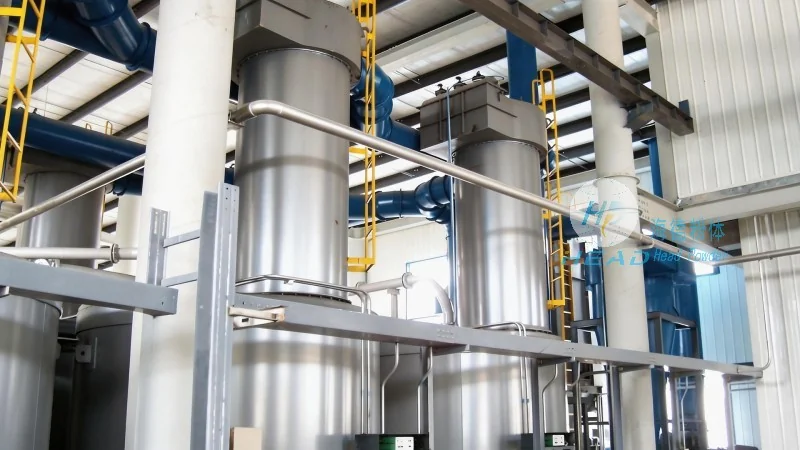
Pneumatic conveying has emerged as a modern solution for iron chip transport, leveraging air pressure to move materials through pipelines. This technology eliminates the need for mechanical components that are susceptible to wear, reducing maintenance requirements and extending equipment life. The key advantage lies in its ability to handle abrasive materials like iron chips without causing excessive wear on the system components.
HeadPowder's Pneumatic Conveying System: Key Features and Benefits
Shandong HeadPowder Engineering Co., Ltd. specializes in providing advanced pneumatic conveying systems tailored for iron chip applications. The system incorporates several innovative features that enhance performance and reliability. For instance, the use of high-efficiency airlocks ensures consistent material flow, preventing blockages and maintaining system integrity. The pipeline design is optimized for minimal pressure drop, which reduces energy consumption and operating costs. Additionally, the system is equipped with advanced control mechanisms that allow for real-time monitoring and adjustment, ensuring optimal operation under varying load conditions.
Customization and Scalability for Diverse Industrial Needs
HeadPowder understands that industrial requirements vary widely. Therefore, their pneumatic conveying systems are designed to be highly customizable. Whether a facility needs a small-scale system for a laboratory or a large-scale solution for a heavy manufacturing plant, the system can be scaled to meet specific throughput and space constraints. The company works closely with clients to assess their unique needs, providing tailored solutions that maximize efficiency and minimize downtime. This approach ensures that the conveying system integrates seamlessly with existing infrastructure, reducing installation complexity and costs.
Enhanced Safety and Environmental Compliance
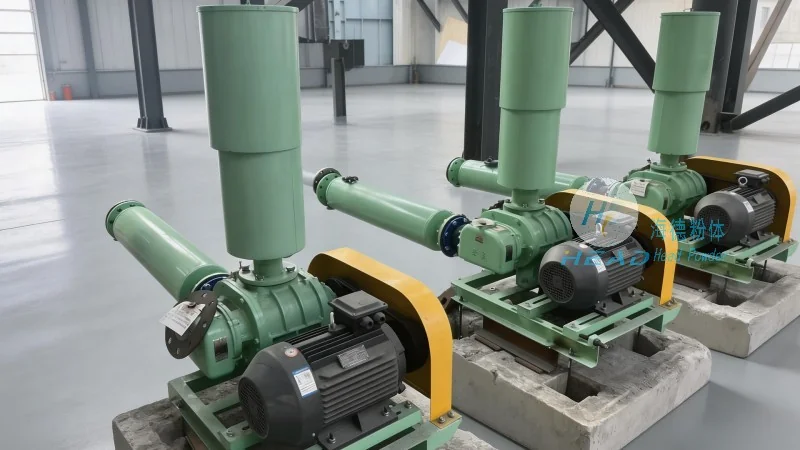
Iron chip handling involves potential safety hazards, such as dust generation and material handling risks. HeadPowder's pneumatic conveying system addresses these concerns through several safety features. The enclosed pipeline design minimizes dust exposure, reducing the risk of respiratory issues and environmental contamination. The system also incorporates pressure relief valves and other safety mechanisms to prevent over-pressurization and ensure safe operation. Furthermore, the use of energy-efficient components aligns with environmental regulations, making the system a sustainable choice for modern industrial operations.
Long-Term Cost Savings and Reliability
Investing in a high-quality pneumatic conveying system from HeadPowder offers significant long-term benefits. By reducing maintenance requirements and minimizing downtime, the system helps lower operational costs over its lifespan. The durable materials used in the construction of the system components ensure longevity, even when handling abrasive iron chips. This reliability translates into consistent production output and reduced replacement costs, making the investment a wise choice for businesses looking to improve their bottom line.