

Common Gypsum Powder Conveying Methods: Advantages and Features of HeadPowder Pneumatic Conveying
Gypsum powder, a widely used industrial material, requires efficient and reliable transportation methods to meet production and processing demands. The choice of conveying system significantly impacts operational efficiency, material quality, and overall production costs. This article explores common gypsum powder conveying methods, with a focus on the advantages and features of HeadPowder's pneumatic conveying technology.
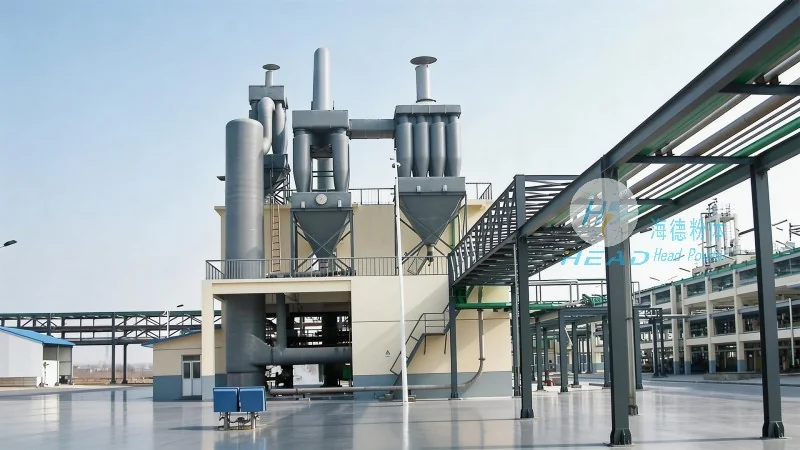
Traditional Conveying Methods and Their Limitations
Traditional gypsum powder conveying often relies on mechanical systems such as belt conveyors, screw conveyors, and bucket elevators. While these methods are widely used, they face several challenges when handling fine powders like gypsum. For instance, belt conveyors may suffer from material spillage and dust generation, which can lead to environmental issues and product contamination. Screw conveyors, though effective for bulk materials, can cause blockages and wear due to the abrasive nature of gypsum powder. Bucket elevators, another common option, require regular maintenance and may not be suitable for high-volume or continuous operations. These limitations highlight the need for more advanced and efficient conveying solutions.
HeadPowder's Pneumatic Conveying Technology: Advantages and Features
HeadPowder, a leading manufacturer in the field, offers advanced pneumatic conveying systems tailored for gypsum powder applications. Pneumatic conveying uses compressed air to transport powders through a pipeline, providing a dust-free and efficient method compared to traditional mechanical systems. The key advantages of HeadPowder's pneumatic conveying include:
High Efficiency and Capacity: The system can handle large volumes of gypsum powder with minimal downtime, ensuring smooth production flow.
Dust-Free Operation: By utilizing sealed pipelines and air filtration systems, the technology eliminates dust emissions, enhancing workplace safety and compliance with environmental regulations.
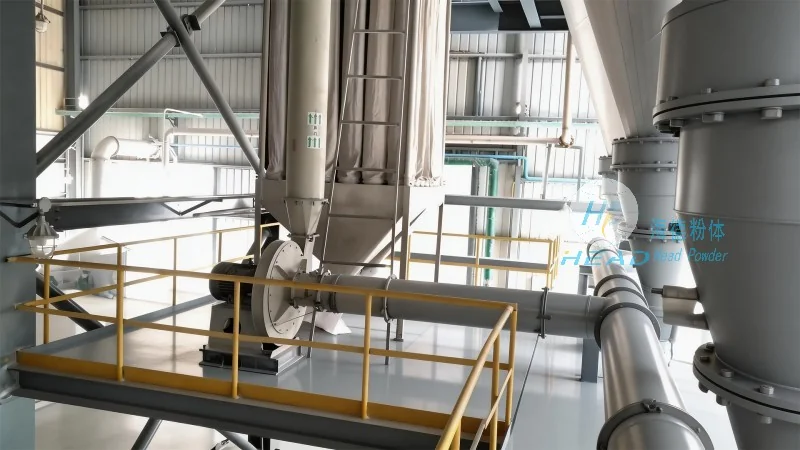
Reduced Maintenance: Pneumatic systems have fewer moving parts compared to mechanical conveyors, resulting in lower maintenance costs and longer equipment lifespan.
Flexibility and Scalability: HeadPowder's systems can be easily customized and expanded to accommodate changing production needs, making them suitable for both small-scale and large-scale operations.
Key Components of HeadPowder's Pneumatic Conveying System
HeadPowder's pneumatic conveying system comprises several critical components designed to optimize performance and reliability. The main components include:
Air Compressors: High-efficiency air compressors provide the necessary pressure to transport gypsum powder through the pipeline. These units are engineered for low noise and energy consumption, ensuring cost-effective operation.
Pipeline Network: A network of sealed stainless steel or aluminum pipelines ensures the safe and efficient transport of gypsum powder. The system can be configured in various layouts, including dilute phase and dense phase conveying, to suit specific application requirements.
Conveying Nozzles and Valves: Specialized nozzles and valves control the flow of air and powder, ensuring precise and controlled transportation. These components are designed to minimize pressure loss and prevent material blockages.
Filtration and Dust Collection: Advanced filtration systems capture any fine particles, preventing dust emissions and maintaining a clean working environment. The collected dust can be recycled back into the production process, reducing waste and material costs.
Application Examples and Case Studies
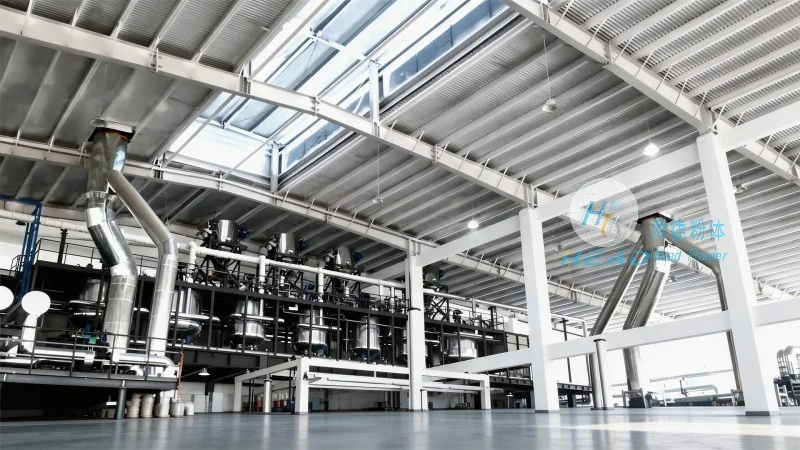
HeadPowder's pneumatic conveying systems have been successfully implemented in various industrial applications, including:
Construction Materials Production: In gypsum board manufacturing plants, the system efficiently transports raw gypsum powder from storage to processing units, ensuring consistent material quality and production efficiency.
Pharmaceutical and Food Processing: For industries requiring high-purity gypsum powder, the dust-free operation of HeadPowder's system meets stringent quality standards, ensuring product safety and compliance with regulatory requirements.
Chemical and Fertilizer Manufacturing: The system's ability to handle abrasive and fine powders makes it ideal for transporting gypsum in chemical processing facilities, reducing equipment wear and maintenance costs.
Conclusion: Choosing the Right Conveying Solution for Gypsum Powder
When selecting a conveying system for gypsum powder, it is essential to consider factors such as material properties, production volume, and operational requirements. While traditional mechanical systems may be suitable for low-volume applications, pneumatic conveying offers superior efficiency, safety, and flexibility for modern industrial needs. HeadPowder's pneumatic conveying technology, with its advanced components and proven performance, provides a reliable solution for handling gypsum powder effectively and sustainably. By partnering with HeadPowder, industries can enhance their production processes, reduce costs, and ensure compliance with environmental and safety standards.