

Common Methods for Pigment Masterbatch Particle Conveying? Advantages and Features of HeadPowder's Pneumatic Conveying System
When it comes to the efficient handling and transportation of pigment masterbatch particles in industrial settings, selecting the right conveying method is crucial for maintaining product quality, ensuring operational reliability, and optimizing overall production processes. The choice of conveying system directly impacts the performance of downstream equipment, the integrity of the masterbatch material, and the safety of the entire operation. Among the various options available, pneumatic conveying has emerged as a preferred solution for many manufacturers due to its versatility, efficiency, and ability to handle a wide range of particle sizes and materials.
Common Conveying Methods for Pigment Masterbatch Particles
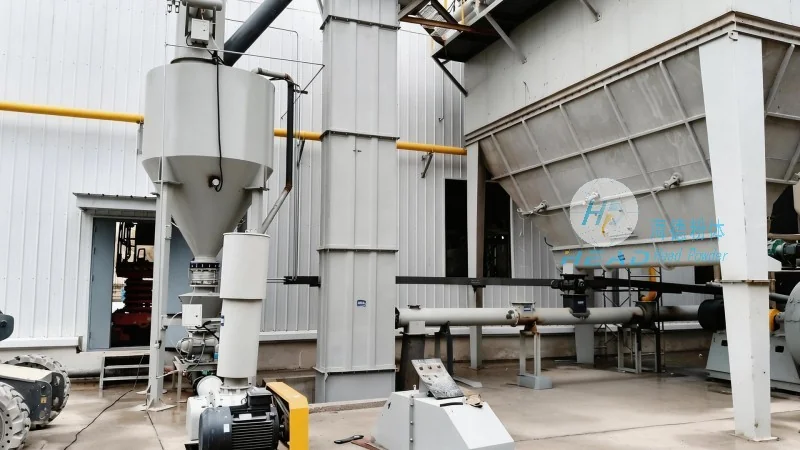
In industrial applications, pigment masterbatch particles are typically transported using several methods, each with its own set of advantages and limitations. The most common approaches include mechanical conveying systems, such as screw conveyors and belt conveyors, and pneumatic conveying systems. Mechanical systems rely on physical components like screws or belts to move materials, while pneumatic systems use air or other gases to transport particles through a pipeline network.
Advantages of Pneumatic Conveying for Pigment Masterbatch
Pneumatic conveying offers several key advantages that make it an attractive choice for transporting pigment masterbatch particles. One of the primary benefits is the ability to handle fine or abrasive particles without causing excessive wear on equipment. This is particularly important for pigment masterbatches, which often contain hard, high-density particles that can damage traditional mechanical conveyors over time. Additionally, pneumatic systems provide a dust-free and enclosed environment, reducing the risk of contamination and improving workplace safety. The flexibility of pneumatic conveying also allows for easy integration with existing production lines, enabling manufacturers to adapt their systems to changing production needs without significant modifications.
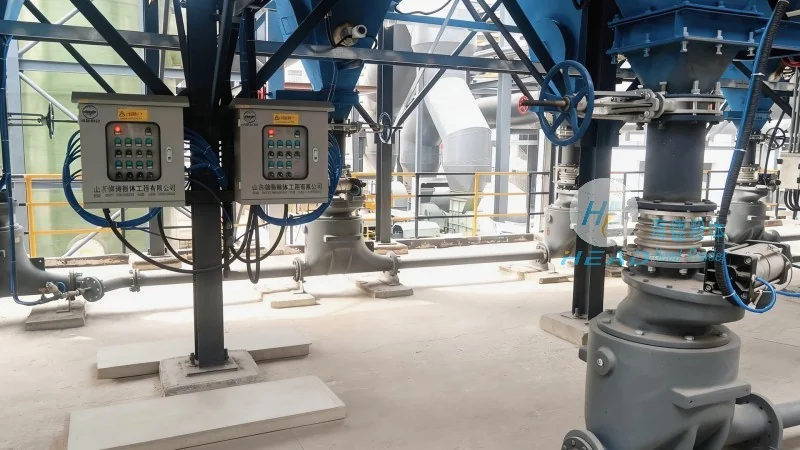
HeadPowder's Pneumatic Conveying System: Key Features and Benefits
Shandong HeadPowder Engineering Co., Ltd., a leading provider of industrial conveying solutions, has developed a specialized pneumatic conveying system designed specifically for pigment masterbatch particles. The system incorporates advanced technology to ensure efficient, reliable, and safe transportation of these materials. Key features include high-pressure air delivery systems that maintain consistent particle flow, robust pipeline designs that minimize pressure loss and material degradation, and intelligent control systems that optimize air usage and reduce energy consumption. The HeadPowder pneumatic conveying system is engineered to handle a wide range of particle sizes, from fine powders to larger granules, ensuring compatibility with various pigment masterbatch formulations.
Efficiency and Reliability in Pigment Masterbatch Handling
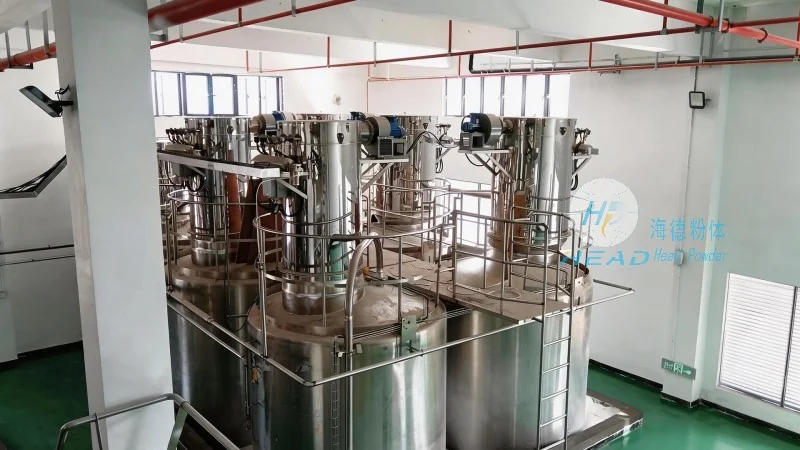
The HeadPowder pneumatic conveying system is built to deliver consistent performance and reliability, which is critical for maintaining the quality of pigment masterbatch products. By using a closed-loop system, the equipment minimizes material exposure to external contaminants, preserving the color and quality of the masterbatch. The system's ability to handle abrasive particles without significant wear extends equipment lifespan and reduces maintenance costs over time. Furthermore, the integration of real-time monitoring and control allows operators to adjust conveying parameters dynamically, ensuring optimal performance under varying production conditions. This adaptability is essential for manufacturers who need to process different types of pigment masterbatches with varying particle characteristics.
Addressing Challenges in Pigment Masterbatch Conveying
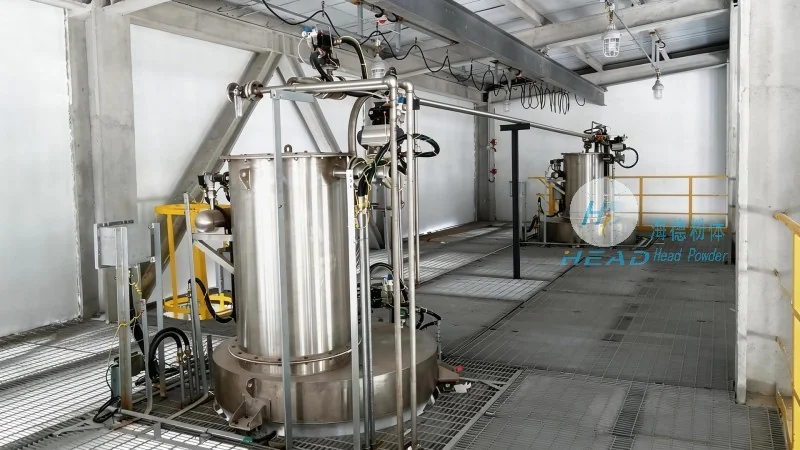
Conveying pigment masterbatch particles presents unique challenges, including the risk of clogging, material degradation, and dust generation. The HeadPowder pneumatic conveying system addresses these challenges through innovative design and engineering. The use of high-pressure air ensures that particles are fully suspended and transported smoothly through the pipeline, reducing the likelihood of clogs or blockages. The system's materials of construction, such as corrosion-resistant stainless steel, are chosen to withstand the abrasive nature of pigment masterbatch particles, minimizing wear and extending equipment life. Additionally, the enclosed design of the system effectively contains dust and particles, preventing environmental contamination and improving workplace safety. These features collectively contribute to a more efficient and reliable conveying process for pigment masterbatch materials.
Conclusion: Choosing the Right Conveying Solution for Pigment Masterbatch
When selecting a conveying method for pigment masterbatch particles, manufacturers must consider factors such as material characteristics, production volume, and operational requirements. While mechanical systems may be suitable for some applications, pneumatic conveying offers superior performance and flexibility for handling the unique challenges of pigment masterbatch materials. The HeadPowder pneumatic conveying system, developed by Shandong HeadPowder Engineering Co., Ltd., provides a comprehensive solution that addresses the key needs of modern pigment masterbatch production. By leveraging advanced technology and robust engineering, the system ensures efficient, reliable, and safe transportation of pigment masterbatch particles, helping manufacturers maintain product quality and optimize their production processes. For companies seeking to enhance their pigment masterbatch handling capabilities, the HeadPowder pneumatic conveying system represents a reliable and effective choice.