

Common Hydroxide Alumina Conveying Methods: Advantages and Features of HeadPowder's Pneumatic Conveying
Hydroxide alumina is a widely used industrial material, and its efficient transportation is crucial for various production processes. The choice of conveying method directly impacts operational efficiency, cost, and safety. This article explores common hydroxide alumina conveying methods and highlights the advantages and features of HeadPowder's pneumatic conveying technology.
Overview of Hydroxide Alumina Conveying Methods
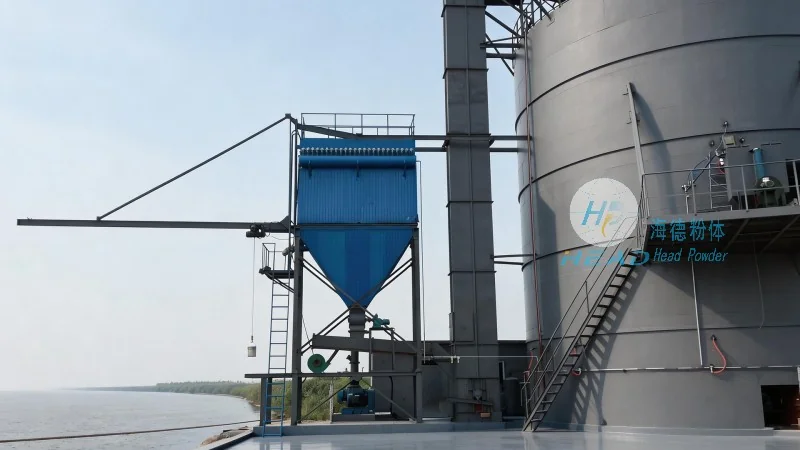
There are several conventional methods for transporting hydroxide alumina, each with its own set of characteristics and applications. The primary options include gravity conveying, mechanical conveying, and pneumatic conveying. Each method has its strengths and limitations, which must be carefully considered based on the specific requirements of the production line.
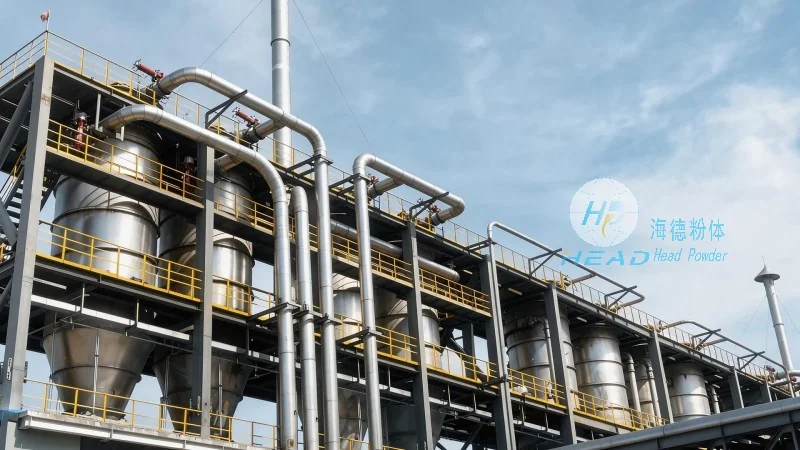
Gravity Conveying: Traditional but Limited
Gravity conveying relies on the natural force of gravity to move materials from a higher elevation to a lower one. This method is simple and cost-effective for short distances and when the material has a relatively high density and free-flowing properties. However, it is limited by the need for a steep incline and is not suitable for long distances or when the material is prone to bridging or clogging. For hydroxide alumina, which can be fine and cohesive, gravity conveying may not be the most reliable option, as it can lead to uneven flow and potential blockages in the system.
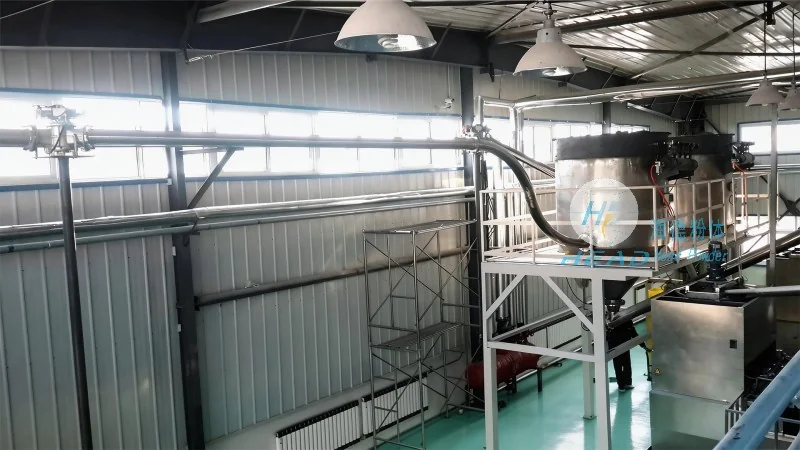
Mechanical Conveying: Versatile but Energy-Intensive
Mechanical conveying uses machinery such as belt conveyors, screw conveyors, and bucket elevators to transport materials. This method offers greater control over the flow rate and direction, making it suitable for a wide range of applications. However, mechanical conveyors require significant energy input and maintenance. They can also generate dust and noise, posing safety and environmental concerns. For hydroxide alumina, which is often dusty and can cause wear on mechanical components, mechanical conveying may lead to higher operational costs and maintenance requirements over time.
Pneumatic Conveying: The Advanced Solution
Pneumatic conveying, also known as air conveying, uses compressed air to transport materials through a pipeline. This method is particularly well-suited for hydroxide alumina due to its ability to handle fine powders and abrasive materials efficiently. HeadPowder's pneumatic conveying system is designed to address the unique challenges of hydroxide alumina transportation, offering several key advantages.
Advantages of HeadPowder's Pneumatic Conveying System
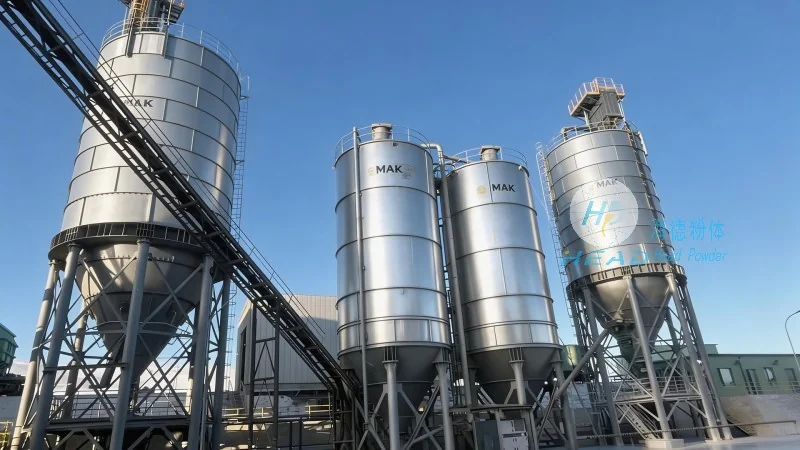
HeadPowder, a leading manufacturer of material handling solutions, has developed a specialized pneumatic conveying system tailored for hydroxide alumina. The system incorporates advanced technology to ensure optimal performance and reliability. Key advantages include: