

Common Polystyrene Conveying Methods: Advantages and Features of HeadPowder's Polystyrene Pneumatic Conveying System
Polystyrene, a widely used thermoplastic polymer, is commonly utilized in various industries for its lightweight, durable, and versatile properties. As a result, the efficient and reliable transportation of polystyrene materials is a critical aspect of many production processes. This article explores the common methods for conveying polystyrene and highlights the advantages and features of HeadPowder's polystyrene pneumatic conveying system, a leading solution from Shandong HeadPowder Engineering Co., Ltd., based in China.
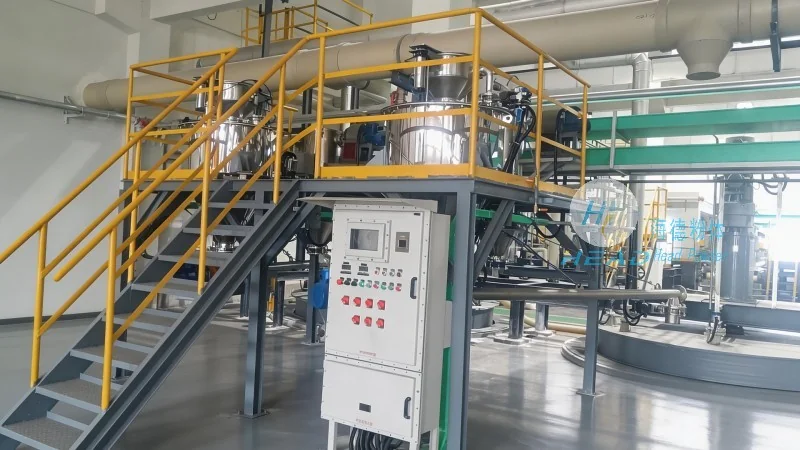
Common Polystyrene Conveying Methods
Several methods are employed for the transportation of polystyrene, each with its own set of advantages and limitations. The primary conventional methods include mechanical conveying systems such as belt conveyors, screw conveyors, and bucket elevators. These systems rely on mechanical force to move polystyrene particles from one location to another. Belt conveyors are particularly effective for transporting bulk polystyrene over short to medium distances, while screw conveyors are suitable for vertical or inclined transport. However, mechanical conveying systems often face challenges when dealing with fine or powdery polystyrene, as they can lead to material degradation, blockages, and increased wear on components.
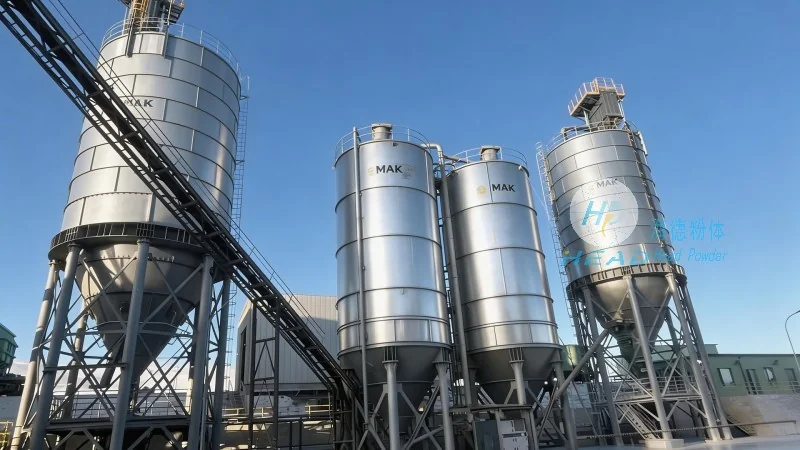
Another common method is vacuum or pressure pneumatic conveying. This approach uses air or gas to transport polystyrene particles through a pipeline. Vacuum systems draw material from a hopper into the conveying line, while pressure systems push material from a storage vessel. Pneumatic conveying offers advantages such as reduced material handling time, minimal product contamination, and the ability to transport materials over longer distances. However, it requires careful design to prevent particle degradation and ensure efficient air flow.
Advantages of HeadPowder's Polystyrene Pneumatic Conveying System
HeadPowder's polystyrene pneumatic conveying system stands out in the market due to its advanced technology and tailored solutions for polystyrene handling. The system is engineered to address the unique challenges associated with polystyrene, including its lightweight nature and potential for dust generation. One of the key advantages is the use of high-efficiency air filtration and separation systems, which ensure that the conveyed polystyrene remains clean and free from contaminants. This is particularly important in industries where product purity is critical, such as food packaging or medical applications.
The system also features adjustable conveying velocities and pressure settings, allowing for optimal performance based on the specific characteristics of the polystyrene material. This flexibility enables the system to handle a wide range of polystyrene types, from granules to fine powders, without compromising efficiency or material integrity. Additionally, the design incorporates robust materials of construction, such as stainless steel and corrosion-resistant components, to withstand the chemical and physical stresses of polystyrene handling over extended periods.
Key Features of the HeadPowder Pneumatic Conveying System
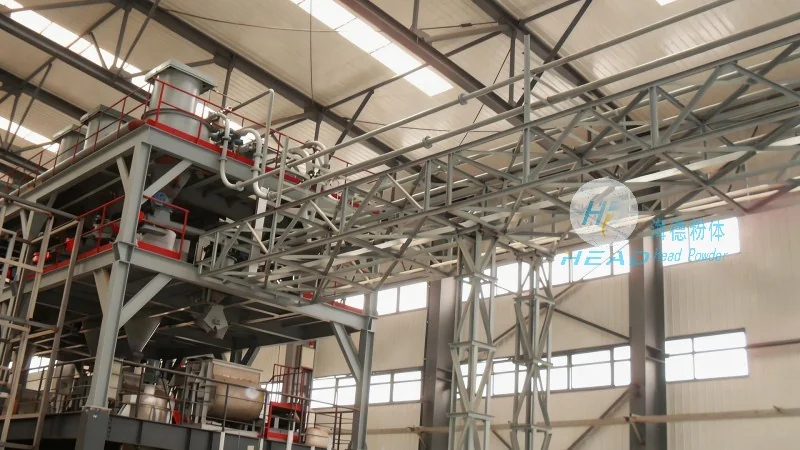
HeadPowder's polystyrene pneumatic conveying system is equipped with several features that enhance its functionality and reliability. The system includes advanced control panels with real-time monitoring capabilities, allowing operators to track conveying parameters and adjust settings as needed. This ensures consistent performance and minimizes downtime. Furthermore, the system incorporates self-cleaning and maintenance-friendly designs, reducing the need for frequent servicing and lowering operational costs.
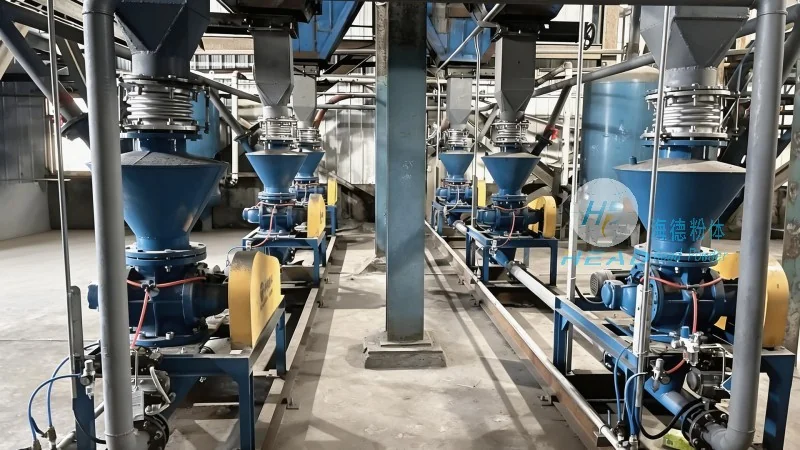
Another notable feature is the integration of dust suppression and explosion-proof components, which are essential for safe operation in environments where polystyrene dust may accumulate. The system is designed to comply with international safety standards, providing peace of mind to users in various industrial settings. Additionally, the modular construction of the system allows for easy installation and customization to fit specific plant layouts and production requirements.
Conclusion
In conclusion, while mechanical and traditional pneumatic conveying methods have their roles in polystyrene transportation, HeadPowder's specialized polystyrene pneumatic conveying system offers superior performance, reliability, and efficiency. By addressing the unique challenges of polystyrene handling, the system ensures minimal material degradation, consistent product quality, and reduced operational costs. As a leading provider from Shandong HeadPowder Engineering Co., Ltd., based in China, HeadPowder continues to innovate and deliver tailored solutions that meet the evolving needs of industries relying on polystyrene materials.