

Common Polyethylene Resin Powder Conveying Methods: Advantages and Features of HeadPowder's Pneumatic Conveying for Polyethylene Resin Powder
When it comes to transporting polyethylene resin powder, selecting the right conveying method is crucial for maintaining product quality, ensuring operational efficiency, and minimizing safety risks. In industrial settings, polyethylene resin powder is widely used in manufacturing processes, and its effective transportation directly impacts production continuity and overall operational costs. This article explores common polyethylene resin powder conveying methods and highlights the advantages of HeadPowder's pneumatic conveying solutions, a leading provider based in Shandong, China.
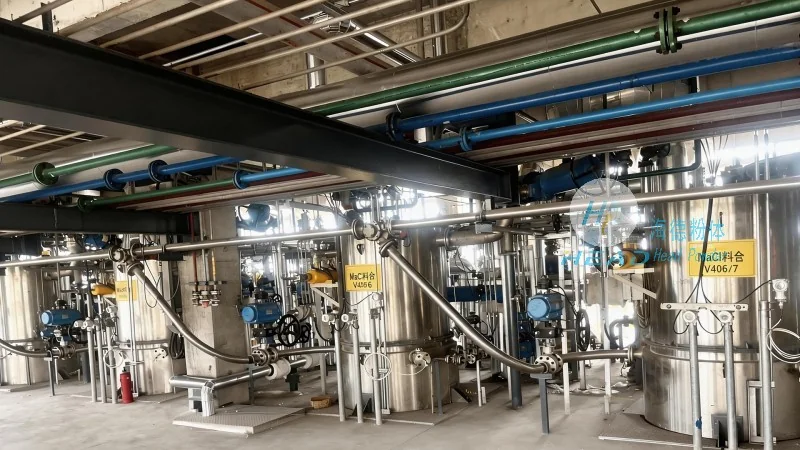
Overview of Common Polyethylene Resin Powder Conveying Methods
Traditional conveying methods for polyethylene resin powder include screw conveyors, belt conveyors, and manual handling. However, these methods often face challenges such as material degradation, dust generation, and labor-intensive operations. Screw conveyors, for instance, can cause friction and heat buildup, potentially affecting the polymer's molecular structure. Belt conveyors, while suitable for bulk materials, may not effectively handle fine powders without additional dust control measures. Manual handling is inefficient and poses health hazards due to exposure to airborne particles. These limitations have led to the adoption of more advanced and efficient technologies, with pneumatic conveying emerging as a preferred solution for many industries.
HeadPowder's Pneumatic Conveying System: Key Advantages
HeadPowder Engineering Co., Ltd., headquartered in Shandong, China, specializes in providing advanced pneumatic conveying systems tailored to the unique needs of polyethylene resin powder. The company's solutions are designed to address the challenges associated with traditional conveying methods, offering several key advantages that enhance operational performance and product integrity. One of the primary benefits is the elimination of dust and contamination, as the material is transported within a sealed system. This not only improves workplace safety but also maintains the purity of the polyethylene resin powder, which is critical for downstream applications like extrusion and molding.
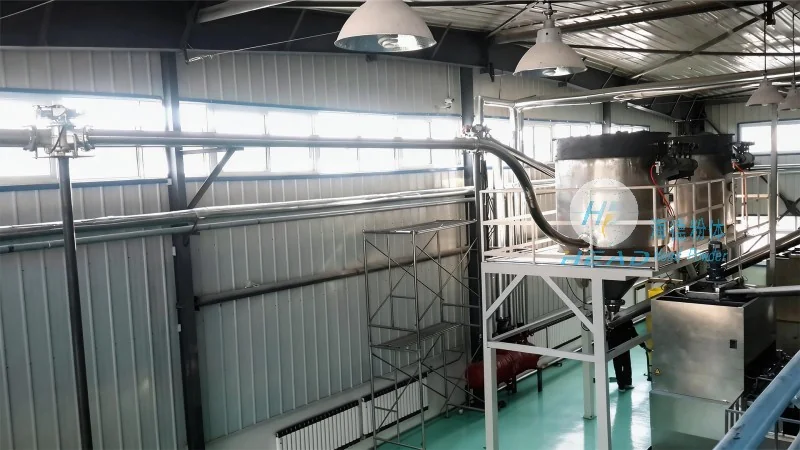
Efficiency and Energy Savings in Pneumatic Conveying
Compared to mechanical conveyors, pneumatic systems often require less maintenance and can handle varying material flow rates with greater flexibility. The use of compressed air as the conveying medium allows for precise control over the flow, enabling smooth and consistent material transport. This results in reduced downtime and increased productivity. Additionally, pneumatic conveying systems are energy-efficient, as they can be optimized to use minimal air pressure and volume, thereby lowering operational costs over time. HeadPowder's systems are engineered with energy-saving features, such as variable speed drives and efficient air filtration, to maximize cost-effectiveness for industrial users.
Enhanced Safety and Environmental Compliance
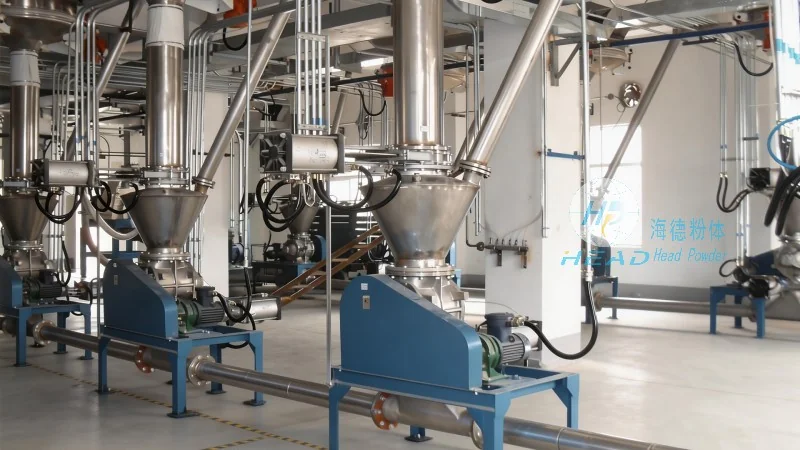
Working with polyethylene resin powder involves managing potential health and environmental risks. Dust exposure can lead to respiratory issues, and improper handling may result in environmental contamination. HeadPowder's pneumatic conveying solutions are designed with robust safety features, including sealed containers and advanced filtration systems, to minimize the release of airborne particles. The enclosed system ensures that the material remains contained throughout the conveying process, reducing the risk of spills or leaks. This not only protects workers but also helps companies comply with environmental regulations, which is increasingly important in today's industrial landscape.
Customization and Scalability for Diverse Applications
Every industrial facility has unique requirements when it comes to polyethylene resin powder handling. HeadPowder understands this and offers customized pneumatic conveying systems that can be scaled to meet specific production needs. Whether for small-scale operations or large-scale manufacturing plants, the company's solutions can be adapted to handle varying quantities and material types. The modular design of the systems allows for easy expansion or integration with existing infrastructure, ensuring a seamless transition to more efficient conveying methods. This flexibility makes HeadPowder's pneumatic conveying an ideal choice for businesses looking to upgrade their material handling processes without significant disruptions.
Conclusion: Choosing the Right Conveying Solution for Polyethylene Resin Powder
In conclusion, the choice of polyethylene resin powder conveying method significantly impacts operational efficiency, product quality, and safety. While traditional methods have their limitations, pneumatic conveying offers a superior alternative with numerous advantages. HeadPowder Engineering Co., Ltd., with its expertise and commitment to innovation, provides reliable and efficient pneumatic conveying systems that address the specific challenges of polyethylene resin powder handling. By investing in a pneumatic conveying solution from HeadPowder, industrial users can enhance their production processes, reduce costs, and ensure compliance with safety and environmental standards. The company's focus on customization and scalability further positions it as a trusted partner for businesses seeking to optimize their material handling operations.