

What Are the Types of Rice and Flour Conveying Methods?
When it comes to the efficient handling and transportation of rice and flour in industrial settings, selecting the right conveying method is crucial for maintaining product quality, reducing operational costs, and ensuring smooth workflow. As a leading provider in the field, Shandong HeadPowder Engineering Co., Ltd., based in Shandong, China, specializes in offering advanced solutions tailored to the unique demands of the food processing industry. This article explores the various rice and flour conveying methods available, highlighting their applications, advantages, and how they contribute to optimal material handling in food production facilities.
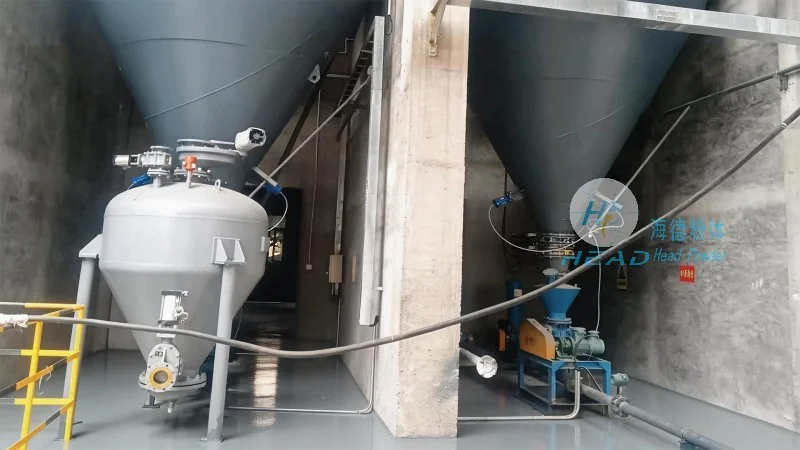
1. Screw Conveyors for Rice and Flour Handling
Screw conveyors, also known as auger conveyors, are among the most common and versatile equipment used for transporting bulk materials like rice and flour. These systems consist of a rotating helical screw inside a cylindrical tube, which moves material from one end to the other through a combination of friction and gravity. The design of screw conveyors allows for horizontal, vertical, or inclined operation, making them adaptable to various layouts in processing plants. For rice and flour, screw conveyors are particularly effective in handling dry, free-flowing powders and granules. They are often used for short to medium-distance transport, such as moving raw materials from storage silos to processing lines or transferring finished products to packaging areas. The key advantages of screw conveyors include their compact design, low maintenance requirements, and ability to operate in a closed system, which helps prevent contamination and dust exposure. However, they may not be suitable for very fine powders or materials with high moisture content, as these can cause clogging or reduced efficiency.
2. Bucket Elevators (Vertical Conveyors) for High-Rise Transport
For applications requiring vertical transport of rice and flour over significant heights, bucket elevators are an excellent choice. These systems use a continuous chain or belt with attached buckets that carry the material upward. As the buckets move along the vertical or inclined track, they lift the material from the lower level to the upper level, where it is discharged. Bucket elevators are highly efficient for moving large volumes of bulk materials, making them ideal for processing plants with multiple floors or elevated storage silos. They are particularly effective for handling heavy, dense materials like whole grains or flour, as the buckets provide consistent and reliable transport without the risk of material spillage. The design of bucket elevators allows for high throughput and minimal space requirements, which is beneficial in facilities where vertical space is limited. Additionally, these conveyors can be equipped with dust control features, ensuring a clean and safe working environment. However, they require regular maintenance of the chain or belt and may need more power compared to horizontal conveyors.
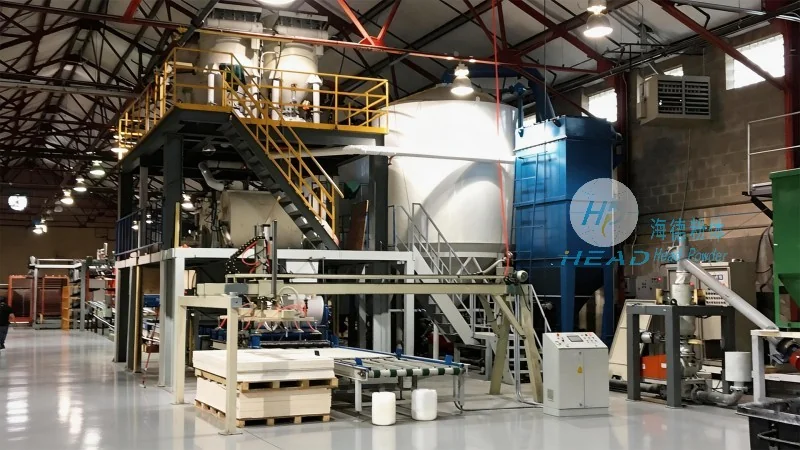
3. Pneumatic Conveying Systems for Flexible and Dust-Free Transport
Pneumatic conveying systems utilize air pressure or vacuum to transport rice and flour through a network of pipes. These systems are highly flexible and can be configured to handle both horizontal and vertical transport, making them suitable for complex material flow paths. There are two main types of pneumatic conveyors: pressure systems, which use compressed air to push material through the pipes, and vacuum systems, which use suction to draw material from the source. Pneumatic conveying is particularly advantageous for applications where dust control is a priority, as the material is contained within the pipes, preventing exposure to the environment. This method is ideal for transporting fine powders or granules over long distances, as it minimizes product degradation and loss. Additionally, pneumatic systems can be integrated with other processing equipment, such as mixers or classifiers, to create a seamless material handling workflow. However, they may have higher energy consumption compared to mechanical conveyors and require careful design to prevent material buildup or blockages in the pipes.
4. Belt Conveyors for Bulk Material Transport
Belt conveyors are widely used in the food processing industry for transporting large quantities of rice and flour over long distances. These systems consist of a continuous belt that moves over rollers or idlers, carrying the material from the loading point to the discharge point. Belt conveyors are particularly effective for handling heavy, abrasive materials like whole grains or flour, as the belt can withstand the impact and friction without damage. They are often used in combination with other equipment, such as hoppers or feeders, to ensure a steady flow of material. The design of belt conveyors allows for high throughput and low maintenance, making them a cost-effective solution for bulk material transport. Additionally, belt conveyors can be equipped with sensors and controls to monitor the system's performance and detect any issues, such as belt slippage or material overload. However, they require regular inspection of the belt and rollers to prevent wear and tear, and may not be suitable for very fine powders that could cause the belt to slip or degrade.
5. Chain Conveyors for Heavy-Duty Applications
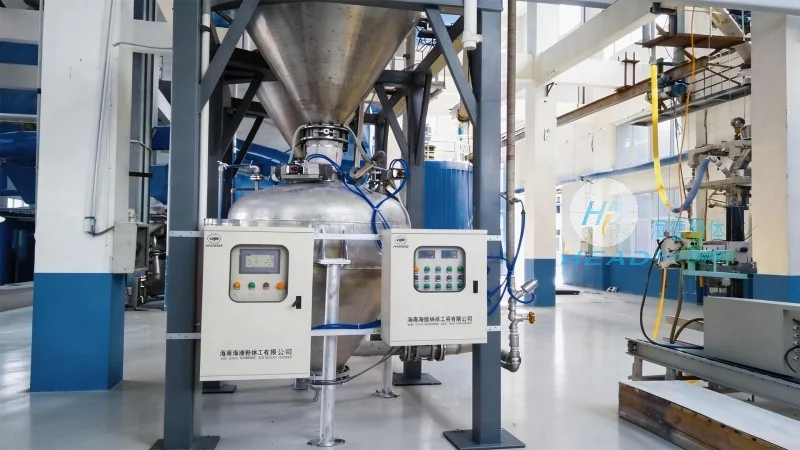
Chain conveyors use a series of metal chains with attached buckets or plates to transport rice and flour. These systems are designed for heavy-duty applications, such as handling large quantities of whole grains or flour in high-capacity processing plants. The chains are typically made of durable materials like stainless steel, which can withstand the abrasive nature of the materials and resist corrosion. Chain conveyors are particularly effective for vertical or inclined transport, as the chains provide consistent and reliable movement of the material. They are often used in combination with other equipment, such as feeders or classifiers, to ensure a smooth material flow. The key advantages of chain conveyors include their high load capacity and ability to handle materials with high moisture content or sticky properties. However, they require more maintenance compared to other conveyor types, as the chains and components need regular lubrication and inspection to prevent wear and tear.
6. Vibrating Conveyors for Gentle Material Handling
Vibrating conveyors use vibration to move rice and flour along a trough or conveyor bed. These systems are designed for gentle material handling, making them ideal for delicate products like flour or fine powders that could be damaged by mechanical impact. The vibration is typically generated by an electric motor connected to a drive system, which causes the conveyor bed to oscillate, moving the material forward. Vibrating conveyors are particularly effective for applications where the material needs to be transported over long distances without segregation or degradation. They are often used in combination with other equipment, such as screens or classifiers, to separate materials based on size or density. The key advantages of vibrating conveyors include their low maintenance requirements and ability to handle materials with high moisture content or sticky properties. However, they may have lower throughput compared to other conveyor types and require careful design to prevent material buildup or blockages in the trough.