Công ty TNHH Kỹ thuật Headpowder Sơn Đông chuyên vận chuyển khí nén bột và hạt. Nhờ thế mạnh hợp tác doanh nghiệp‑trường‑viện, chúng tôi cung cấp giải pháp vận chuyển kín, không bụi, độ chính xác cao.
Wood chip conveying is a critical process in the wood processing industry, involving the efficient transportation of wood chips from one location to another. This process is essential for various applications, including pulp and paper production, biomass energy generation, and wood product manufacturing. The choice of conveying method significantly impacts operational efficiency, cost, and the overall quality of the final product. In this article, we will explore the primary methods used for wood chip conveyance, focusing on the technologies and considerations that make each method suitable for different industrial needs.
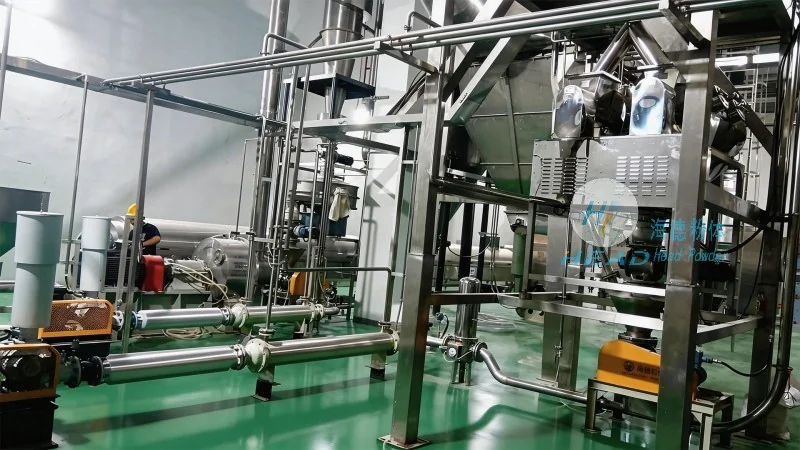
Types of Wood Chip Conveying Methods
There are several established methods for transporting wood chips, each with distinct advantages and applications. The most common types include mechanical conveyors, such as belt conveyors and screw conveyors, and pneumatic systems, including vacuum and pressure conveyors. Each method is designed to handle specific chip sizes, moisture content, and throughput requirements.
Mechanical Conveyors: Belt and Screw Conveyors
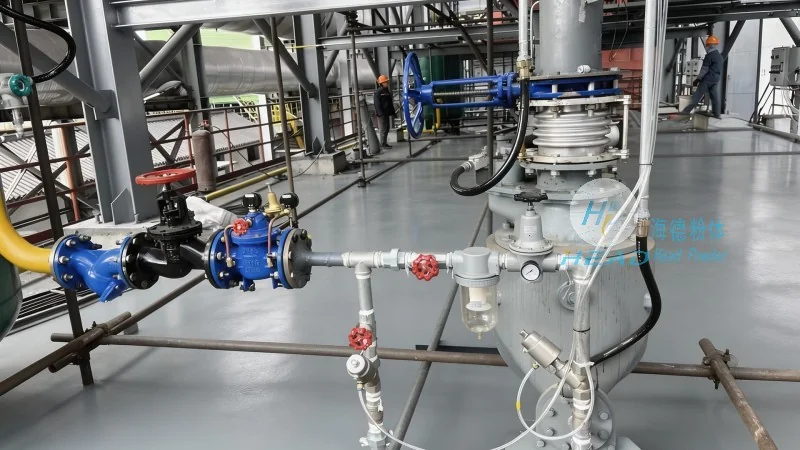
Mechanical conveyors are among the most widely used systems for wood chip transportation due to their reliability and cost-effectiveness. Belt conveyors utilize a continuous belt that moves wood chips along a fixed path, often supported by rollers or idlers. This method is suitable for horizontal or slight incline transport and can handle large volumes of chips with minimal maintenance. The design of the belt and the speed of the conveyor can be adjusted to accommodate different chip characteristics, ensuring smooth and efficient movement. Screw conveyors, also known as auger conveyors, use a rotating screw to push chips forward through a cylindrical tube. These systems are particularly effective for vertical or inclined transport and can handle chips with higher moisture content, as the screw provides consistent pressure and movement. Both belt and screw conveyors are robust and can operate in harsh environments, making them ideal for industrial settings.
Pneumatic Conveying Systems
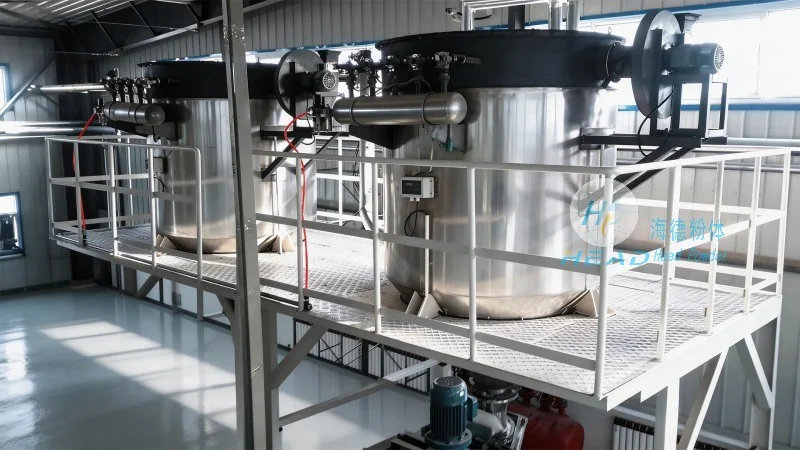
Pneumatic conveying systems use air or gas to transport wood chips through a pipeline. These systems are categorized into two main types: vacuum and pressure conveyors. Vacuum systems draw chips into the pipeline using a vacuum pump, while pressure systems force chips through the line using a blower or compressor. Pneumatic conveyors are advantageous for long-distance transport and can handle chips with varying sizes and moisture levels. They are also relatively quiet and can be integrated into existing processing lines without significant structural changes. However, pneumatic systems require careful consideration of air pressure, flow rates, and the potential for particle degradation due to friction and abrasion.
Hybrid Conveying Solutions
In many industrial applications, a combination of mechanical and pneumatic systems is employed to achieve optimal performance. For example, a belt conveyor might transport chips to a pneumatic system for final delivery to a processing unit. This hybrid approach allows for the benefits of both methods, such as the high capacity of mechanical conveyors and the flexibility of pneumatic systems. The integration of these systems requires careful planning to ensure smooth operation and minimal downtime. Companies like Shandong HeadPowder Engineering Co., Ltd. specialize in designing and manufacturing customized conveying solutions that incorporate these hybrid technologies, tailored to the specific needs of their clients.
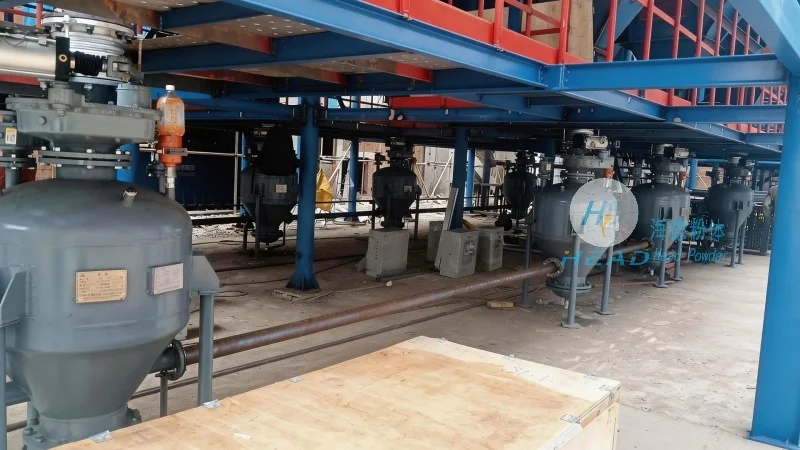
Key Considerations for Selecting a Conveying Method
When selecting a wood chip conveying method, several factors must be considered to ensure the most efficient and cost-effective solution. The first consideration is the chip size and shape, as larger or irregularly shaped chips may require more robust systems like screw conveyors. The moisture content of the chips is another critical factor, as higher moisture levels can affect the friction and flow characteristics of the material. The distance and direction of transport also play a role, with pneumatic systems being more suitable for long distances and mechanical systems for shorter, horizontal or inclined paths. Additionally, the throughput required and the available space for the conveyor system must be evaluated. The cost of installation, maintenance, and energy consumption are also important factors to consider, as they directly impact the overall operational expenses. By carefully assessing these factors, industrial facilities can choose the most appropriate conveying method to meet their production goals.
Conclusion
Wood chip conveying is a vital component of the wood processing industry, and the choice of conveying method significantly impacts operational efficiency and product quality. Mechanical conveyors, such as belt and screw systems, offer reliability and cost-effectiveness for various applications, while pneumatic systems provide flexibility and long-distance transport capabilities. Hybrid solutions often provide the best balance of performance and adaptability. Companies like Shandong HeadPowder Engineering Co., Ltd. play a crucial role in designing and implementing these systems, ensuring that industrial facilities can achieve optimal performance and meet their production requirements. By understanding the different types of wood chip conveying methods and the factors that influence their selection, businesses can make informed decisions that enhance their operational efficiency and sustainability.

 Shandong Headpowder Engineering Co., Ltd.
 156-6277-7102(Quản lý Trương)
  0531-83386006
  Thành phố Tế Nam, Tỉnh Sơn Đông, Trung Quốc
Điện thoại
WeChatTư vấn
Lên đầu