

How to Transport High-Temperature Ash? Exploring Effective Solutions for High-Temperature Ash Handling
High-temperature ash, often generated from industrial processes such as power generation, incineration, or metal smelting, poses unique challenges in its transportation due to its thermal properties and potential for agglomeration. Efficient and reliable transport methods are crucial for maintaining operational efficiency and ensuring environmental compliance. This article provides an overview of the primary methods used to transport high-temperature ash, highlighting the key considerations and applications for each approach.
Understanding High-Temperature Ash and Its Transport Requirements
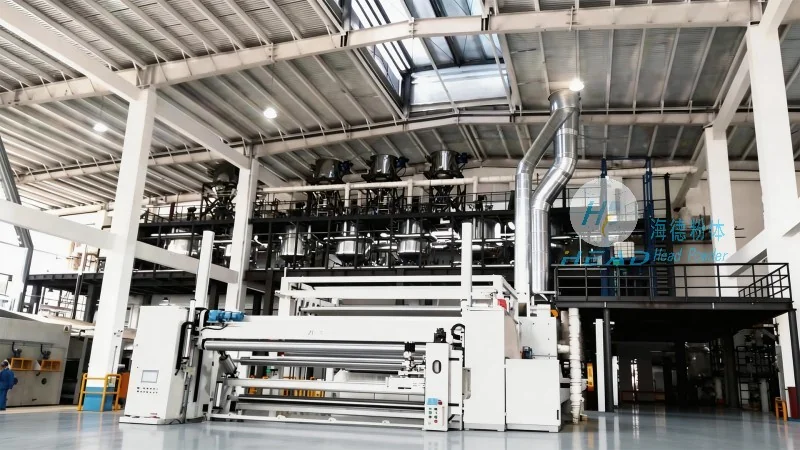
Before delving into specific transport methods, it is essential to understand the characteristics of high-temperature ash. This material typically has a high temperature upon generation, ranging from several hundred to over a thousand degrees Celsius, and may contain abrasive or corrosive components. The physical properties, such as moisture content, particle size distribution, and thermal conductivity, significantly influence the choice of transport system. Additionally, the need for minimal material loss, low maintenance, and compliance with safety regulations are critical factors in selecting an appropriate high-temperature ash transport solution.
Common High-Temperature Ash Transport Methods
Several transport methods are commonly employed in industrial settings to handle high-temperature ash. Each method has its advantages and is suitable for different operational conditions and material characteristics. The primary options include pneumatic conveying, screw conveyors, and belt conveyors, among others.
Pneumatic Conveying Systems
Pneumatic conveying, also known as air-pneumatic transport, is a widely used method for transporting high-temperature ash. This system utilizes compressed air to move the material through a pipeline. There are two main types: dilute-phase and dense-phase pneumatic conveying. Dilute-phase systems are suitable for fine, non-agglomerating ash particles and operate at higher velocities, while dense-phase systems are better for handling bulkier or more abrasive materials, using lower air velocities to maintain material integrity.
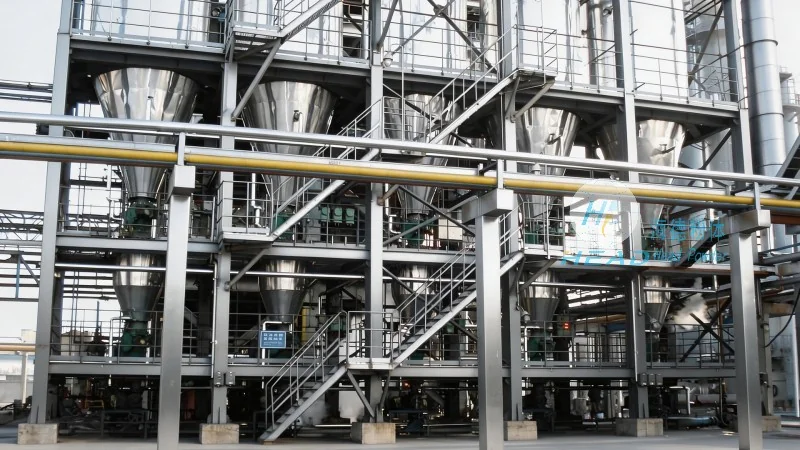
For high-temperature ash, the choice of conveying medium (air or inert gas) is critical. Inert gases like nitrogen or carbon dioxide may be used to prevent oxidation or combustion of the material, especially when dealing with reactive or flammable ash. The system design must also account for thermal expansion and the potential for heat transfer to the conveying air, which can affect the overall efficiency and safety of the process.
Screw Conveyors for High-Temperature Ash
Screw conveyors, also known as auger conveyors, are another effective method for transporting high-temperature ash. These systems consist of a rotating screw (auger) inside a trough, which moves the material forward. Screw conveyors are particularly suitable for handling ash with a moderate to high moisture content and can be designed to operate at elevated temperatures. The key advantages include a compact design, low maintenance, and the ability to handle a wide range of particle sizes. However, screw conveyors may experience wear from abrasive ash particles and require proper heat dissipation to prevent overheating of the screw and trough.
Belt Conveyors in High-Temperature Ash Transport
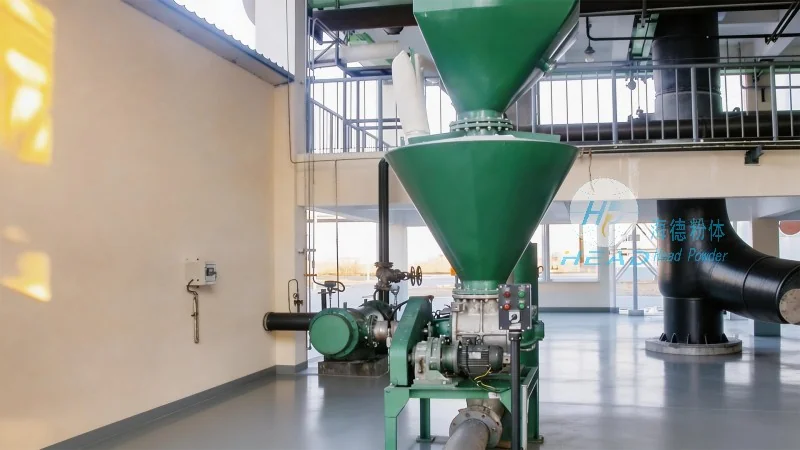
Belt conveyors are commonly used for the horizontal or inclined transport of high-temperature ash, especially in applications where long distances or large volumes need to be moved. These systems consist of a continuous belt that transports the material from the source to the destination. The belt material must be heat-resistant and resistant to abrasion to withstand the high temperatures and abrasive nature of the ash. Belt conveyors can be equipped with special features such as heat-resistant coatings or reinforced structures to enhance durability. They are particularly effective for transporting ash to storage facilities or for further processing.
Other Specialized Transport Solutions
In addition to the primary methods mentioned above, specialized transport solutions may be employed for unique high-temperature ash handling scenarios. For example, hydraulic conveyors use water to transport ash, which is effective for handling wet or sticky ash but requires careful management of water usage and disposal. Additionally, magnetic or vibratory conveyors may be used for specific applications where the ash contains magnetic or easily agglomerated components.
Key Considerations for Selecting a High-Temperature Ash Transport System
When selecting a high-temperature ash transport system, several factors must be considered to ensure optimal performance and safety. The first is the material's physical properties, including temperature, particle size, and moisture content. The second is the distance and layout of the transport route, as different systems are better suited for short or long distances. The third is the required throughput and the need for minimal material loss. Finally, the cost of installation, maintenance, and operational energy consumption must be evaluated to ensure the chosen system is economically viable.
Conclusion
Efficient transport of high-temperature ash is essential for the smooth operation of industrial processes and the protection of the environment. By understanding the characteristics of the ash and the capabilities of different transport methods, industrial facilities can select the most appropriate system for their needs. Whether using pneumatic conveying, screw conveyors, or belt conveyors, careful consideration of material properties, operational requirements, and safety regulations is crucial for successful high-temperature ash handling. Companies like Shandong HeadPowder Engineering Co., Ltd., with a focus on innovative engineering solutions, provide expertise and tailored systems to meet the diverse needs of high-temperature ash transport in various industries.