

Methods of Transporting Ferric Sulfate
Ferric sulfate, also known as iron(III) sulfate, is a widely used chemical in water treatment, industrial processes, and other applications. The reliable transportation of this chemical is essential for maintaining operational efficiency and ensuring safety. Shandong HeadPowder Engineering Co., Ltd., a leading company based in Shandong, China, specializes in providing solutions for the transportation and handling of ferric sulfate. This article explores the primary methods of ferric sulfate transportation, focusing on the practical approaches used by industrial and commercial operations.
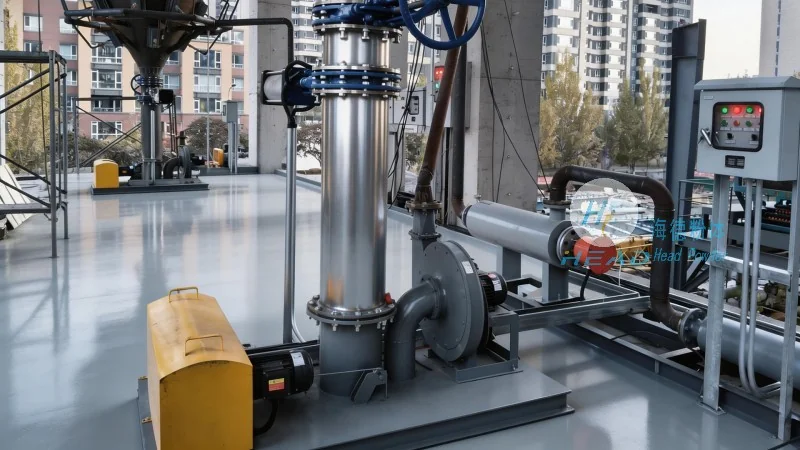
1. Pumping Systems for Ferric Sulfate Delivery
One of the most common and efficient methods for transporting ferric sulfate is through specialized pumping systems. These systems typically utilize chemical-resistant pumps, such as centrifugal or diaphragm pumps, which are designed to handle the corrosive nature of ferric sulfate solutions. The pumping process ensures consistent and controlled flow from storage tanks to processing equipment or delivery points. Companies like HeadPowder recommend using pumps made from materials like stainless steel or polypropylene to prevent corrosion and ensure long-term durability. The integration of pipelines with pumping systems allows for continuous operation, reducing downtime and minimizing the risk of spills or contamination. This method is particularly advantageous for large-scale operations where high volumes of ferric sulfate need to be moved regularly.
2. Pipeline Transportation Networks
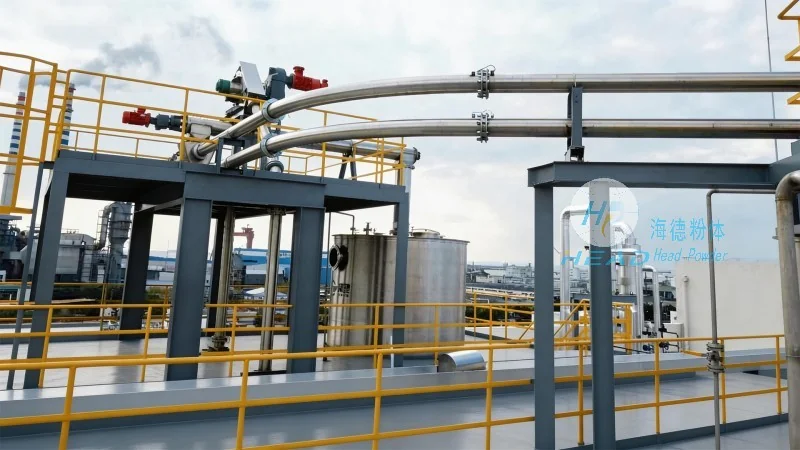
Pipeline transportation is another key method for moving ferric sulfate, especially in industrial settings where large volumes are involved. Pipelines are constructed from durable materials like steel or PVC, which are resistant to the chemical's properties. The system typically includes a network of pipes connected to storage tanks and processing units, enabling the chemical to be transferred over long distances with minimal loss. This method is highly efficient as it eliminates the need for frequent loading and unloading of containers, thus reducing operational costs and improving delivery reliability. For operations in regions like Shandong, China, pipeline systems can be integrated with existing infrastructure, making it a cost-effective solution. The use of automated valves and flow meters further enhances control and safety, ensuring the ferric sulfate is delivered at the correct pressure and flow rate. This approach is ideal for continuous production processes that require a steady supply of the chemical.
3. Tanker Truck Transport for Bulk Delivery
For bulk transportation of ferric sulfate, tanker trucks are widely used. These specialized vehicles are equipped with insulated and corrosion-resistant tanks that can safely store and transport the chemical. The trucks are designed to maintain the temperature and consistency of the ferric sulfate solution, preventing degradation or separation of components. Shandong HeadPowder Engineering Co., Ltd. often coordinates with logistics partners to ensure that the trucks are properly maintained and that drivers are trained in handling hazardous materials. The use of tanker trucks allows for flexible delivery, as they can reach various industrial sites and processing facilities. This method is particularly useful for delivering ferric sulfate to locations not connected by pipelines or for smaller-scale operations that require periodic deliveries. The trucks are equipped with safety features such as pressure relief valves and emergency shut-off systems to prevent accidents during transit.
4. Containerized Shipping for Smaller Batches
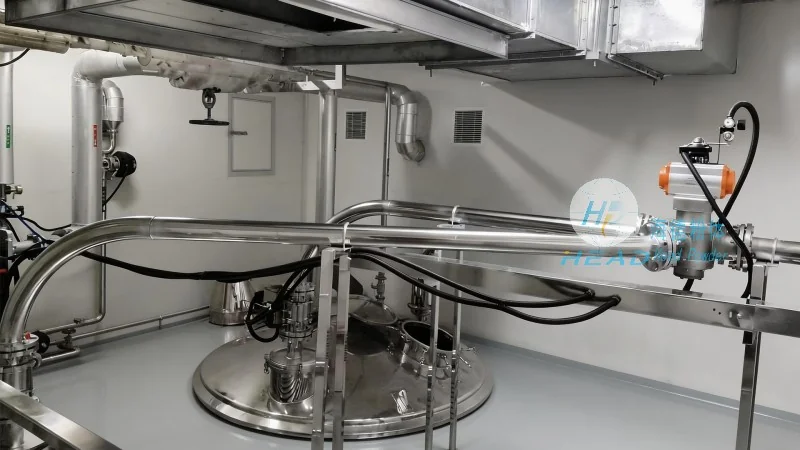
In some cases, ferric sulfate may be transported in containers, such as bulk containers or drums. This method is suitable for smaller quantities or for situations where direct delivery to a processing plant is not feasible. The containers are typically made from materials like stainless steel or high-density polyethylene, which are resistant to the chemical's corrosive properties. The containers are sealed to prevent leaks and are labeled with appropriate hazard warnings. Companies like HeadPowder may offer containerized shipping services for customers who need to transport smaller batches of ferric sulfate. This method allows for more flexibility in terms of delivery schedules and can be integrated with other logistics options. However, it is important to ensure that the containers are properly secured and that all safety regulations are followed during transportation to avoid any incidents.
5. Safety and Regulatory Considerations
Regardless of the transportation method chosen, several key considerations must be taken into account to ensure the safe and efficient handling of ferric sulfate. First, proper labeling and documentation are essential to comply with regulatory requirements and to inform handlers of the chemical's properties. Second, the equipment used must be regularly inspected and maintained to prevent malfunctions or leaks. Third, training for personnel involved in the transportation process is crucial to ensure they understand the risks and safety procedures. Shandong HeadPowder Engineering Co., Ltd. emphasizes the importance of adhering to these guidelines to protect both their employees and the environment. By following these considerations, industrial and commercial operations can effectively transport ferric sulfate while minimizing risks and ensuring operational continuity.