Công ty TNHH Kỹ thuật Headpowder Sơn Đông chuyên vận chuyển khí nén bột và hạt. Nhờ thế mạnh hợp tác doanh nghiệp‑trường‑viện, chúng tôi cung cấp giải pháp vận chuyển kín, không bụi, độ chính xác cao.
When it comes to handling petroleum coke, selecting the right conveying method is crucial for efficiency, safety, and cost-effectiveness. Petroleum coke, a byproduct of the coking process, is a dense, high-temperature material that requires specialized equipment and systems to transport safely and effectively. In this article, we explore the primary methods used for petroleum coke conveying, highlighting the advantages and considerations for each approach.
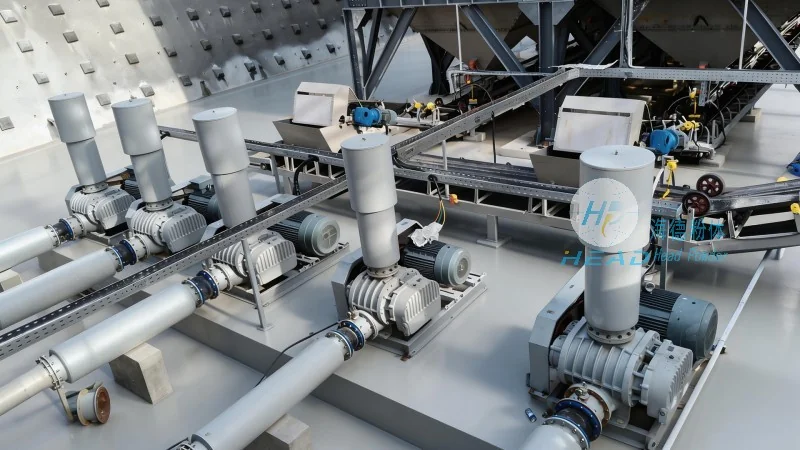
1. Belt Conveyor Systems for Petroleum Coke
Belt conveyors are one of the most common and versatile methods for transporting petroleum coke over short to medium distances. These systems consist of a continuous belt that moves the coke from the source to the destination, often using idlers and pulleys to maintain tension and direction. The primary advantage of belt conveyors is their ability to handle large volumes of material with minimal maintenance. They are particularly effective for horizontal or slightly inclined transport, making them suitable for stockpiling and feeding operations. For instance, in industrial settings, belt conveyors can be integrated with storage silos or processing units, ensuring a steady flow of petroleum coke to downstream equipment. The robust design of these systems also allows them to withstand the abrasive nature of petroleum coke, reducing wear and tear over time.
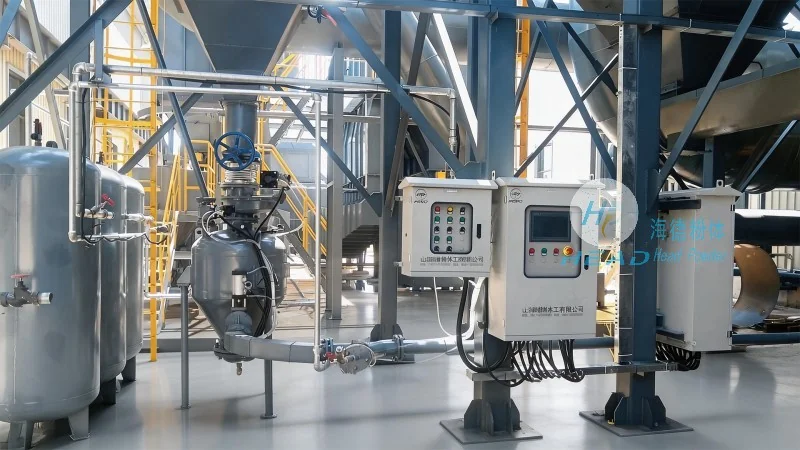
2. Pneumatic Conveying Systems for Petroleum Coke
Pneumatic conveying, or air-based transport, is another popular method for moving petroleum coke, especially over longer distances or in enclosed environments. This technique involves using compressed air to push or pull the coke through a pipeline. There are two main types of pneumatic conveying: dilute-phase and dense-phase. Dilute-phase systems use low air velocity to transport the coke in a relatively dispersed state, while dense-phase systems use higher air velocity to create a more concentrated flow. The choice between these depends on the distance, material characteristics, and desired flow rate. Pneumatic conveying offers advantages such as the ability to transport material vertically and horizontally, reduced dust generation compared to some other methods, and the potential for enclosed systems that minimize environmental impact. However, it requires careful control of air pressure and flow to maintain consistent performance and prevent material degradation.
3. Hydraulic Conveying Systems for Petroleum Coke
Hydraulic conveying, or water-based transport, is a method that uses a slurry of petroleum coke and water to move the material through a pipeline. This approach is particularly useful for long-distance transport, as it can handle steep inclines and large volumes with relatively low energy consumption. The system typically involves mixing the coke with water to create a slurry, which is then pumped through a pipeline to the destination. The primary advantage of hydraulic conveying is its ability to transport material over significant distances with minimal friction, reducing wear on the pipeline and equipment. However, it requires additional equipment for slurry preparation and separation, as the water must be removed before the coke can be used in processing. This method is often used in industries where water is readily available and the distance to be covered is extensive, such as in power plants or large-scale coke processing facilities.
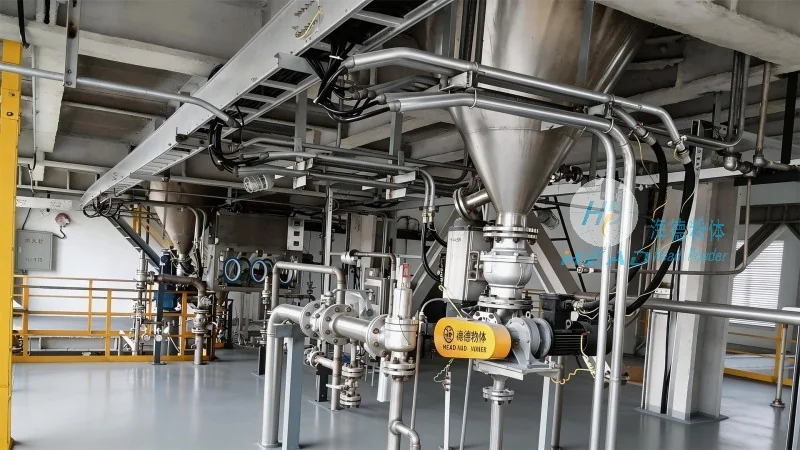
4. Screw Conveyors for Petroleum Coke
Screw conveyors, also known as auger conveyors, are another effective method for transporting petroleum coke, especially in confined spaces or for short-distance horizontal transport. These systems consist of a rotating screw (auger) that moves the material along a trough. The screw's rotation creates a continuous flow of material, and the trough design helps contain the coke and prevent spillage. Screw conveyors are particularly suitable for handling fine or powdery coke, as the screw's design can effectively move material without causing excessive friction or degradation. They are often used in feeding operations, where the coke is transferred from a storage bin to a processing unit. The compact design of screw conveyors makes them ideal for installations with limited space, and they can be easily integrated with other equipment to form a complete conveying system. However, they may not be as efficient for large volumes or steep inclines compared to other methods, and they require regular maintenance to prevent wear on the screw and trough.
5. Hydraulic and Pneumatic Hybrid Systems for Petroleum Coke
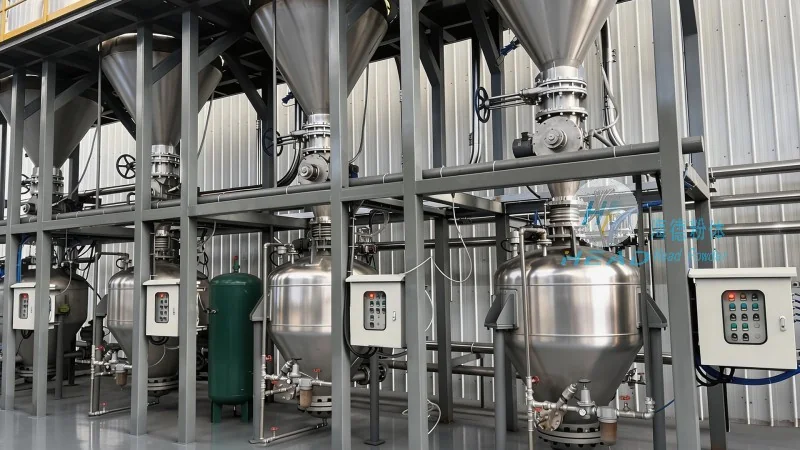
In some cases, companies may opt for hybrid systems that combine elements of hydraulic and pneumatic conveying. For example, a system might use a pneumatic transport for the initial stage of moving coke from the source to a processing area, followed by a hydraulic system for further transport or storage. This approach allows for flexibility in handling different distances and material conditions while optimizing energy use and equipment efficiency. Hybrid systems are particularly useful in complex industrial environments where multiple transport needs exist, such as in refineries or coke processing plants. They can help reduce overall operational costs by leveraging the strengths of each method and minimizing the weaknesses. However, the design and maintenance of hybrid systems can be more complex, requiring specialized expertise to ensure proper operation and prevent issues such as clogging or pressure imbalances.

 Shandong Headpowder Engineering Co., Ltd.
 156-6277-7102(Quản lý Trương)
  0531-83386006
  Thành phố Tế Nam, Tỉnh Sơn Đông, Trung Quốc
Điện thoại
WeChatTư vấn
Lên đầu