

Transport Methods for Ternary Materials
Ternary materials, such as lithium cobalt oxide (NCA), lithium nickel manganese cobalt oxide (NMC), and lithium nickel cobalt aluminum oxide (NCA), are critical components in modern battery technology. The efficient and safe transport of these materials is essential for maintaining production quality and operational safety in manufacturing facilities. This article explores various transport methods used for ternary materials, focusing on the practical applications and considerations for industrial settings.
Understanding Ternary Materials and Their Transport Requirements
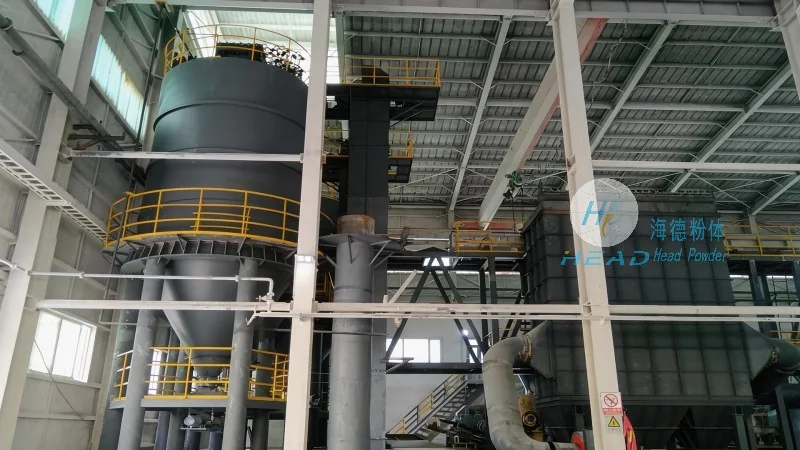
Ternary materials are composite cathode materials used in lithium-ion batteries, known for their balanced performance in energy density, cost, and thermal stability. The transport of these materials requires careful handling due to their sensitivity to moisture, contamination, and physical damage. Different production stages, from raw material handling to final product packaging, demand specialized transport solutions to ensure material integrity and process efficiency.
Common Transport Methods for Ternary Materials
Several transport methods are commonly employed in the handling of ternary materials, each with distinct advantages and applications. The choice of method depends on factors like material properties, production scale, and environmental considerations. Key methods include mechanical conveyors, pneumatic conveying systems, and specialized bulk handling equipment.
Mechanical Conveyors: Traditional and Reliable Solutions
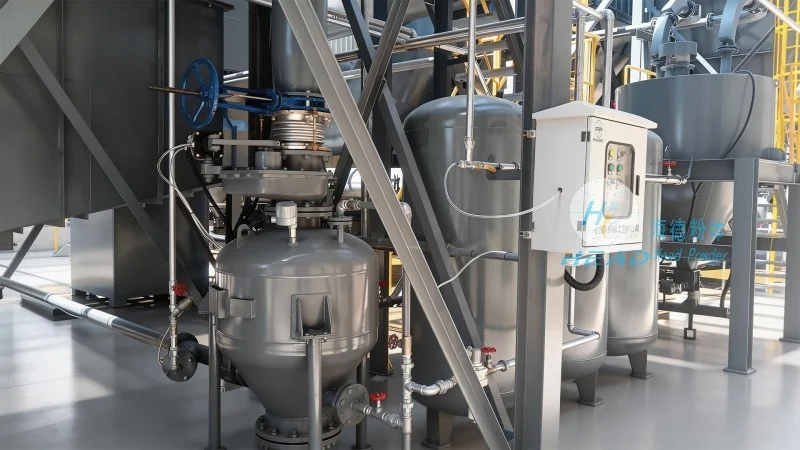
Mechanical conveyors, such as belt conveyors, screw conveyors, and bucket elevators, are widely used for transporting ternary materials in bulk. These systems are robust, cost-effective, and suitable for horizontal or inclined transport over moderate distances. For example, belt conveyors can efficiently move large quantities of powder from storage silos to processing lines, while screw conveyors are ideal for handling materials with a higher moisture content or tendency to clump. The reliability of mechanical conveyors makes them a staple in many battery material production facilities.
Pneumatic Conveying Systems: Efficient and Flexible Solutions
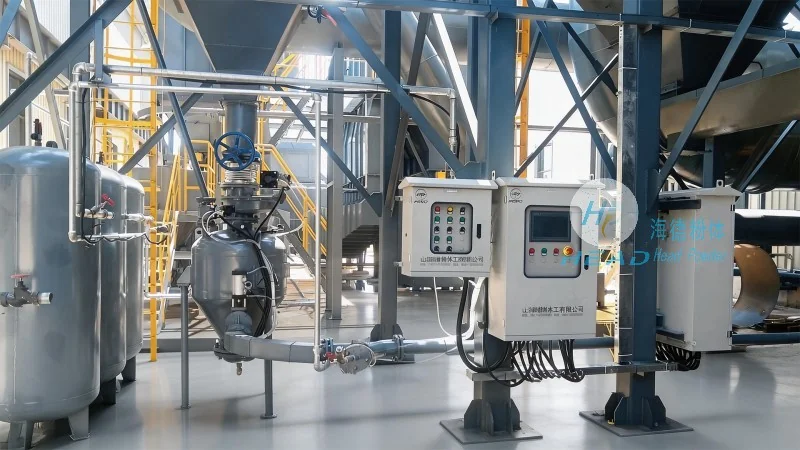
Pneumatic conveying systems use air or other gases to transport materials through a pipeline network. This method offers high flexibility, as it can move materials vertically, horizontally, or in a combination of both, over longer distances with minimal space requirements. There are two main types of pneumatic conveying: pressure and vacuum systems. Pressure systems are suitable for short to medium distances and high material flow rates, while vacuum systems are better for longer distances or when handling fine powders that may be prone to dusting. Pneumatic conveying is particularly advantageous for ternary materials due to its ability to maintain material integrity and prevent contamination during transport.
Specialized Bulk Handling Equipment: Tailored for Ternary Materials
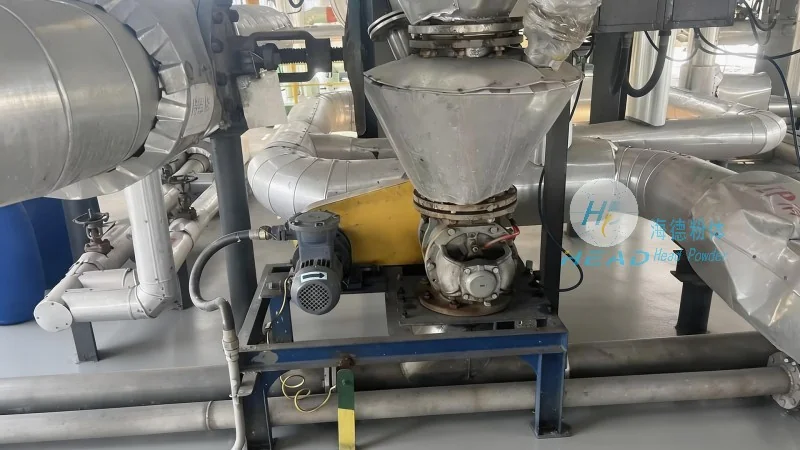
For specific applications, specialized bulk handling equipment is often employed to address unique challenges. For instance, rotary valves and feeder systems are used to control the flow of ternary materials from storage hoppers to processing equipment, ensuring consistent and controlled feed rates. Additionally, vacuum loaders and material transfer units are utilized for transferring materials between different parts of a facility, especially when dealing with sensitive or hazardous materials. These specialized systems are designed to minimize material loss, reduce dust generation, and maintain the purity of ternary materials throughout the transport process.
Considerations for Safe and Efficient Ternary Material Transport
When selecting a transport method for ternary materials, several critical factors must be considered to ensure safety and operational efficiency. First, material properties, including particle size, moisture content, and reactivity, must be evaluated to choose the appropriate equipment. Second, the scale of production and the required throughput determine the capacity and speed of the transport system. Third, environmental factors, such as dust control and air quality, are essential for maintaining a safe working environment. Finally, maintenance and operational costs should be taken into account to ensure long-term reliability and cost-effectiveness.
Conclusion: Choosing the Right Transport Method for Ternary Materials
Efficient transport of ternary materials is a cornerstone of battery material production, directly impacting product quality and operational performance. By understanding the characteristics of ternary materials and the capabilities of different transport methods, manufacturers can select the most suitable solution for their specific needs. Whether using traditional mechanical conveyors, advanced pneumatic systems, or specialized bulk handling equipment, the goal is to maintain material integrity, ensure safety, and optimize production processes. Companies like Shandong HeadPowder Engineering Co., Ltd., with expertise in material handling solutions, provide tailored services to help businesses in the battery industry achieve efficient and reliable transport of ternary materials.