Công ty TNHH Kỹ thuật Headpowder Sơn Đông chuyên vận chuyển khí nén bột và hạt. Nhờ thế mạnh hợp tác doanh nghiệp‑trường‑viện, chúng tôi cung cấp giải pháp vận chuyển kín, không bụi, độ chính xác cao.
When it comes to handling aluminum oxide particles in industrial applications, selecting the right conveying method is crucial for efficiency, safety, and product integrity. As a leading provider in the field, Shandong HeadPowder Engineering Co., Ltd. offers a range of solutions tailored to meet diverse operational needs. This article explores the primary methods for conveying aluminum oxide particles, highlighting their applications and benefits.
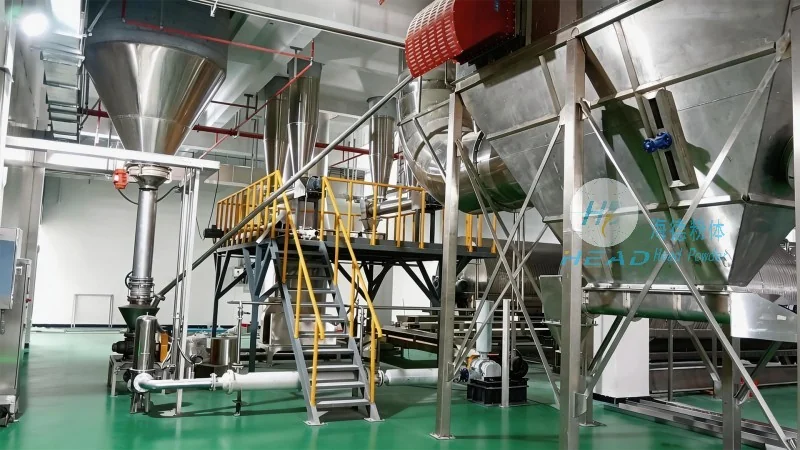
Understanding Aluminum Oxide Particles and Conveying Challenges
Aluminum oxide, commonly known as alumina, is a widely used material in industries such as ceramics, refractories, and chemical processing. Its fine, abrasive nature presents unique challenges during material handling. Conveying aluminum oxide particles requires equipment that can handle high temperatures, abrasive wear, and the potential for dust generation. The choice of conveying method depends on factors like particle size, flow rate, and the distance to be covered. At HeadPowder, we specialize in designing systems that address these challenges effectively.
Common Conveying Methods for Aluminum Oxide Particles
Several methods are commonly employed for transporting aluminum oxide particles. Each method has its advantages and is suitable for specific scenarios. The most prevalent approaches include pneumatic conveying, mechanical screw conveyors, and gravity flow systems.
Pneumatic Conveying Systems
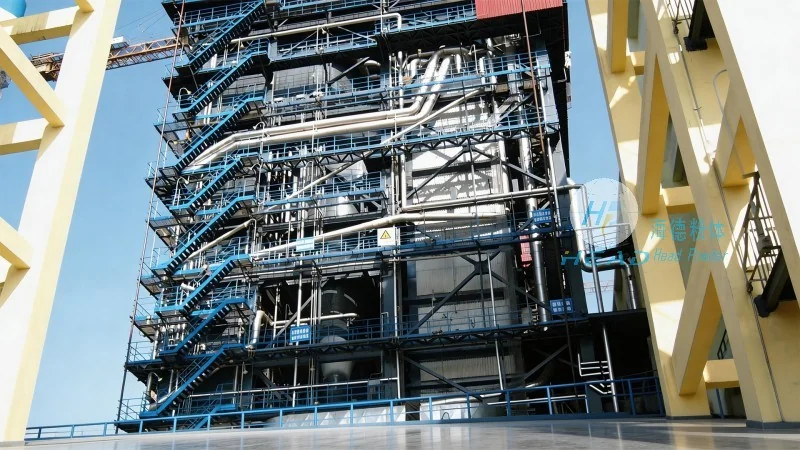
Pneumatic conveying uses air or other gases to transport particles through a pipeline. This method is particularly effective for fine aluminum oxide powders, as it minimizes dust exposure and allows for long-distance transport. There are two main types of pneumatic conveying: pressure and vacuum systems. Pressure systems push material through the pipeline using compressed air, while vacuum systems draw material into the system. At HeadPowder, our pneumatic conveying solutions are engineered to handle the abrasive properties of aluminum oxide, ensuring long service life and reliable operation. The system design considers factors such as particle size distribution, flow rate, and the need for dust collection to maintain environmental compliance.
Mechanical Screw Conveyors
Mechanical screw conveyors, also known as auger conveyors, use a rotating screw to move particles along a trough. This method is ideal for bulk handling of aluminum oxide and is commonly used in processing plants. Screw conveyors are capable of handling a wide range of particle sizes and can operate at various speeds. They are particularly suitable for horizontal or slightly inclined transport. The design of the screw and trough is critical to prevent material buildup and ensure smooth flow. HeadPowder's screw conveyors are constructed with durable materials, such as stainless steel or high-grade alloys, to withstand the abrasive nature of aluminum oxide. The system includes features like variable speed drives and material discharge mechanisms to optimize performance.
Gravity Flow Conveying
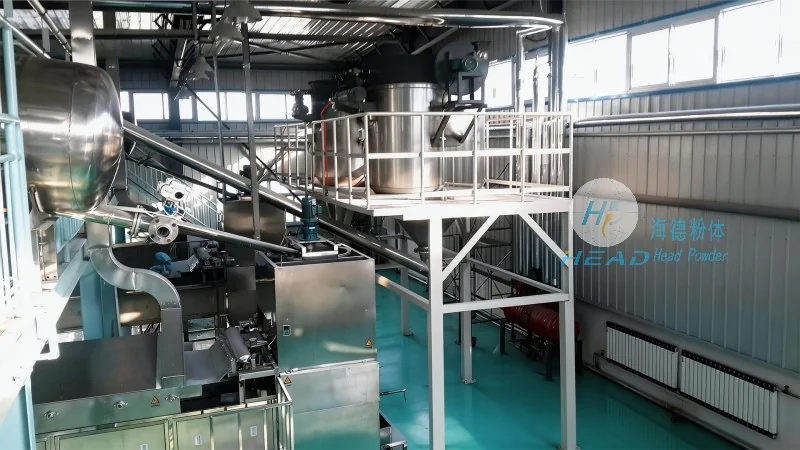
Gravity flow systems rely on the natural force of gravity to move particles from a higher to a lower elevation. This method is simple and cost-effective for short distances and when the material has a sufficient angle of repose. For aluminum oxide particles, gravity conveyors are often used in conjunction with other equipment, such as hoppers and chutes. The design of the chute and hopper is essential to prevent material bridging and ensure consistent flow. HeadPowder offers gravity flow solutions that are tailored to the specific characteristics of aluminum oxide, ensuring reliable operation and minimal maintenance.
Choosing the Right Conveying Method for Your Application
When selecting a conveying method for aluminum oxide particles, it is essential to consider several factors. The first is the particle size and density, as these affect the flow characteristics and the choice of equipment. For example, fine powders may require pneumatic conveying, while larger granules may be better suited for screw conveyors. The distance to be covered is another critical factor. Short distances may allow for gravity flow, while longer distances necessitate pneumatic or mechanical systems. Additionally, the need for dust control and environmental compliance should be evaluated. At Shandong HeadPowder Engineering Co., Ltd., our team of experts works closely with clients to assess their specific requirements and recommend the most suitable conveying solution. We provide customized designs that integrate the chosen method with other processing equipment, ensuring seamless operation and optimal performance.
Conclusion
In conclusion, the effective conveying of aluminum oxide particles requires careful consideration of the material's properties and the operational requirements. Pneumatic conveying, mechanical screw conveyors, and gravity flow systems are the primary methods used in industrial applications. Each method has its advantages and is suitable for specific scenarios. By selecting the right conveying method and equipment, industries can improve efficiency, reduce costs, and maintain product quality. As a trusted partner in the field, Shandong HeadPowder Engineering Co., Ltd. offers comprehensive solutions that address the unique challenges of aluminum oxide particle handling. Our expertise in designing and manufacturing conveying systems ensures that clients receive reliable, efficient, and cost-effective solutions tailored to their needs.

 Shandong Headpowder Engineering Co., Ltd.
 156-6277-7102(Quản lý Trương)
  0531-83386006
  Thành phố Tế Nam, Tỉnh Sơn Đông, Trung Quốc
Điện thoại
WeChatTư vấn
Lên đầu