Công ty TNHH Kỹ thuật Headpowder Sơn Đông chuyên vận chuyển khí nén bột và hạt. Nhờ thế mạnh hợp tác doanh nghiệp‑trường‑viện, chúng tôi cung cấp giải pháp vận chuyển kín, không bụi, độ chính xác cao.
Coal ash, a byproduct of coal combustion in power plants and industrial facilities, requires efficient and reliable transportation systems to manage its disposal and utilization. The methods used for coal ash conveying vary based on factors such as the ash's physical properties, the distance to be covered, and the specific application requirements. This article explores the primary methods employed in the industry, providing insights into each approach's advantages and practical applications.
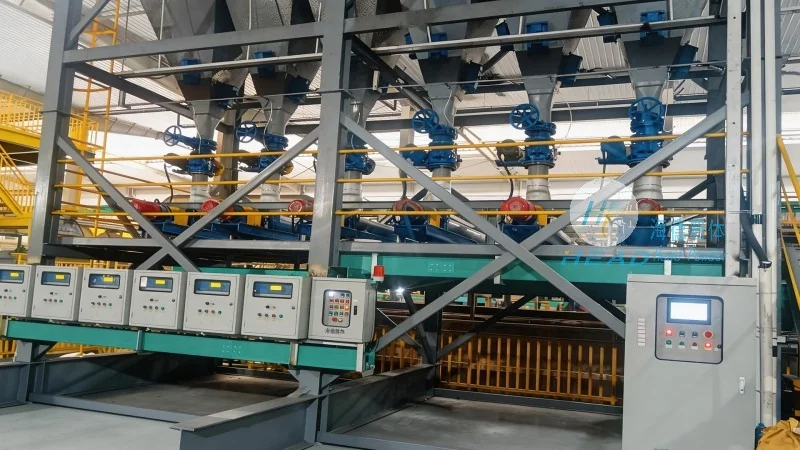
1. Mechanical Conveying Systems
Mechanical conveying systems are among the most common and effective methods for transporting coal ash. These systems utilize mechanical components to move the material from one location to another. The most widely used equipment in this category includes belt conveyors, screw conveyors, and bucket elevators. Belt conveyors, for instance, are ideal for long-distance horizontal or slight incline transport, capable of handling large volumes of ash with minimal maintenance. They are particularly suitable for applications where the ash is in a dry or semi-dry state. Screw conveyors, on the other hand, are well-suited for vertical or inclined transport, often used in confined spaces where space is limited. These systems are robust and can handle abrasive materials like coal ash, ensuring consistent performance over extended periods. The choice between belt and screw conveyors depends on the specific operational conditions and the nature of the ash being transported.
2. Gravity Conveying
Gravity conveying is a cost-effective method that relies on the natural force of gravity to move coal ash from higher to lower elevations. This approach is particularly advantageous in scenarios where the ash is to be transported over short vertical distances or when the layout of the facility allows for a natural slope. Chute systems are commonly used in gravity conveying, where the ash flows through a sloped channel due to gravity. This method eliminates the need for additional power sources, reducing operational costs and energy consumption. However, gravity conveying is limited by the need for a suitable topography and may not be feasible for long horizontal distances or complex layouts. It is often used in conjunction with other conveying methods to handle the initial or final stages of ash transport.
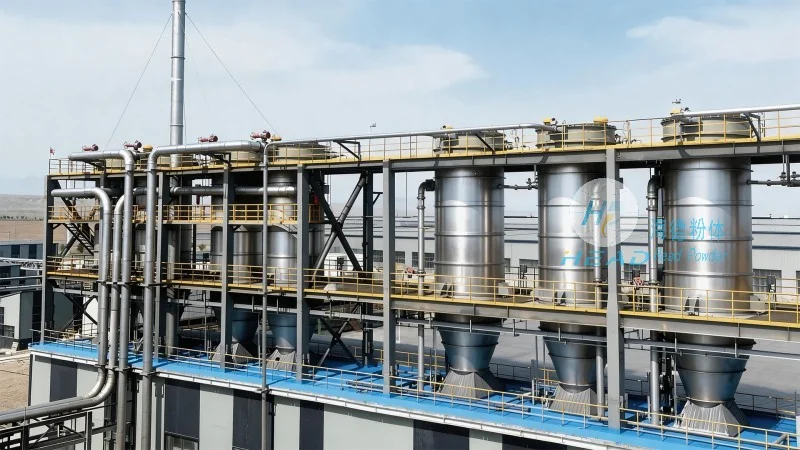
3. Pneumatic Conveying
Pneumatic conveying systems use air or gas to transport coal ash through a pipeline network. This method is highly versatile and can handle both dry and wet ash, making it suitable for a wide range of applications. There are two main types of pneumatic conveying: positive pressure and negative pressure. Positive pressure systems force air through the pipeline, pushing the ash along, while negative pressure systems create a vacuum to draw the ash into the system. Pneumatic conveyors are particularly effective for long-distance transport, as they can move ash over several kilometers without the need for intermediate transfer points. They are also well-suited for transporting ash in a fine or powdery form, which may be difficult to handle with mechanical systems. However, pneumatic conveying requires careful consideration of air pressure and flow rates to ensure efficient and reliable operation. The system's design must account for the ash's particle size and moisture content to prevent blockages or system inefficiencies.
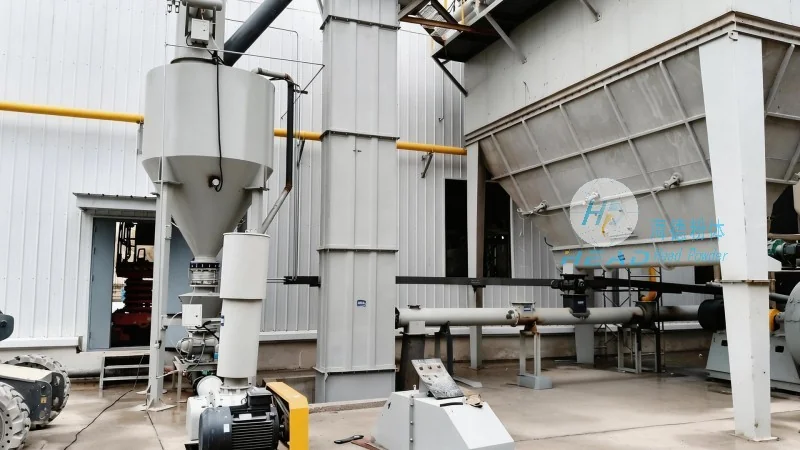
4. Hydraulic Conveying
Hydraulic conveying is another method that uses water to transport coal ash. This approach is typically employed when the ash is in a slurry form, where it is mixed with water to create a fluid that can be pumped through pipelines. Hydraulic systems are effective for long-distance transport and can handle large volumes of ash. They are particularly useful in applications where the ash needs to be transported to a disposal site or a processing facility. The main advantage of hydraulic conveying is its ability to transport ash over long distances with minimal energy consumption compared to pneumatic systems. However, this method requires additional equipment for ash-water separation and dewatering, which can increase operational complexity and costs. The system must also be designed to handle the abrasive nature of coal ash, as it can cause wear and tear on the pipelines and pumps over time.
5. Combination Systems
In many industrial settings, a single conveying method may not be sufficient to meet all the operational requirements. As a result, combination systems are often employed, integrating multiple technologies to achieve optimal performance. For example, a facility might use a belt conveyor for initial transport, followed by a pneumatic system for long-distance transport, and then a hydraulic system for final disposal. These hybrid systems allow for flexibility and adaptability, ensuring that the ash is transported efficiently and safely under varying conditions. The design of combination systems requires careful planning and coordination to ensure smooth operation and minimal downtime. They are particularly common in large-scale power plants and industrial complexes where the volume of ash generated is substantial.
6. Factors Influencing Conveying Method Selection

The choice of coal ash conveying method is influenced by several key factors, including the ash's physical properties, the distance to be covered, the required throughput, and the available space. The physical properties of the ash, such as its particle size, moisture content, and density, play a critical role in determining the most suitable method. For example, fine ash with high moisture content may be better suited for pneumatic or hydraulic systems, while coarse ash may be more effectively handled by mechanical systems. The distance to be covered also impacts the choice, as long-distance transport may require pneumatic or hydraulic systems, while short distances can be managed with gravity or mechanical systems. The required throughput is another important consideration, as different systems have varying capacities and can handle different volumes of ash. Finally, the available space and layout of the facility must be considered, as some systems require more space than others. For instance, belt conveyors may require a significant amount of horizontal space, while screw conveyors can be installed in vertical or confined spaces.
7. Conclusion
Coal ash conveying is a critical aspect of managing the byproducts of coal combustion. The selection of an appropriate conveying method is essential to ensure efficient, reliable, and cost-effective transport. Mechanical systems, gravity systems, pneumatic systems, hydraulic systems, and combination systems each offer unique advantages and are suitable for different applications. By carefully evaluating the specific requirements of the operation, such as the ash's properties, the distance to be covered, and the available resources, facilities can choose the most appropriate conveying method. This approach not only ensures the safe and efficient transport of coal ash but also contributes to the overall sustainability and environmental compliance of the facility. As the industry continues to evolve, advancements in conveying technology will likely lead to more efficient and environmentally friendly methods, further improving the management of coal ash.

 Shandong Headpowder Engineering Co., Ltd.
 156-6277-7102(Quản lý Trương)
  0531-83386006
  Thành phố Tế Nam, Tỉnh Sơn Đông, Trung Quốc
Điện thoại
WeChatTư vấn
Lên đầu