

How Are White Mud Transportation Methods?
White mud, a byproduct of the papermaking process, requires efficient and reliable transportation methods to ensure smooth industrial operations. The choice of transportation method depends on various factors such as the volume of mud, distance to be transported, and the specific characteristics of the mud itself. In this article, we explore the common methods used for white mud transportation, providing insights into their applications and benefits.
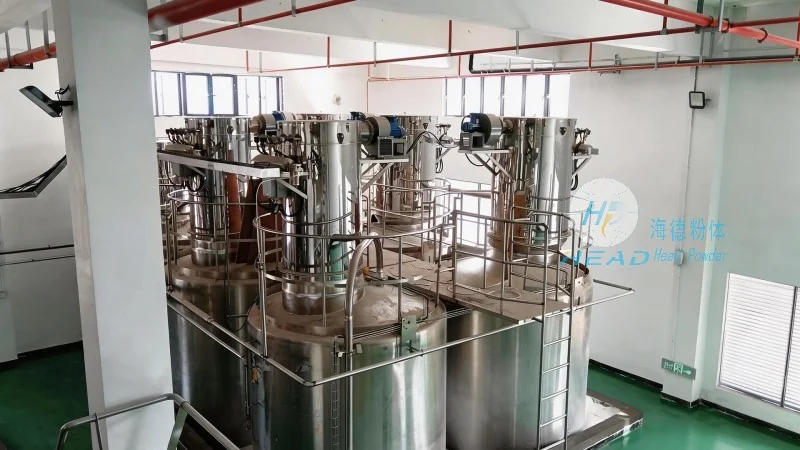
Common Transportation Methods for White Mud
Several methods are widely used in the industry to transport white mud from the production site to storage or treatment facilities. The primary methods include pipeline transportation, pump-assisted systems, and conveyor belt systems. Each method has its own advantages and is suitable for different scenarios.
Pipeline Transportation
Pipeline transportation is a popular choice for moving large volumes of white mud over long distances. This method involves using a network of pipes to carry the mud from the source to the destination. The system typically includes pumps to maintain the flow and pressure, ensuring that the mud moves efficiently without clogging. The use of pipelines minimizes the need for manual handling and reduces the risk of contamination, making it an ideal solution for continuous and high-volume operations.
Pump-Assisted Systems
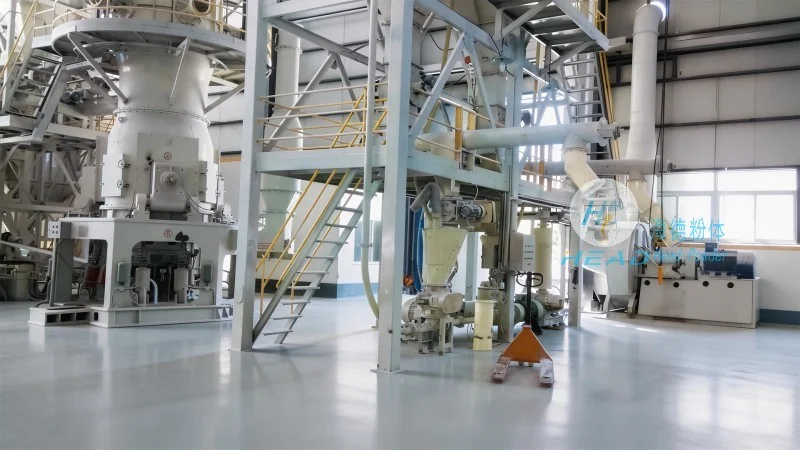
Pump-assisted transportation is another effective method, especially when the distance is moderate or when the mud has a high viscosity. These systems utilize centrifugal or positive displacement pumps to move the mud through pipelines or hoses. The choice of pump depends on the specific properties of the white mud, such as its density and solids content. Proper maintenance of the pumps is crucial to prevent wear and tear, ensuring consistent performance and longevity of the equipment.
Conveyor Belt Systems
For shorter distances or when the mud is in a semi-solid state, conveyor belt systems are often employed. These systems consist of a belt that moves the white mud along a path, supported by rollers or a frame. The design of the conveyor can be customized to handle different types of mud, with adjustable speeds and inclines to optimize the transport process. Conveyor belts are particularly useful in situations where the mud needs to be transported to a specific location for further processing or disposal.
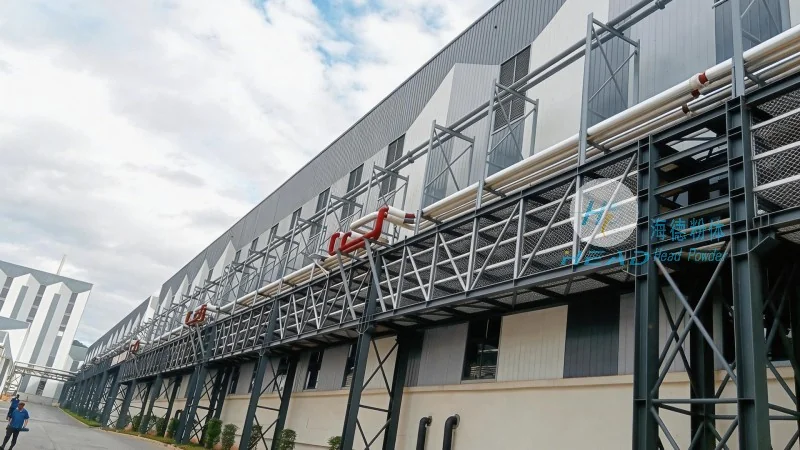
Factors Influencing the Choice of Transportation Method
The selection of the most appropriate white mud transportation method is influenced by several key factors. The volume and consistency of the mud are primary considerations, as they determine the capacity and type of equipment required. The distance between the production and treatment facilities also plays a significant role, as longer distances may necessitate more robust systems like pipelines. Additionally, the environmental regulations and safety standards in the area can impact the choice, as some methods may require additional measures to prevent spills or leaks.
Company Profile: Shandong HeadPowder Engineering Co., Ltd.
Shandong HeadPowder Engineering Co., Ltd., a leading provider in the field, specializes in the design, manufacturing, and installation of white mud transportation systems. With years of experience and a commitment to quality, the company offers customized solutions tailored to the specific needs of each client. HeadPowder's expertise in industrial engineering ensures that their systems are efficient, reliable, and compliant with industry standards. The company's headquarters is located in Shandong, China, where they leverage local resources and expertise to deliver top-notch products and services to the global market.