

How to Transport Copper Sulfate
Transporting copper sulfate requires careful consideration of various factors, including the chemical's properties, the scale of operation, and logistical constraints. Copper sulfate, a widely used compound in agriculture, water treatment, and industrial processes, demands specialized handling to maintain its effectiveness and ensure safety during transit. The selection of an appropriate transport method is critical for minimizing risks and optimizing efficiency in the supply chain.
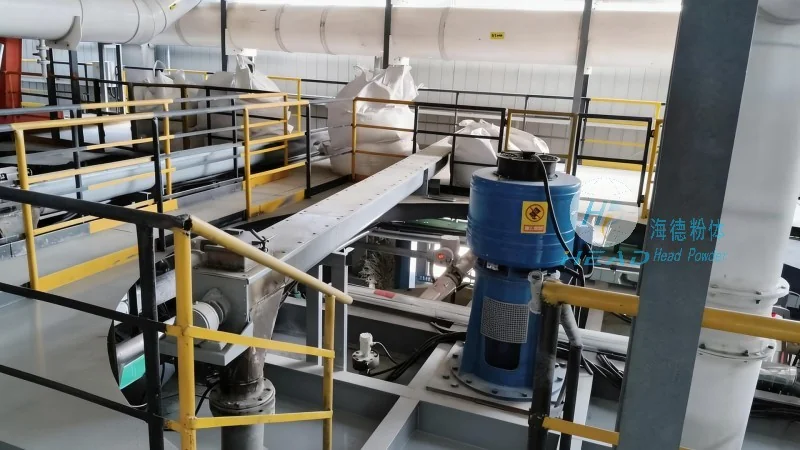
Overview of Copper Sulfate Transport Options
Several methods are commonly employed for the transportation of copper sulfate, each with its own advantages and limitations. These methods range from bulk pipeline systems to packaged solutions, tailored to meet the specific needs of different industries and applications. Understanding these options is essential for businesses to choose the most suitable approach for their operations.
Pipeline Transport for Industrial Applications
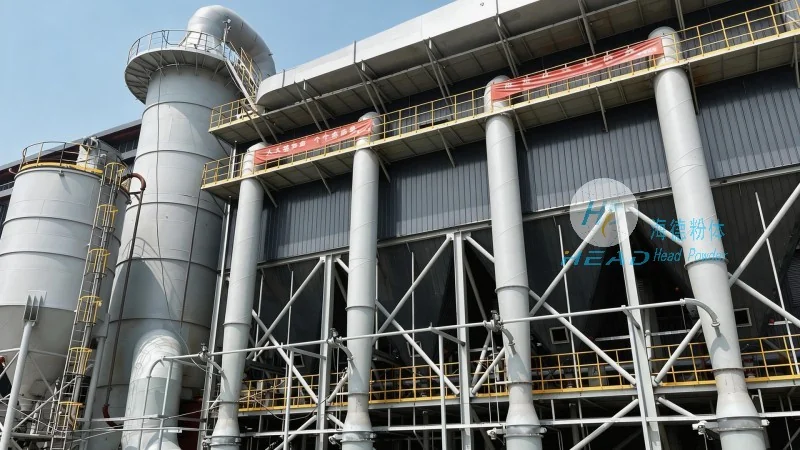
Pipeline transport is a highly efficient method for moving large volumes of copper sulfate in industrial settings. This approach is particularly useful in water treatment plants, manufacturing facilities, and large-scale agricultural operations where continuous flow is required. Dedicated pipelines, often made of corrosion-resistant materials such as PVC or stainless steel, are designed to handle the chemical's properties, ensuring minimal degradation during transit. The use of pipelines allows for precise control over the flow rate and pressure, enabling consistent dosing in processes like algae control in water treatment or fungicide application in agriculture. However, the initial investment and maintenance costs for pipeline systems can be significant, making this option more suitable for large-scale operations with existing infrastructure.
Bulk Pumping and Handling Systems
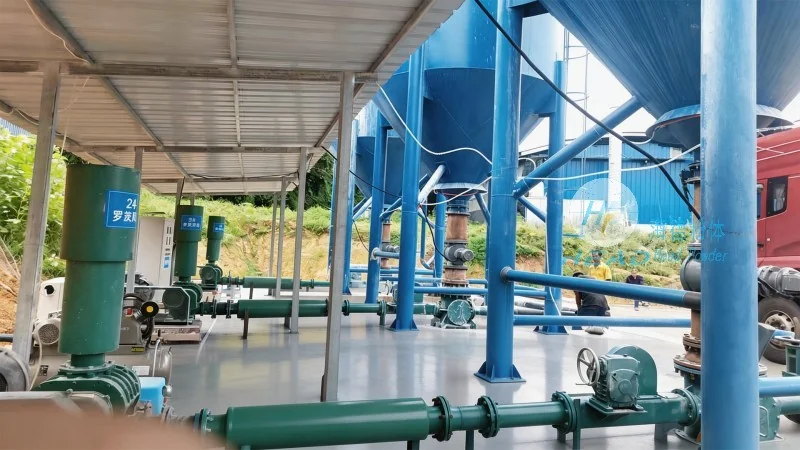
For bulk transportation, pump systems are commonly utilized to move copper sulfate from storage tanks to processing units or delivery points. Centrifugal pumps or positive displacement pumps are typically employed, depending on the viscosity and flow rate requirements. These systems are engineered to handle the chemical's characteristics, ensuring smooth and consistent transport. The choice of pump type affects the efficiency and reliability of the system; for example, positive displacement pumps are preferred for high-viscosity liquids, while centrifugal pumps are suitable for lower viscosity applications. Proper maintenance of pump systems is crucial to prevent corrosion and ensure long-term performance. Regular inspections and cleaning of pump components help maintain the integrity of the copper sulfate and prevent contamination.
Packaged Transportation for Smaller Quantities
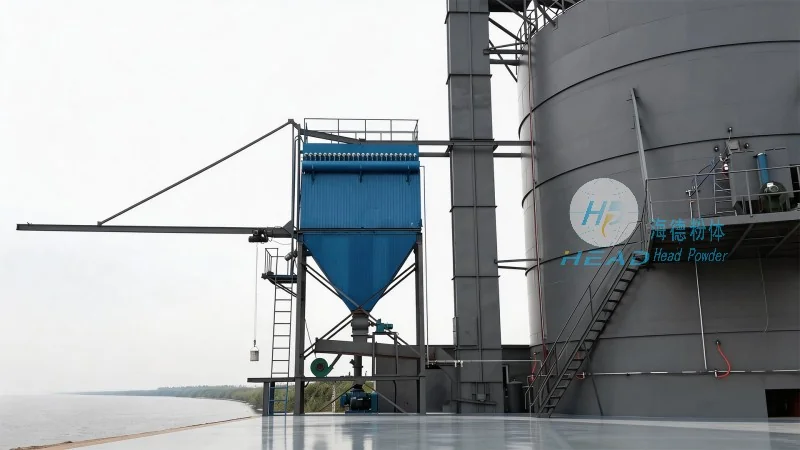
In many cases, copper sulfate is transported in packaged form, such as in drums, bags, or containers, especially for smaller-scale operations or distribution to end-users. The packaging must meet specific safety and handling standards to prevent leaks or spills during transit. Drums made of stainless steel or coated steel are commonly used to store and transport copper sulfate, as they provide excellent resistance to corrosion and chemical attack. Bags made of polyethylene or other protective materials are also employed, particularly for bulk storage and handling. The choice of packaging depends on the intended use and environmental conditions during transport. For example, in agricultural settings, bags may be used for field application, while in industrial settings, drums may be preferred for processing. Proper labeling and handling instructions are essential to ensure that the chemical is used safely and effectively.
Specialized Transport Solutions for Challenging Environments
For specialized applications, such as transporting copper sulfate in remote or challenging environments, specialized transport solutions may be required. This could include the use of tank trucks or railcars equipped with appropriate liners to prevent chemical interaction with the container. In some cases, refrigerated or temperature-controlled transport may be necessary if the copper sulfate is sensitive to temperature changes. These specialized methods ensure that the chemical remains stable and effective throughout the transportation process, even under adverse conditions. Companies like Shandong HeadPowder Engineering Co., Ltd., based in China, offer expertise in designing and implementing these specialized transport solutions, ensuring that clients meet regulatory requirements while optimizing their operational efficiency.
Regulatory Compliance and Safety Protocols
Compliance with regulatory standards is paramount when transporting copper sulfate. As a hazardous material, copper sulfate is subject to guidelines set by organizations like the International Maritime Organization (IMO) and the U.S. Department of Transportation (DOT). Proper labeling, documentation, and adherence to safety protocols are essential to prevent accidents or environmental contamination. Companies involved in the transport of copper sulfate must ensure that all personnel are trained in handling and emergency procedures. This includes understanding the chemical's properties, such as its toxicity and corrosiveness, and knowing how to respond in case of spills or leaks. The use of personal protective equipment (PPE) and proper ventilation systems is also critical to maintaining a safe working environment.
Conclusion
In conclusion, the transportation of copper sulfate involves a range of methods tailored to the specific needs of different industries and applications. From pipeline systems to packaged solutions, each method has its own advantages and limitations. The choice of transport method depends on factors such as volume, location, and regulatory requirements. Companies like Shandong HeadPowder Engineering Co., Ltd., play a vital role in providing expertise and solutions for the safe and efficient transport of copper sulfate, ensuring that businesses can meet their operational needs while adhering to safety and regulatory standards. By understanding the various transport options and adhering to best practices, companies can optimize their supply chain and ensure the effective use of copper sulfate in their processes.