

How to Transport Iron Oxide Powder?
When it comes to handling and transporting iron oxide powder, selecting the right method is crucial for efficiency, safety, and cost-effectiveness. Iron oxide powders, such as hematite or magnetite, are widely used in various industries including pigments, coatings, and ceramics. The choice of transport method depends on factors like powder characteristics, required throughput, and the distance over which the material needs to be moved. In this article, we explore the common methods for transporting iron oxide powder, with a focus on practical applications and considerations for industrial operations.
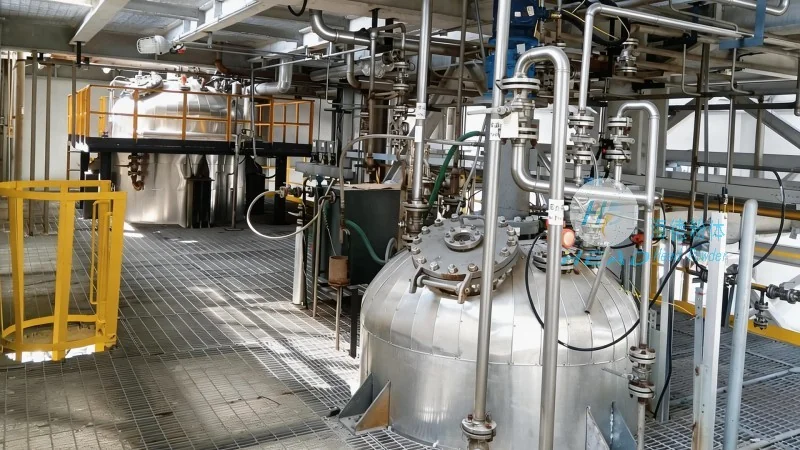
Understanding the Importance of Proper Iron Oxide Powder Transport
Iron oxide powders are fine, dry materials that can present unique challenges during transport. These challenges include dust generation, caking, and the need for containment to prevent environmental contamination. Effective transport systems must address these issues while ensuring minimal loss and consistent material flow. For businesses in the iron oxide industry, investing in the right transport technology can significantly improve operational efficiency and product quality. The following sections will delve into the most common and effective methods used to move iron oxide powder from one location to another.
Key Considerations Before Choosing a Transport Method
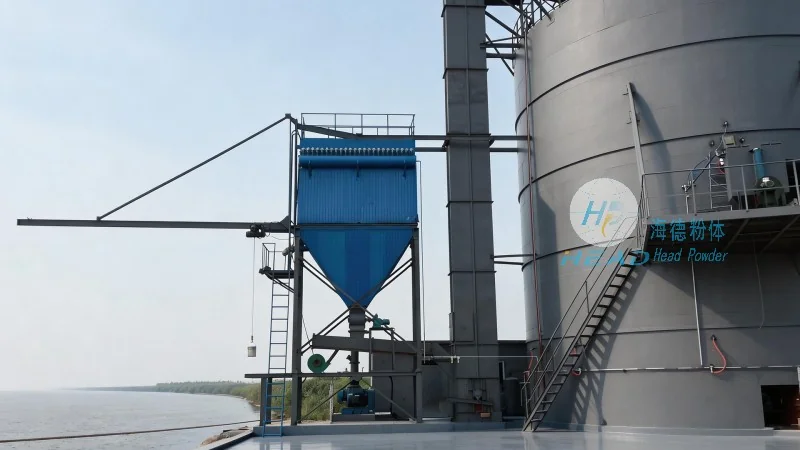
Before selecting a transport method for iron oxide powder, several factors must be evaluated. First, the physical properties of the powder, such as particle size, moisture content, and bulk density, play a critical role. Larger particles may require different equipment than fine powders, which are more prone to dust and caking. Second, the distance and layout of the facility or site are important. Short-distance transport within a plant may use different equipment compared to long-distance transport to a storage or processing facility. Third, regulatory requirements and environmental considerations must be taken into account. Many regions have strict guidelines regarding dust emissions and material containment, which can influence the choice of transport system. By carefully assessing these factors, companies can select a transport method that meets both operational and compliance needs.
Common Methods for Iron Oxide Powder Transport
Several methods are commonly used for transporting iron oxide powder, each with its own advantages and limitations. The most widely used methods include pneumatic conveying, screw conveyors, and pump systems. Pneumatic conveying involves using air pressure to move the powder through a pipeline. This method is ideal for fine powders and can handle long distances with minimal material degradation. However, it requires a well-designed system to manage air flow and prevent pressure drops that could lead to blockages. Screw conveyors, on the other hand, use rotating screws to move the powder along a trough. This method is suitable for moderate to high volumes and is often used for horizontal or slight incline transport. Screw conveyors are relatively simple and low-maintenance, making them a popular choice for many industrial applications. Pump systems, such as slurry pumps or positive displacement pumps, are used when the iron oxide powder is mixed with a liquid to form a slurry. This method is effective for long-distance transport over pipelines and can handle high volumes efficiently. However, it requires careful control of the slurry consistency to prevent clogging and ensure smooth operation.
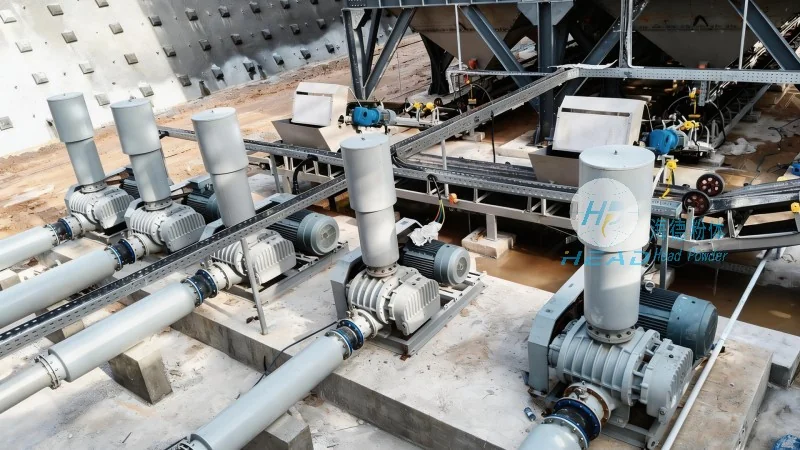
Pneumatic Conveying Systems for Iron Oxide Powder
Pneumatic conveying is a popular choice for transporting iron oxide powder due to its ability to handle fine particles and long distances. There are two main types of pneumatic conveying systems: pressure and vacuum. Pressure systems use compressed air to push the powder through the pipeline, while vacuum systems use a vacuum to pull the powder. The choice between these systems depends on the distance and layout of the facility. For short distances, pressure systems are often more efficient, as they require less energy and can handle higher material loads. For longer distances, vacuum systems may be more suitable, as they can maintain a consistent flow over greater distances. In pneumatic conveying, the iron oxide powder is typically fed into the pipeline at a controlled rate, and the air flow is adjusted to maintain a stable velocity. This ensures that the powder moves smoothly without clogging or causing pressure drops. The system also includes filters and cyclones to separate the powder from the air, preventing dust emissions and ensuring compliance with environmental regulations. Pneumatic conveying systems are commonly used in the iron oxide industry for both internal plant transport and long-distance delivery to customers or processing facilities.
Screw Conveyors and Their Applications
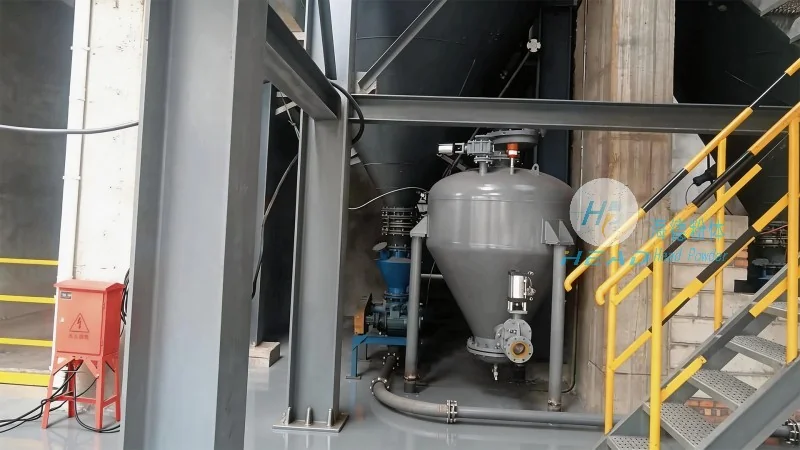
Screw conveyors are a reliable and cost-effective method for transporting iron oxide powder, especially for moderate volumes and short to medium distances. These systems consist of a rotating screw inside a trough, which moves the powder along the length of the conveyor. The screw design, including the pitch and diameter, is tailored to the specific characteristics of the iron oxide powder. For example, a coarser powder may require a larger pitch to prevent clogging, while a fine powder may need a smaller pitch to maintain consistent flow. Screw conveyors are often used in conjunction with other equipment, such as hoppers and feeders, to ensure a steady supply of material. They are particularly useful for horizontal or slight incline transport, as they can handle both dry and slightly moist powders. The main advantages of screw conveyors include their simplicity, low maintenance, and ability to operate in a variety of environments. However, they may not be suitable for very fine powders, as these can cause excessive wear on the screw and trough. Additionally, screw conveyors are limited in their ability to handle long distances, as the material may settle and cause blockages over time.
Slurry Pumping for Iron Oxide Powder Transport
When iron oxide powder needs to be transported over long distances or through complex pipelines, slurry pumping is often the preferred method. This involves mixing the powder with a liquid, such as water or a carrier fluid, to form a slurry. The slurry is then pumped through pipelines using positive displacement pumps or centrifugal pumps. The consistency of the slurry is critical to the success of this method, as it must be thick enough to prevent clogging but thin enough to flow smoothly. The pump selection depends on the slurry properties, including viscosity, density, and particle size. Positive displacement pumps, such as gear pumps or piston pumps, are ideal for high-viscosity slurries, as they provide a constant flow rate regardless of pressure changes. Centrifugal pumps, on the other hand, are more suitable for lower-viscosity slurries and can handle larger volumes more efficiently. Slurry pumping systems typically include a mixing tank, pump, and pipeline network, with filters and cyclones to remove any solids that may settle out. This method is commonly used in the iron oxide industry for transporting material from mines to processing plants or for long-distance delivery to customers. It offers the advantage of being able to handle large volumes over long distances with minimal equipment, but it requires careful control of the slurry consistency to avoid clogging and ensure efficient operation.
Choosing the Right Transport System for Your Iron Oxide Powder Needs
After evaluating the various transport methods, selecting the right system for your iron oxide powder operation requires a comprehensive approach. The key is to balance the operational requirements with the cost and maintenance considerations. For example, if the facility has limited space and requires short-distance transport, a screw conveyor may be the most cost-effective solution. However, if the powder needs to be transported over long distances or to remote locations, pneumatic conveying or slurry pumping may be more suitable. It is also important to consider the specific characteristics of the iron oxide powder, such as particle size and moisture content, as these can impact the performance of different transport systems. Consulting with experts in the field, such as Shandong HeadPowder Engineering Co., Ltd., can provide valuable insights into the best transport solutions for your specific needs. Shandong HeadPowder Engineering Co., Ltd., a leading company based in China, specializes in providing customized transport solutions for iron oxide powders and other industrial materials. With years of experience and a deep understanding of the industry, they can help businesses select and implement the most efficient and effective transport systems. By working with a reputable company like HeadPowder, you can ensure that your iron oxide powder is transported safely, efficiently, and in compliance with all relevant regulations.