

What are the methods for transporting fly ash particles?
For the efficient handling and transportation of fly ash particles, various methods are employed by industries to ensure safety, efficiency, and compliance with environmental standards. The choice of transport method depends on factors such as the volume of material, distance to be covered, and the specific characteristics of the fly ash, including its moisture content and particle size. In this article, we explore the primary methods used for fly ash particle transport, highlighting the technologies and considerations involved in each approach.
Company Introduction
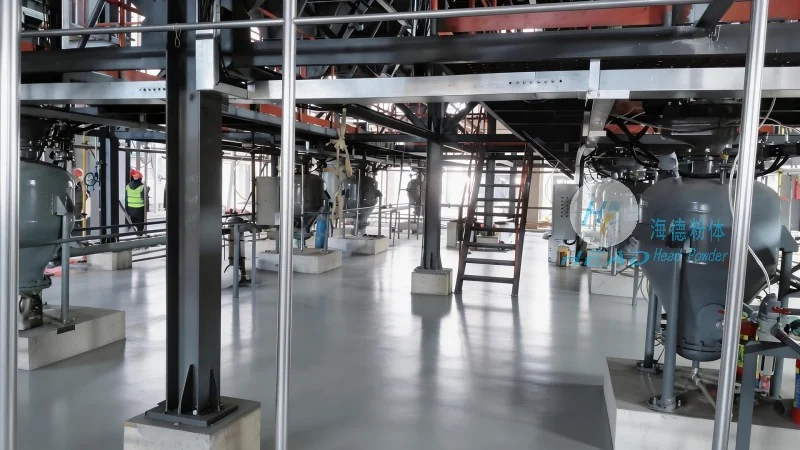
HeadPowder, a leading provider in the field, specializes in solutions for the handling and transport of industrial materials like fly ash. With a strong presence in Shandong, China, the company offers tailored systems that meet the unique needs of clients across different sectors. The company’s expertise lies in designing and implementing reliable transport solutions that enhance operational efficiency while adhering to industry best practices.
Pipeline Transport
One of the most common methods for transporting fly ash particles is through pipelines. This approach involves conveying the material using air or pneumatic systems, where the fly ash is carried in a stream of air under pressure. The pipeline transport method is particularly effective for long-distance transport and can handle large volumes of material with minimal human intervention. The system typically includes a hopper to feed the fly ash into the pipeline, a compressor to generate the necessary air pressure, and a receiver at the destination to collect the material. This method ensures a continuous flow of material, reducing the risk of spills and contamination. HeadPowder’s expertise in pipeline design allows for the optimization of air flow and pressure to maximize efficiency and minimize energy consumption.
Belt Conveyor Transport
Another widely used method is the use of belt conveyors. Belt conveyors are mechanical systems that use a continuous belt to transport fly ash particles from one location to another. This method is suitable for both short and medium distances and can handle a wide range of particle sizes. The conveyor belt is typically made of durable materials, such as rubber or PVC, to withstand the abrasive nature of fly ash. The system includes a feeding mechanism, a drive unit, and a discharge point. Belt conveyors are often preferred for their simplicity and low maintenance requirements. HeadPowder provides customized belt conveyor solutions that can be integrated with existing infrastructure, ensuring seamless operation and minimal downtime.
Pneumatic Conveying Systems
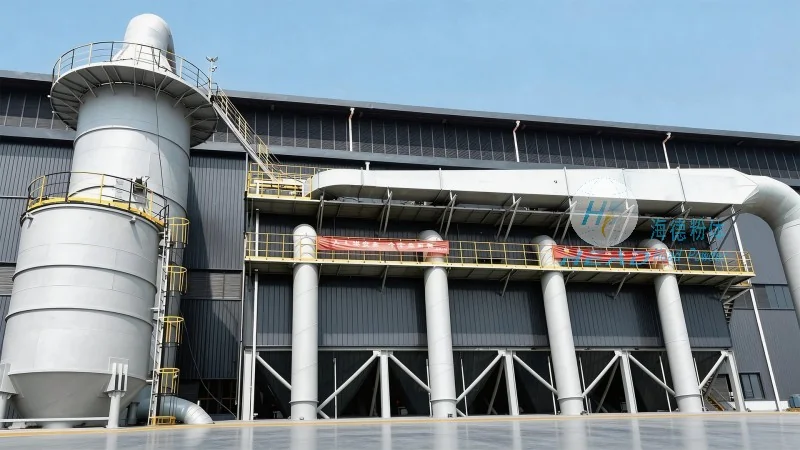
Pneumatic conveying systems are another effective method for transporting fly ash particles. These systems use compressed air to move the material through a network of pipes. There are two main types of pneumatic conveying: dilute phase and dense phase. Dilute phase systems use low air pressure and high air velocity to transport the material, while dense phase systems use higher air pressure and lower velocity to ensure more efficient transport, especially for fine particles. Pneumatic conveying offers advantages such as the ability to transport material vertically and horizontally, and the flexibility to route the system around obstacles. HeadPowder’s pneumatic conveying solutions are designed to handle varying particle sizes and moisture levels, ensuring consistent performance and reliability.
Truck and Rail Transport
For shorter distances or when transporting to off-site locations, truck and rail transport are common methods. Trucks equipped with specialized containers or hoppers are used to transport fly ash particles to disposal sites or processing facilities. Rail transport involves using hopper cars that are specifically designed to carry bulk materials like fly ash. These methods are suitable for transporting larger volumes of material over longer distances and can be integrated with other logistics systems. HeadPowder’s experience in logistics planning ensures that transport by truck or rail is optimized for efficiency and cost-effectiveness, while maintaining compliance with transportation regulations.
Factors Influencing Transport Method Selection
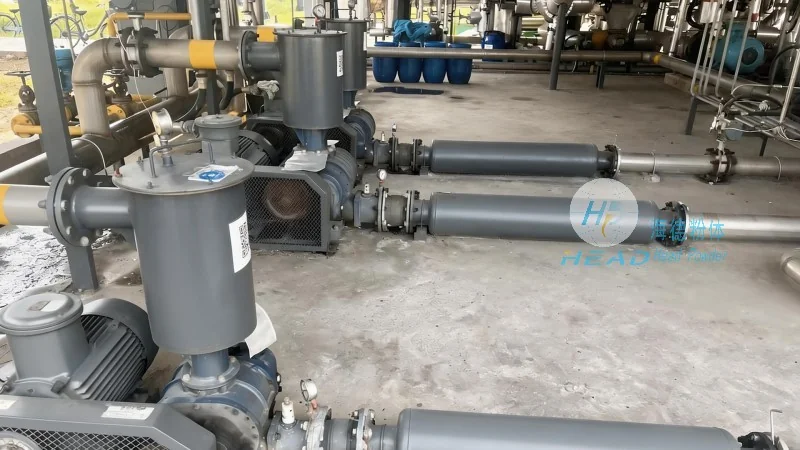
The choice of transport method for fly ash particles is influenced by several factors. The distance to be covered is a primary consideration, as long-distance transport may require more complex systems like pipelines or rail. The volume of material to be transported also plays a role, as larger volumes may necessitate the use of belt conveyors or multiple trucks. The characteristics of the fly ash, such as its moisture content and particle size, affect the suitability of different transport methods. For example, wetter or finer particles may require more specialized equipment to prevent clogging or loss of material. Environmental regulations and safety considerations are also critical, as transport methods must minimize emissions and ensure worker safety. HeadPowder’s team of experts evaluates these factors to recommend the most appropriate transport solution for each client's specific needs.
Conclusion
In conclusion, the transport of fly ash particles requires careful consideration of various factors to ensure efficiency, safety, and compliance. From pipeline and belt conveyor systems to pneumatic conveying and truck/rail transport, each method offers unique advantages and is suitable for different applications. HeadPowder, with its expertise and customized solutions, helps clients select and implement the most effective transport method for their fly ash handling needs. By leveraging advanced technology and industry knowledge, HeadPowder ensures that clients achieve optimal performance and reliability in their fly ash transport operations.