

How to Transport Aluminum Hydroxide Powder?
Aluminum hydroxide powder is a widely used chemical compound in various industrial applications, such as in the production of ceramics, pharmaceuticals, and flame retardants. Efficient and safe transportation of this powder is crucial for maintaining production efficiency and ensuring product quality. This article will explore the common methods used for transporting aluminum hydroxide powder, focusing on practical solutions and considerations for industrial operations.
Understanding the Challenges of Aluminum Hydroxide Powder Transportation
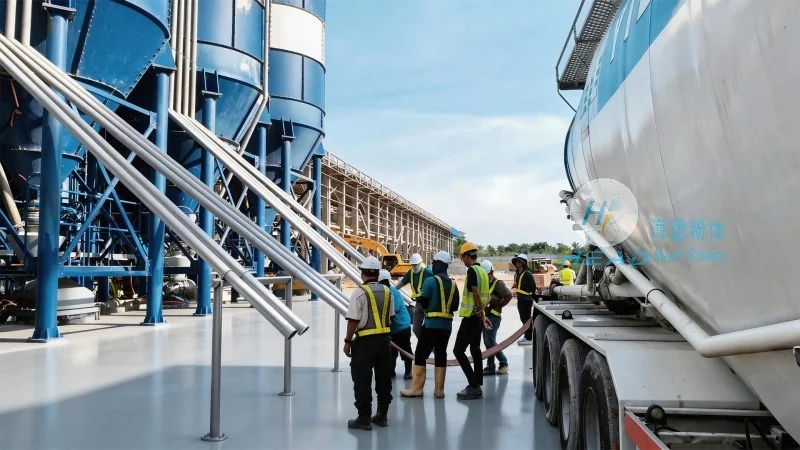
Aluminum hydroxide powder, with its fine particle size and relatively light density, presents unique challenges during transportation. The material is prone to dust generation, which can affect air quality and worker safety. Additionally, the powder's cohesive properties may lead to blockages in traditional conveying systems if not handled properly. These factors necessitate the use of specialized equipment and techniques to ensure smooth and reliable powder transport.
Common Transportation Methods for Aluminum Hydroxide Powder
Several methods are commonly employed for transporting aluminum hydroxide powder, each with its own advantages and suitable applications. The choice of method depends on factors like the scale of operation, the distance to be covered, and the specific characteristics of the powder. Below are some of the most widely used approaches:
A. Air-Pneumatic Conveying Systems
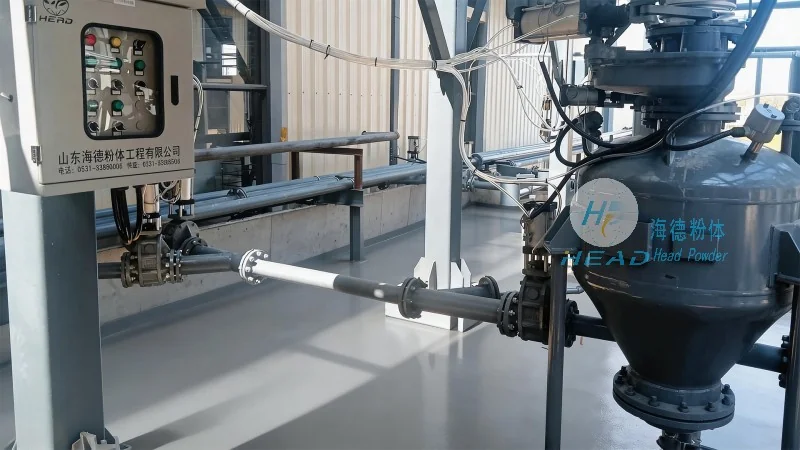
Air-pneumatic conveying, also known as pneumatic conveying, is a popular method for transporting aluminum hydroxide powder due to its ability to handle fine powders over long distances. This system uses compressed air to move the powder through a pipeline. There are two main types of pneumatic conveying: pressure and vacuum systems. Pressure systems are suitable for short to medium distances and high flow rates, while vacuum systems are ideal for longer distances and lower flow rates. The key components of a pneumatic conveying system include a hopper for material storage, a feeder to control the flow rate, a conveyor line, and a receiver to collect the material at the destination. For aluminum hydroxide powder, pressure systems are often preferred as they can handle higher particle loads and are less prone to blockages compared to vacuum systems. The system operates by feeding the powder into the pipeline under pressure, where it is carried by the air flow to the receiving end. The compressed air helps to keep the powder suspended and prevents it from settling or clogging the pipeline. This method is particularly effective for applications where the powder needs to be transported from a production area to a processing or packaging facility.
B. Screw Conveyors
Screw conveyors, also known as auger conveyors, are another common method for transporting aluminum hydroxide powder. These systems use a rotating screw or auger to move the powder along a trough or tube. Screw conveyors are suitable for horizontal or slightly inclined transport and are ideal for short to medium distances. They are particularly effective for handling cohesive powders like aluminum hydroxide, as the rotating screw helps to break up any agglomerates and prevent blockages. The screw conveyor consists of a helical screw mounted on a shaft, which rotates within a trough or tube. The material is fed into the inlet end of the conveyor, and as the screw rotates, it pushes the powder forward. The speed of the screw and the pitch (the distance between the screw flights) can be adjusted to control the flow rate and prevent overloading. Screw conveyors are often used in conjunction with other equipment, such as hoppers and feeders, to create a complete material handling system. They are particularly useful in applications where the powder needs to be transported within a production facility, such as from a storage silo to a mixing or processing unit.
C. Belt Conveyors
Belt conveyors are widely used for transporting aluminum hydroxide powder in bulk, especially over longer distances and at higher capacities. These systems consist of a continuous belt that moves over rollers or idlers, carrying the powder from the loading point to the discharge point. Belt conveyors are suitable for both horizontal and inclined transport and can handle large volumes of material. The key advantage of belt conveyors is their high capacity and ability to transport material over long distances with minimal maintenance. The belt is typically made of durable materials, such as rubber or PVC, to withstand the abrasive nature of the powder. The system includes a drive unit to move the belt, a loading hopper to feed the powder onto the belt, and a discharge chute to remove the material. Belt conveyors are often used in applications where the powder needs to be transported from a storage area to a processing plant or for long-distance transport between different production stages. They are particularly effective for handling large quantities of aluminum hydroxide powder, as they can maintain a consistent flow rate and minimize material loss.
D. Bucket Elevators
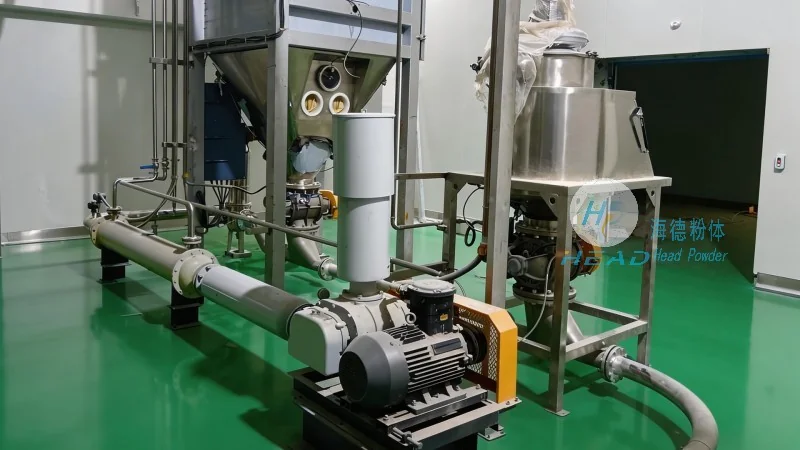
Bucket elevators are a specialized type of conveyor system used for vertical or steeply inclined transport of aluminum hydroxide powder. These systems consist of a vertical or inclined conveyor with a series of buckets attached to a chain or belt. The buckets are filled with the powder at the bottom and then lifted to the top, where the material is discharged. Bucket elevators are ideal for transporting powder vertically over significant heights, such as from a ground-level storage silo to an elevated processing area. The system operates by rotating the chain or belt, which lifts the buckets filled with powder. The buckets are designed to hold a specific amount of material and are spaced evenly along the conveyor to prevent material spillage. Bucket elevators are particularly effective for handling fine powders like aluminum hydroxide, as they can maintain a consistent flow rate and prevent dust generation. They are often used in applications where vertical transport is necessary, such as in the production of ceramics or pharmaceuticals, where the powder needs to be moved to an upper level for further processing.
Choosing the Right Transportation Method for Aluminum Hydroxide Powder
The selection of the appropriate transportation method for aluminum hydroxide powder depends on several factors, including the scale of operation, the distance to be covered, the required flow rate, and the specific characteristics of the powder. It is essential to consider the material's properties, such as its particle size, density, and cohesive behavior, when choosing a conveying system. For example, if the powder is fine and prone to dust, a pneumatic conveying system may be more suitable, as it can handle the material without causing excessive dust generation. If the powder is cohesive and needs to be moved over short distances within a production facility, a screw conveyor may be the best choice. The choice of method also affects the overall cost and maintenance requirements of the system. Pneumatic conveying systems may require more energy and have higher maintenance costs compared to screw or belt conveyors, but they offer greater flexibility and can handle fine powders more effectively. Ultimately, the goal is to select a transportation method that ensures efficient, safe, and reliable transport of aluminum hydroxide powder, minimizing downtime and maximizing production efficiency.
Conclusion
Efficient transportation of aluminum hydroxide powder is critical for maintaining production efficiency and ensuring product quality in various industrial applications. The choice of transportation method depends on several factors, including the scale of operation, the distance to be covered, and the specific characteristics of the powder. Common methods include air-pneumatic conveying, screw conveyors, belt conveyors, and bucket elevators, each with its own advantages and suitable applications. By selecting the appropriate conveying system and considering the material's properties, industrial operations can ensure smooth and reliable transport of aluminum hydroxide powder. The use of specialized equipment and proper maintenance is essential to prevent blockages, dust generation, and other issues that can affect the efficiency of the transportation process. For companies dealing with aluminum hydroxide powder, understanding the different transportation methods and their applications is crucial for optimizing their material handling processes and maintaining a competitive edge in the market.