

Common Corn Conveying Methods: An Overview
When it comes to efficiently handling corn during processing and storage, selecting the right conveying method is crucial for optimizing workflow and ensuring product quality. Shandong HeadPowder Engineering Co., Ltd., a leading provider of industrial conveying solutions, offers a range of effective methods tailored to different operational needs. This article explores the common corn conveying methods used in agricultural and food processing industries, highlighting their applications and benefits.
Understanding Corn Conveying Systems
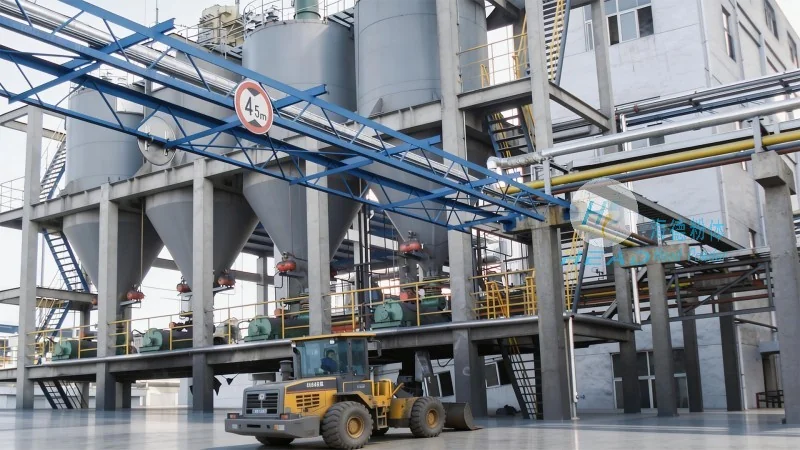
Before delving into specific methods, it's essential to understand the core components of corn conveying systems. These systems are designed to transport corn from one location to another with minimal loss, maintaining its integrity and preventing contamination. Key factors influencing the choice of a conveying method include the volume of corn to be handled, the distance of transport, the required speed, and the physical characteristics of the corn (such as moisture content and size).
1. Belt Conveyors for Bulk Corn Transport
Belt conveyors are among the most widely used methods for corn conveying due to their versatility and efficiency. These systems consist of a continuous belt looped over rollers, with corn loaded at one end and discharged at the other. The belt can be made of various materials, including rubber or plastic, to withstand the abrasive nature of corn kernels. Belt conveyors are ideal for long-distance transport and can handle large volumes of corn at a consistent speed. They are commonly used in grain elevators, storage facilities, and processing plants to move corn from storage bins to processing lines. The smooth operation of belt conveyors minimizes product breakage and ensures a steady flow, making them a preferred choice for high-throughput operations.
2. Screw Conveyors for Horizontal and Inclined Transport
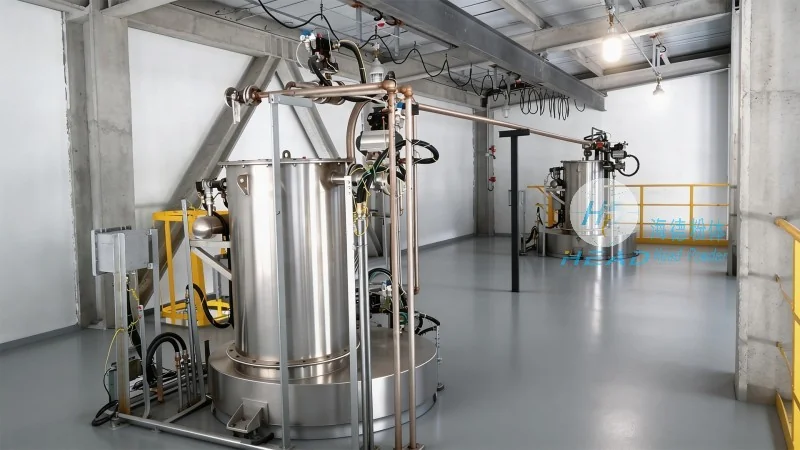
Screw conveyors, also known as auger conveyors, are another popular option for corn conveying, particularly for horizontal or slight incline transport. These systems use a rotating screw (auger) enclosed in a trough to move corn forward. The screw's rotation creates a pushing action, propelling the corn along the conveyor. Screw conveyors are well-suited for transporting corn in a controlled manner, especially when the distance is short or when the corn needs to be elevated to a higher level. They are often used in feed mills and processing plants to move corn from ground level to silos or processing equipment. The enclosed design of screw conveyors helps prevent dust and spillage, maintaining a clean and hygienic environment. Additionally, screw conveyors can handle a wide range of corn types, including whole kernels, broken pieces, and even wet corn, making them a versatile solution for various applications.
3. Bucket Elevators for Vertical Corn Transport
For vertical transport of corn, bucket elevators are an efficient and reliable choice. These systems consist of a vertical or inclined conveyor with buckets attached to a chain or belt. As the buckets move upward, they scoop up corn from a hopper and discharge it at the top. Bucket elevators are capable of handling large volumes of corn at high speeds, making them ideal for applications where vertical movement is required, such as moving corn from ground storage to upper processing levels. They are commonly used in grain handling facilities and processing plants to transport corn from storage bins to silos or processing equipment. The enclosed design of bucket elevators ensures that corn is transported safely and efficiently, minimizing dust and spillage. Additionally, bucket elevators can handle wet or sticky corn without clogging, maintaining consistent performance.
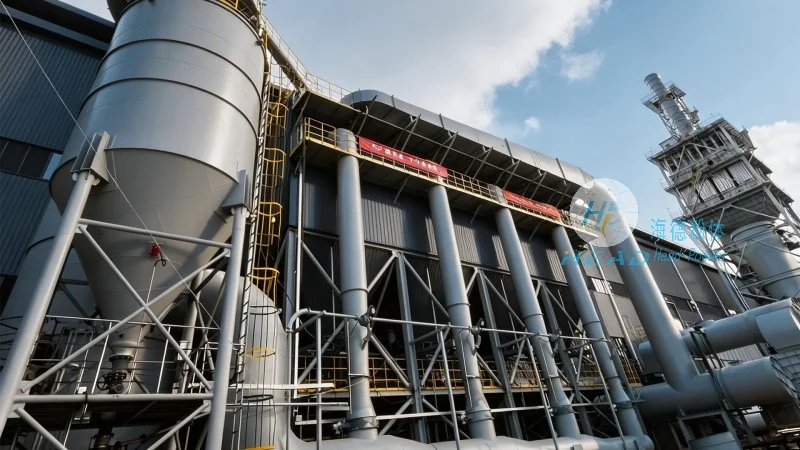
4. Pneumatic Conveying Systems for Dust-Free Transport
Pneumatic conveying systems use air pressure to transport corn in a sealed pipeline. These systems are particularly useful for applications where dust control is a priority, such as in food processing plants. Corn is loaded into a hopper and then drawn into the pipeline by a vacuum or pressure system. The air flow carries the corn through the pipeline to the discharge point. Pneumatic conveying systems are ideal for short to medium-distance transport and can handle fine or powdery corn products. They are commonly used in feed mills and processing plants to move corn from storage to processing lines. The enclosed nature of pneumatic systems prevents dust and contamination, ensuring that the corn remains clean and free from external particles. Additionally, these systems can transport corn at high speeds, making them suitable for high-throughput operations.
5. Vibrating Conveyors for Gentle Corn Handling
Vibrating conveyors are designed to handle corn gently, minimizing product damage. These systems use vibrations to move corn along a trough. The vibrations create a sloped surface that allows the corn to move forward without the need for a belt or screw. Vibrating conveyors are ideal for transporting delicate corn products, such as whole kernels or corn with high moisture content. They are commonly used in processing plants to move corn from one processing stage to another, such as from cleaning to grinding. The gentle handling of vibrating conveyors helps maintain the quality of the corn, ensuring that it remains intact and suitable for further processing. Additionally, these systems are easy to clean and maintain, making them a practical choice for food processing applications.
Choosing the Right Corn Conveying Method
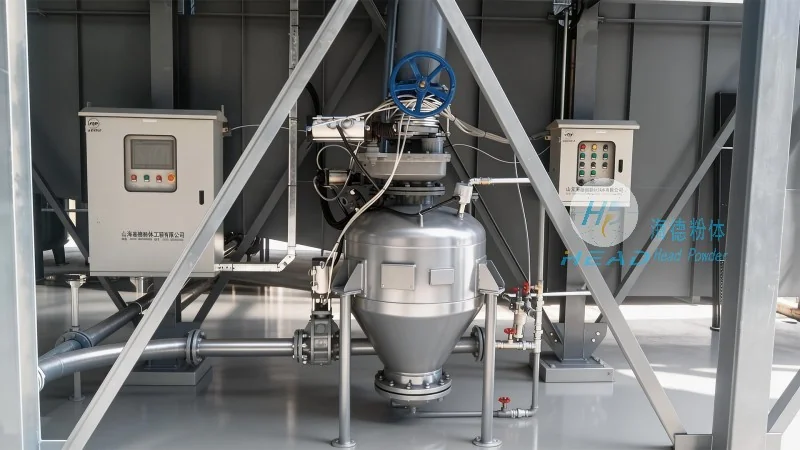
When selecting a corn conveying method, several factors must be considered to ensure optimal performance and efficiency. The volume of corn to be handled is a primary consideration, as it determines the capacity required from the conveyor system. The distance of transport also plays a role, as different methods are better suited for short or long distances. The physical characteristics of the corn, such as moisture content and size, can affect the choice of conveyor, as some methods may be more effective with specific types of corn. Additionally, the operational environment, including space constraints and hygiene requirements, should be taken into account. Shandong HeadPowder Engineering Co., Ltd. offers a range of conveying solutions tailored to these factors, ensuring that clients can choose the most suitable method for their specific needs.
Conclusion
In conclusion, the choice of corn conveying method depends on various factors, including the volume, distance, and physical characteristics of the corn. Belt conveyors, screw conveyors, bucket elevators, pneumatic systems, and vibrating conveyors each offer unique advantages and are suitable for different applications. By understanding the specific requirements of their operations, businesses can select the most effective corn conveying method to optimize their workflow and maintain product quality. Shandong HeadPowder Engineering Co., Ltd. provides comprehensive solutions for corn conveying, helping clients achieve efficient and reliable transport of their corn products.