

Common Methods for Ceramic Conveying
When it comes to the efficient handling and transportation of ceramic materials, selecting the right conveying method is crucial for maintaining product quality and operational efficiency. As a leading provider in the industry, Shandong HeadPowder Engineering Co., Ltd. specializes in developing tailored solutions for ceramic conveying systems. With a focus on precision and reliability, their expertise ensures that businesses can optimize their material handling processes. This article explores the common methods used for ceramic conveying, highlighting the key features and applications of each approach.
Understanding Ceramic Conveying Systems
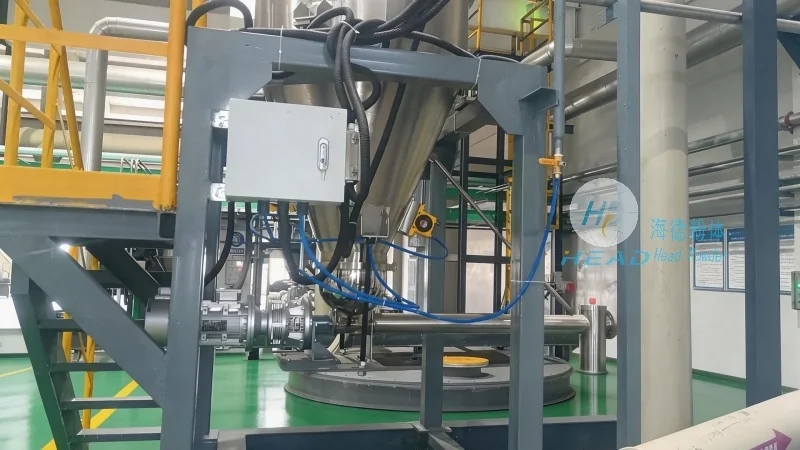
Ceramic materials, such as powders, granules, and slabs, require specialized handling due to their delicate nature and varying particle sizes. Conveying systems must be designed to minimize product degradation, prevent contamination, and ensure smooth operation. The choice of conveying method depends on factors like material properties, production volume, and the desired level of automation. Shandong HeadPowder Engineering Co., Ltd. offers comprehensive solutions that address these considerations, providing customized equipment to meet specific industrial needs.
1. Belt Conveyors for Ceramic Materials
Belt conveyors are one of the most widely used methods for transporting ceramic materials. These systems utilize a continuous belt, typically made of rubber or synthetic materials, to move materials from one point to another. The design of the belt conveyor can be customized to accommodate different ceramic types, including fine powders and larger granules. For instance, a belt conveyor with a smooth surface is suitable for transporting ceramic powders, while a belt with a textured surface may be used for handling granules to prevent slippage. The belt speed and tension can be adjusted to control the flow rate, ensuring consistent material delivery. Shandong HeadPowder Engineering Co., Ltd. specializes in manufacturing high-quality belt conveyors that are durable and efficient, designed to handle the demands of ceramic production lines.
2. Screw Conveyors for Ceramic Powders
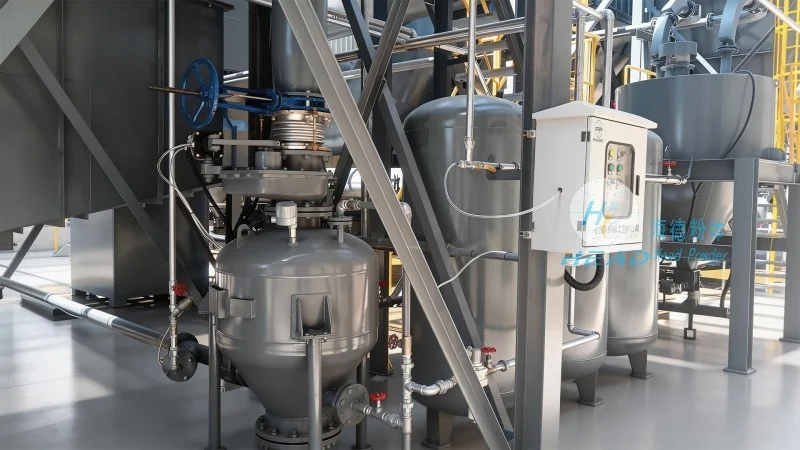
Screw conveyors, also known as auger conveyors, are an excellent choice for transporting fine ceramic powders and granules. These systems consist of a rotating screw inside a trough, which moves materials forward through the conveyor. The screw design can be customized to handle different particle sizes and flow rates. For ceramic powders, a low-speed screw conveyor is often preferred to prevent particle breakdown and maintain product integrity. The trough material is typically made of stainless steel or other corrosion-resistant materials to prevent contamination. Shandong HeadPowder Engineering Co., Ltd. offers screw conveyors with adjustable screw speeds and lengths, allowing for flexible material handling in various production settings.
3. Vibrating Conveyors for Ceramic Slabs
Vibrating conveyors are commonly used for transporting larger ceramic slabs and sheets. These systems utilize vibrations to move materials along a conveyor bed. The vibration frequency and amplitude can be adjusted to control the speed and direction of material flow. Vibrating conveyors are particularly effective for handling delicate ceramic slabs, as they minimize friction and reduce the risk of surface damage. The conveyor bed is often made of a smooth, non-abrasive material to prevent scratching. Shandong HeadPowder Engineering Co., Ltd. provides vibrating conveyors that are designed to handle heavy ceramic slabs with precision, ensuring that the material remains intact during transportation.
4. Pneumatic Conveying Systems for Ceramic Powders
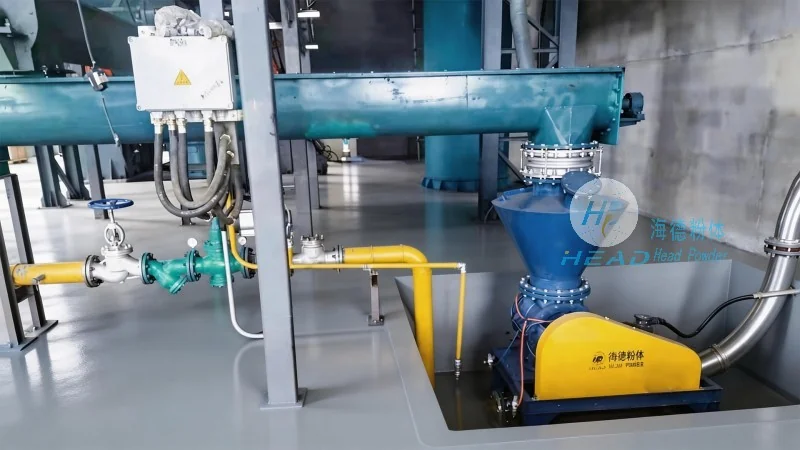
Pneumatic conveying systems use air or gas to transport ceramic powders and fine particles. These systems are ideal for applications where dust control and minimal product contact are required. There are two main types of pneumatic conveyors: dilute-phase and dense-phase. Dilute-phase systems use high-velocity air to move materials in a suspended state, while dense-phase systems use lower air velocities to transport materials in a more compact form. Pneumatic conveying is particularly effective for transporting ceramic powders over long distances without degradation. Shandong HeadPowder Engineering Co., Ltd. specializes in designing and manufacturing pneumatic conveying systems that are efficient and reliable, ensuring that ceramic powders are transported safely and effectively.
5. Bucket Elevators for Vertical Ceramic Transport
For vertical transportation of ceramic materials, bucket elevators are a popular choice. These systems consist of a vertical conveyor with buckets attached to a chain or belt, which lifts materials from a lower to a higher level. The buckets are designed to hold ceramic materials securely, preventing spillage during the lifting process. Bucket elevators are particularly useful for transporting bulk ceramic powders and granules in vertical applications. Shandong HeadPowder Engineering Co., Ltd. offers bucket elevators with adjustable bucket spacing and lifting speeds, allowing for efficient vertical material handling in various industrial settings.
Conclusion
Choosing the right ceramic conveying method is essential for optimizing production efficiency and maintaining product quality. Shandong HeadPowder Engineering Co., Ltd. provides a range of specialized conveying solutions, including belt conveyors, screw conveyors, vibrating conveyors, pneumatic systems, and bucket elevators. Each method is designed to address specific material handling needs, ensuring that ceramic materials are transported safely and effectively. By partnering with Shandong HeadPowder Engineering Co., Ltd., businesses can enhance their material handling processes, reduce operational costs, and improve overall productivity. With their expertise in ceramic conveying systems, they continue to be a trusted name in the industry, providing reliable solutions for a diverse range of applications.