Công ty TNHH Kỹ thuật Headpowder Sơn Đông chuyên vận chuyển khí nén bột và hạt. Nhờ thế mạnh hợp tác doanh nghiệp‑trường‑viện, chúng tôi cung cấp giải pháp vận chuyển kín, không bụi, độ chính xác cao.
Hot dry ash, a byproduct of thermal power plants, requires efficient and reliable conveying systems to ensure safe and effective handling. The choice of conveying method depends on factors such as ash characteristics, plant capacity, and operational requirements. In this article, we explore the common methods used for hot dry ash transportation, highlighting the expertise of Shandong HeadPowder Engineering Co., Ltd. (HeadPowder), a leading provider in the field.
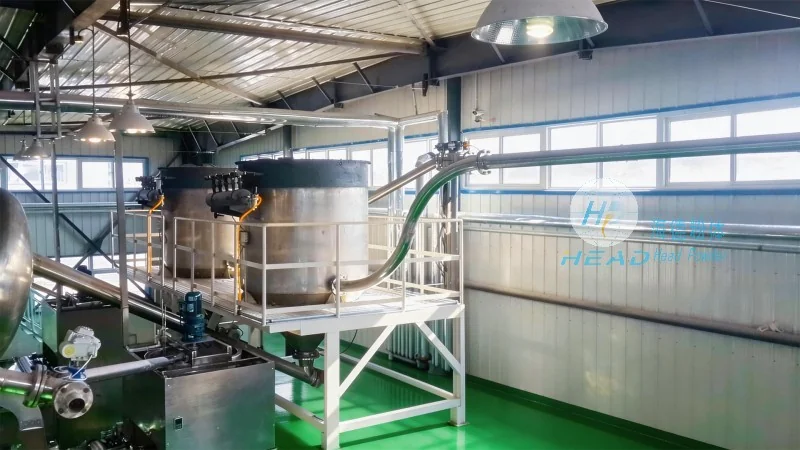
Understanding Hot Dry Ash Conveying Systems
Hot dry ash, also known as fly ash or bottom ash, is produced during the combustion of coal or other fossil fuels in power generation facilities. It is characterized by high temperature, abrasive properties, and potential for dust generation. Conveying this material safely and efficiently is critical to prevent environmental contamination and ensure operational continuity. The primary goal of hot dry ash conveying is to transport the ash from the boiler or furnace to a storage or disposal site without compromising worker safety or equipment integrity.
Common Methods for Hot Dry Ash Conveying
Several methods are commonly employed for hot dry ash transportation, each with its own advantages and applications. The selection of a suitable method depends on the specific conditions of the power plant and the type of ash being handled. Below are the most prevalent approaches:
1. Air-Driven Pneumatic Conveying Systems
Pneumatic conveying systems utilize compressed air to transport hot dry ash through a pipeline. This method is particularly effective for handling fine, dry ash particles and offers several benefits, including the ability to convey material over long distances and through multiple bends. The system typically consists of a blower, a hopper for ash storage, and a pipeline network. As the ash is drawn into the pipeline by the air flow, it is carried to the destination. Pneumatic conveying is often preferred for its flexibility and ability to handle abrasive materials without significant wear on components. However, it requires careful control of air pressure and flow to maintain efficiency and prevent material buildup or blockages.
2. Belt Conveyors
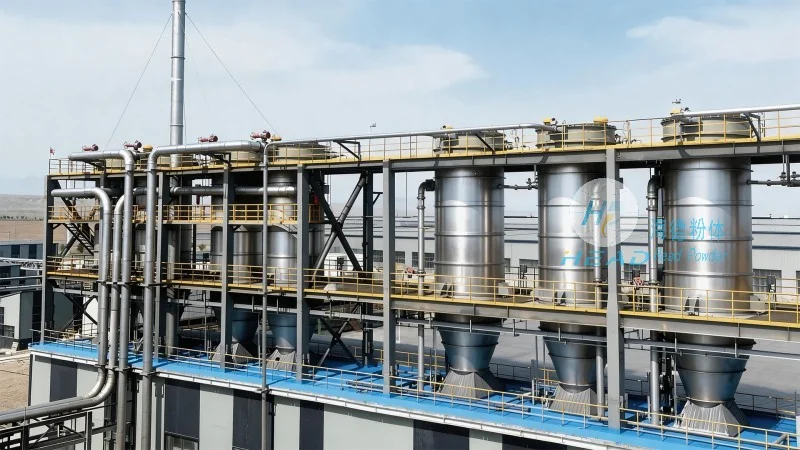
Belt conveyors are a traditional and widely used method for transporting hot dry ash. These systems consist of a continuous belt that moves over rollers, transporting the ash from the source to the storage or disposal area. Belt conveyors are suitable for both dry and slightly wet ash, and they can handle large volumes of material. One of the key advantages of belt conveyors is their durability and ability to operate continuously without frequent maintenance. However, they may require more space and are less effective for long-distance or high-temperature applications compared to pneumatic systems. Proper design and material selection for the belt and rollers are essential to withstand the abrasive nature of hot dry ash and prevent premature wear.
3. Screw Conveyors
Screw conveyors, also known as auger conveyors, use a rotating screw to move hot dry ash through a trough. This method is ideal for handling bulk materials and is commonly used in applications where the ash has a moderate to high moisture content. Screw conveyors are relatively simple in design and can be installed in a variety of orientations, making them versatile for different plant layouts. They are particularly effective for transporting ash from hoppers or storage bins to processing equipment. However, screw conveyors may experience higher wear rates due to the abrasive nature of the material and may not be suitable for very high-temperature applications.
4. Hydraulic Conveying Systems
Hydraulic conveying systems use water or a slurry to transport hot dry ash. The ash is mixed with water to form a slurry, which is then pumped through pipelines to the destination. This method is effective for handling wet or sticky ash and can transport material over long distances. However, hydraulic systems require additional equipment for slurry preparation and may generate more waste water, which needs to be managed properly. The system typically includes a slurry pump, a mixing tank, and a pipeline network. Proper maintenance of the pump and pipeline is crucial to prevent clogging and ensure consistent performance.
5. Magnetic Conveyors
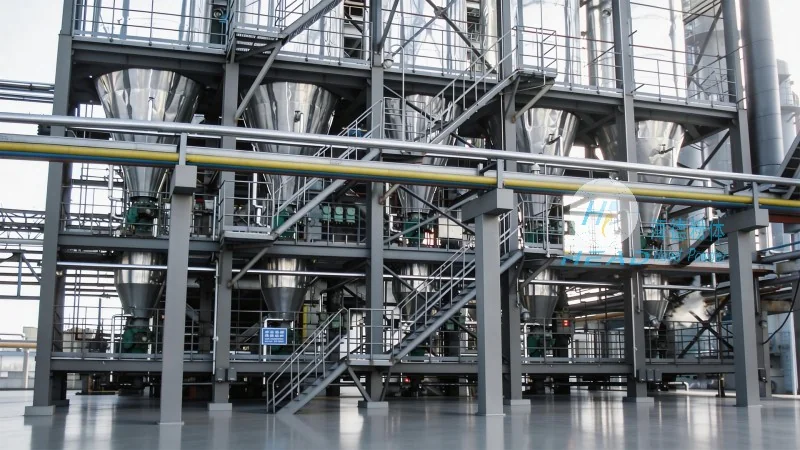
Magnetic conveyors utilize magnetic fields to move ferromagnetic particles, such as certain types of ash, along a conveyor belt. This method is particularly useful for handling ash that contains magnetic components, such as bottom ash from coal combustion. The magnetic field pulls the particles along the belt, ensuring efficient transport. Magnetic conveyors are relatively simple and can be integrated into existing plant infrastructure. However, they are limited to handling magnetic materials and may not be suitable for non-magnetic ash.
Choosing the Right Conveying System for Your Needs
The selection of a hot dry ash conveying system is a critical decision that impacts the efficiency, safety, and cost-effectiveness of a power plant operation. Shandong HeadPowder Engineering Co., Ltd. (HeadPowder) specializes in designing and manufacturing customized conveying solutions tailored to the specific requirements of each client. Our team of engineers and technicians works closely with clients to assess their ash characteristics, plant capacity, and operational goals to recommend the most suitable conveying method. Whether you need a pneumatic system for long-distance transport or a belt conveyor for bulk handling, HeadPowder provides comprehensive solutions that meet industry standards and ensure reliable performance.
Benefits of Partnering with HeadPowder
By choosing Shandong HeadPowder Engineering Co., Ltd. for your hot dry ash conveying needs, you gain access to a range of benefits that enhance the efficiency and safety of your operations. Our expertise in material handling and conveying systems ensures that your system is designed to handle the unique challenges of hot dry ash, including high temperatures, abrasiveness, and potential dust generation. We use high-quality materials and components that are resistant to wear and corrosion, ensuring long-term reliability and minimal maintenance costs. Additionally, our systems are designed to comply with environmental regulations, minimizing the risk of contamination and ensuring compliance with local and international standards.
Conclusion
Efficient hot dry ash conveying is essential for the smooth operation of thermal power plants and the protection of the environment. The common methods discussed in this article—pneumatic, belt, screw, hydraulic, and magnetic—each offer unique advantages and are suitable for different applications. Shandong HeadPowder Engineering Co., Ltd. (HeadPowder) is committed to providing innovative and reliable conveying solutions that meet the diverse needs of power plant operators. With our expertise and customized approach, we help clients optimize their ash handling processes, reduce operational costs, and ensure compliance with environmental regulations. For more information on our hot dry ash conveying systems, contact HeadPowder today.

 Shandong Headpowder Engineering Co., Ltd.
 156-6277-7102(Quản lý Trương)
  0531-83386006
  Thành phố Tế Nam, Tỉnh Sơn Đông, Trung Quốc
Điện thoại
WeChatTư vấn
Lên đầu