

Common Methods for Phosphate Powder Conveying
Phosphate fertilizer powder, a critical raw material in modern agriculture, requires efficient and reliable conveying methods to ensure smooth operations from storage to processing. As a leading provider in the field, Shandong HeadPowder Engineering Co., Ltd. specializes in solutions tailored to the unique challenges of handling phosphate powders. This article explores the common methods used for phosphate powder conveying, highlighting their applications and benefits.
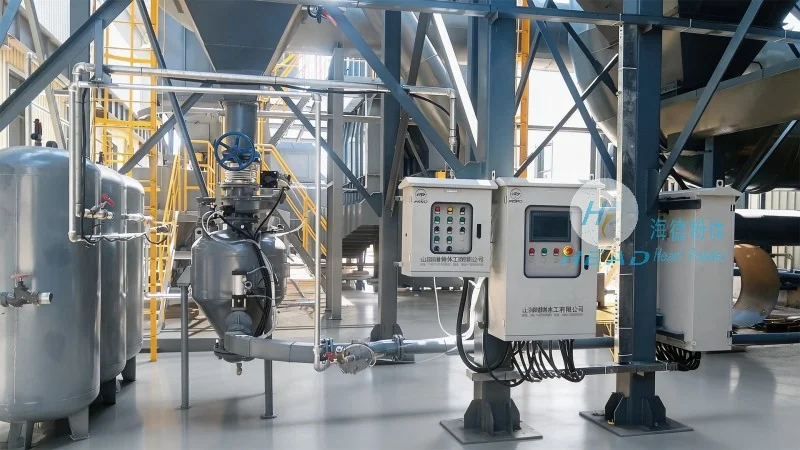
1. Air-Pneumatic Conveying Systems
Air-pneumatic conveying, also known as pneumatic conveying, is a widely adopted method for transporting phosphate powders. This technology utilizes compressed air to move the powder through a pipeline system. The process involves generating a pressure differential that propels the powder particles forward. There are two primary types of pneumatic conveying: pressure and vacuum systems. Pressure systems are suitable for long-distance and high-capacity applications, while vacuum systems are ideal for shorter distances and more delicate powders. The choice between these systems depends on factors such as the distance between the source and destination, the volume of material to be conveyed, and the characteristics of the phosphate powder, including its moisture content and particle size.
2. Screw Conveyors
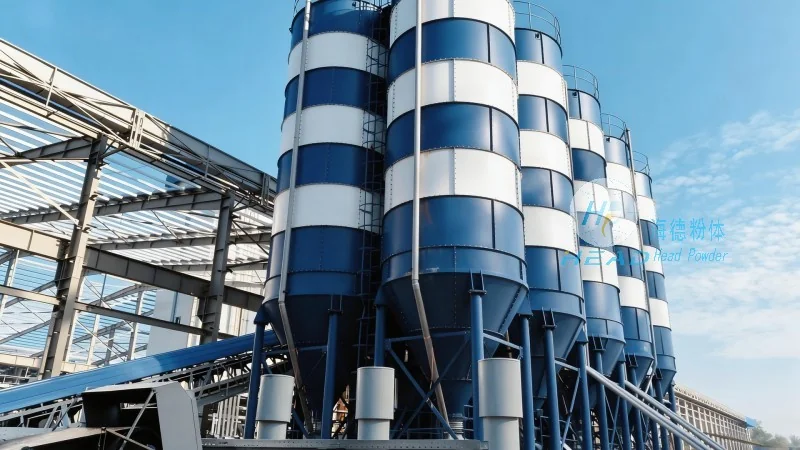
Screw conveyors, or auger conveyors, are another common method for conveying phosphate powders. These systems consist of a rotating screw inside a tube or trough. As the screw rotates, it pushes the powder forward along the conveyor. Screw conveyors are particularly effective for handling bulk materials and are often used in vertical or inclined applications. They are suitable for powders with moderate to high bulk density and can be integrated with other processing equipment, such as mixers or feeders. The design of the screw, including its pitch and diameter, is crucial for optimizing the conveying efficiency and minimizing material degradation. For phosphate powders, which may be prone to caking or segregation, proper screw design and maintenance are essential to prevent blockages and ensure consistent flow.
3. Belt Conveyors
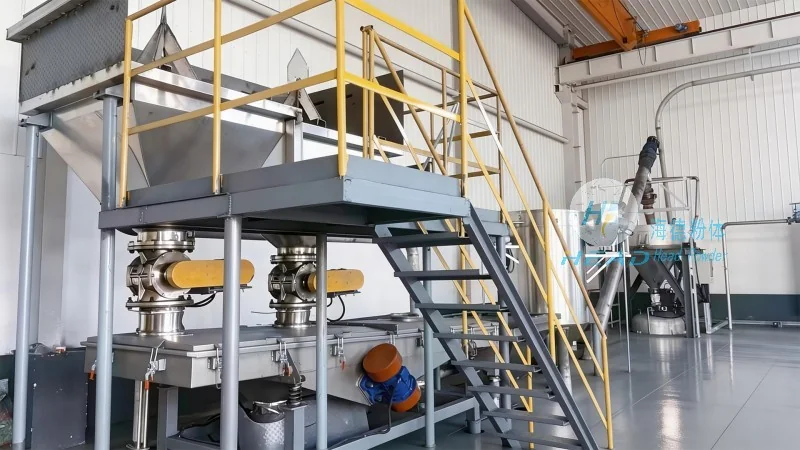
Belt conveyors are widely used in the phosphate industry for transporting powders over longer distances and at higher capacities. These systems consist of a continuous belt that moves over rollers or pulleys, carrying the phosphate powder from one location to another. Belt conveyors are particularly effective for horizontal or slightly inclined applications and can handle large volumes of material. The choice of belt material and tensioning system is critical to prevent slippage and ensure the integrity of the phosphate powder during transport. For phosphate powders, which may be abrasive or have a tendency to stick to the belt, specialized belt coatings or materials may be required to minimize wear and maintain efficiency. Belt conveyors are often used in conjunction with other equipment, such as hoppers or storage silos, to create a seamless material handling system.
4. Hydraulic Conveying
Hydraulic conveying is a less common but effective method for transporting phosphate powders, especially in applications where long distances or high capacities are required. This technology involves using a liquid medium, typically water or a slurry, to carry the powder through a pipeline. The mixture is then separated at the destination, with the liquid being recycled and the powder collected. Hydraulic conveying is particularly suitable for powders that are difficult to handle with pneumatic or mechanical systems, such as those with high moisture content or fine particle sizes. However, it requires careful management of the slurry concentration and flow rate to ensure efficient transport and prevent clogging. The system also needs regular maintenance to prevent corrosion and ensure the longevity of the components.
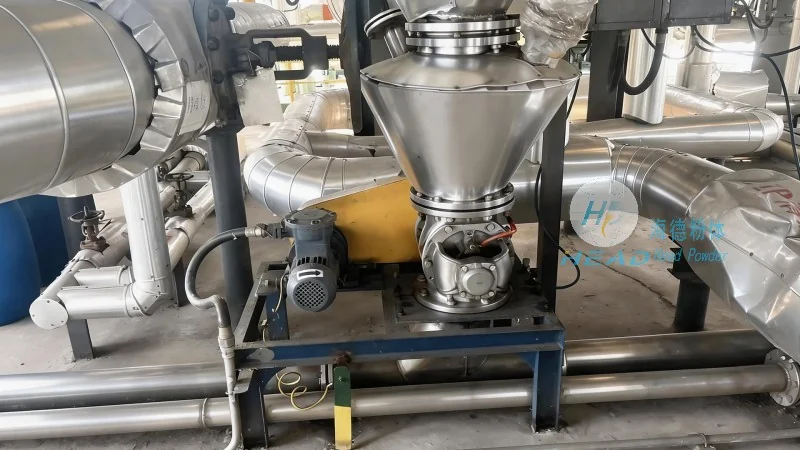
5. Pneumatic and Mechanical Combination Systems
In some cases, a combination of pneumatic and mechanical conveying methods is used to optimize the handling of phosphate powders. For example, a pneumatic system may be used to transport the powder from a storage silo to a screw conveyor, which then moves it to the processing equipment. This hybrid approach allows for the benefits of both systems, such as the ability to handle long distances with pneumatic transport and the precision of mechanical conveyors for final processing. The integration of these systems requires careful planning and coordination to ensure smooth operation and minimize downtime. Shandong HeadPowder Engineering Co., Ltd. specializes in designing and implementing such hybrid systems, tailored to the specific needs of each client.
When selecting a conveying method for phosphate powders, it is essential to consider factors such as the material's properties, the distance and capacity requirements, and the overall process flow. Each method has its advantages and limitations, and the optimal choice depends on the specific application. By understanding the characteristics of phosphate powders and the capabilities of each conveying system, industries can ensure efficient and reliable material handling, ultimately improving productivity and reducing operational costs. Shandong HeadPowder Engineering Co., Ltd. provides comprehensive solutions and expert guidance to help clients choose the most suitable conveying method for their phosphate powder handling needs.