

Common Methods for Polyethylene Transportation
When it comes to the transportation of polyethylene, understanding the available methods is crucial for ensuring efficiency and safety in industrial operations. Polyethylene, a widely used thermoplastic, requires appropriate handling to maintain its properties and prevent damage during transit. The following sections will explore the common methods used for polyethylene transportation, providing insights into each approach's advantages and applications.
1. Bulk Handling and Storage Solutions
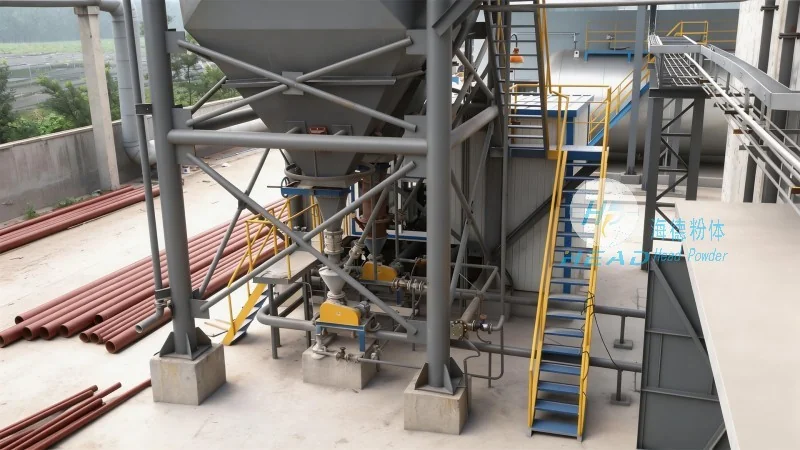
One of the primary methods for polyethylene transportation involves bulk handling and storage systems. This approach is particularly suitable for large-scale industrial applications where polyethylene is produced or consumed in significant quantities. Companies like Shandong HeadPowder Engineering Co., Ltd., based in China, specialize in designing and implementing comprehensive solutions for polyethylene storage and transportation. Their expertise in material handling technology ensures that polyethylene can be managed efficiently from production to end-use.
2. Pneumatic Conveying Systems
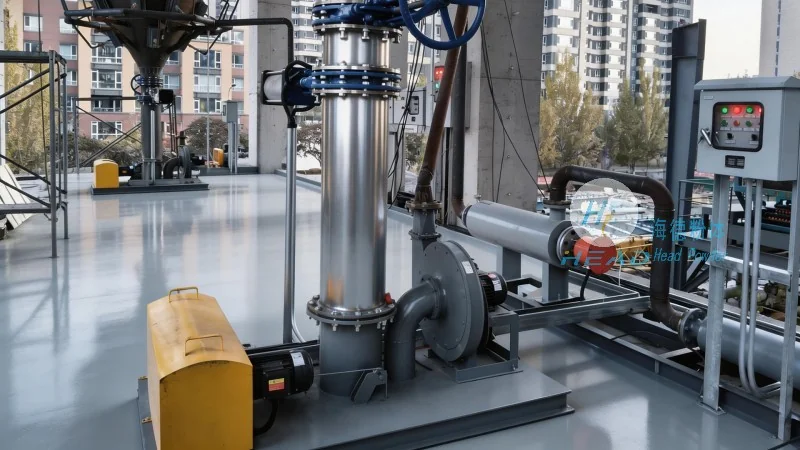
Pneumatic conveying is another common method for transporting polyethylene, especially in applications where dust control and precise material delivery are required. This system uses air pressure to move polyethylene particles through a pipeline network. The process involves feeding polyethylene into a hopper, where it is then conveyed by compressed air to the destination. Pneumatic conveying offers advantages such as low maintenance costs, the ability to transport materials over long distances, and minimal product degradation. Shandong HeadPowder Engineering Co., Ltd. has developed advanced pneumatic conveying solutions tailored to the specific needs of polyethylene handling, ensuring reliable and efficient material transport.
3. Belt Conveyors and Bulk Handling Equipment
Belt conveyors are a traditional and widely used method for transporting polyethylene, particularly in manufacturing and processing facilities. These systems consist of a continuous belt that moves polyethylene from one location to another, often integrated with other equipment like hoppers and storage tanks. The design of belt conveyors allows for the smooth and consistent movement of polyethylene, reducing the risk of material spillage or damage. Shandong HeadPowder Engineering Co., Ltd. provides high-quality belt conveyor systems that are customized to meet the operational requirements of polyethylene transportation, ensuring durability and performance in demanding industrial environments.
4. Containerized Transportation
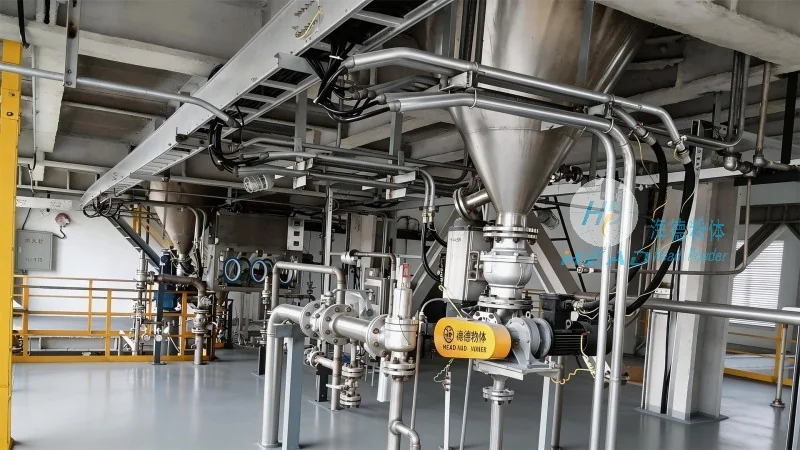
For polyethylene that needs to be transported over longer distances or to different locations, containerized transportation is a common method. This approach involves loading polyethylene into specialized containers, such as bulk containers or ISO containers, which are then transported by trucks, ships, or rail. Containerized transportation offers benefits like secure storage, protection from environmental factors, and ease of handling during transit. Shandong HeadPowder Engineering Co., Ltd. collaborates with logistics partners to ensure that polyethylene is transported safely and efficiently, adhering to industry standards and best practices.
5. Specialized Handling Equipment
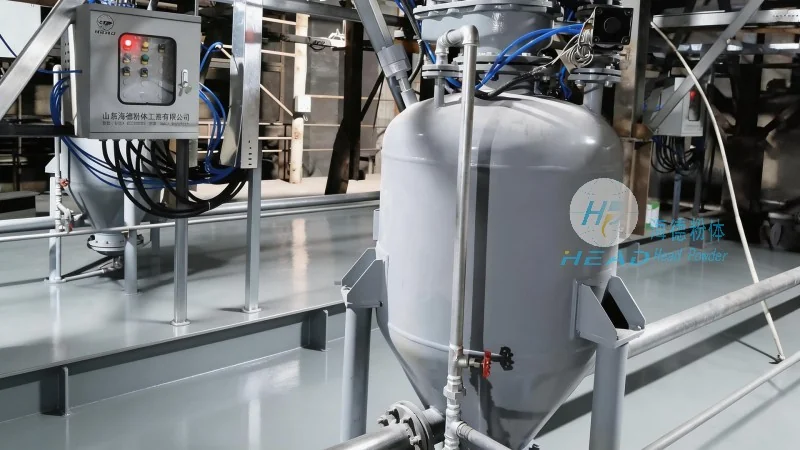
In addition to the above methods, specialized handling equipment is often used for polyethylene transportation, especially in applications requiring precise control or handling of specific polyethylene grades. This includes equipment like screw conveyors, bucket elevators, and automated storage systems. These tools are designed to handle polyethylene with minimal friction and to maintain its integrity during transport. Shandong HeadPowder Engineering Co., Ltd. offers a range of specialized equipment tailored to the unique characteristics of polyethylene, ensuring that each transportation method is optimized for performance and reliability.