Công ty TNHH Kỹ thuật Headpowder Sơn Đông chuyên vận chuyển khí nén bột và hạt. Nhờ thế mạnh hợp tác doanh nghiệp‑trường‑viện, chúng tôi cung cấp giải pháp vận chuyển kín, không bụi, độ chính xác cao.
For agricultural and industrial operations, efficiently conveying corn kernels is crucial for maintaining workflow and product quality. Various methods are employed to handle this task, each with distinct advantages based on the specific requirements of the process. This article explores the common methods used for corn kernel conveying, highlighting key considerations and applications. The information provided is based on the expertise of Shandong HeadPowder Engineering Co., Ltd., a leading provider of conveying solutions in China, with operations based in Shandong Province.
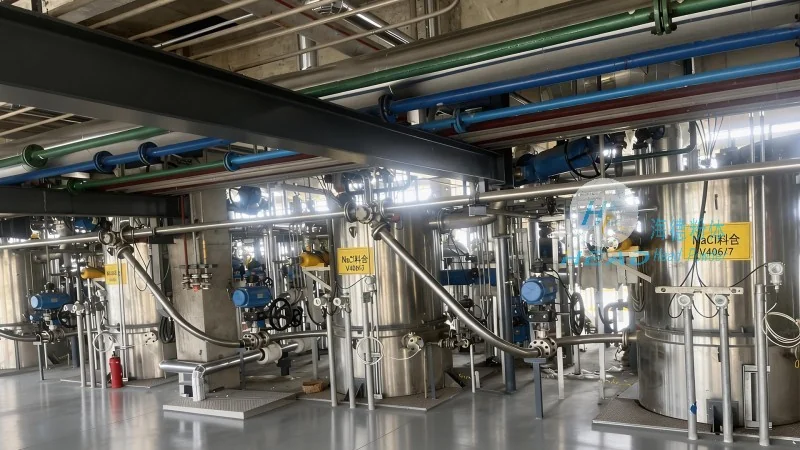
Overview of Corn Kernel Conveying Systems
Corn kernel conveying systems are designed to transport raw or processed corn kernels from one location to another within a facility. These systems are integral to processes such as storage, processing, and packaging. The choice of conveying method depends on factors like the volume of material, the distance to be covered, the need for gentle handling, and the environmental conditions of the operation. Understanding these factors helps in selecting the most suitable conveying solution for a given application.
Key Conveying Methods for Corn Kernels
Several common methods are widely used in the industry for corn kernel conveying. Each method has its own operational principles and is suited to different scenarios. The primary methods include screw conveyors, pneumatic conveying systems, belt conveyors, and bucket elevators. Below is a detailed look at each of these methods and their typical applications.
Screw Conveyors for Corn Kernel Transport
Screw conveyors, also known as auger conveyors, are among the most common equipment used for moving corn kernels. These systems consist of a rotating helical screw inside a trough or tube. As the screw rotates, it pushes the corn kernels forward along the conveyor path. Screw conveyors are particularly effective for handling bulk materials in a straight line or at a slight incline. They are often used in storage facilities and processing plants to move corn from silos or storage bins to processing lines. The gentle handling of the kernels by the screw minimizes breakage and ensures product integrity. Additionally, screw conveyors are relatively simple in design, making them cost-effective and easy to maintain. They can be installed horizontally or at a slight angle, providing flexibility in system layout. However, they may not be suitable for long horizontal distances or where high material flow rates are required, as they can experience wear and tear over time.
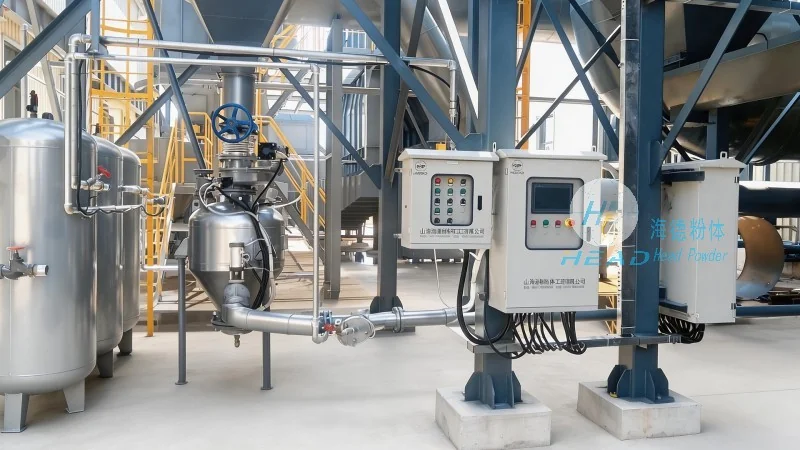
Pneumatic Conveying Systems for Corn Kernels
Pneumatic conveying systems use air or other gases to transport corn kernels through a pipeline. This method is particularly useful for moving materials over longer distances or in complex layouts where traditional conveyors may not be practical. There are two main types of pneumatic conveying: pressure and vacuum systems. In pressure systems, air is forced into a hopper containing the corn kernels, creating a high-pressure environment that propels the material through the pipeline. Vacuum systems, on the other hand, use a vacuum to draw the corn kernels into the pipeline. Both methods allow for the efficient transport of corn kernels without the need for physical contact, which can be beneficial for handling delicate or sticky materials. Pneumatic conveying is often used in applications where dust control is a priority, as the material is contained within the pipeline. However, it requires a more complex system with air compressors or vacuum pumps, which can increase operational costs and maintenance requirements.
Belt Conveyors for Corn Kernel Handling
Belt conveyors are another widely used method for corn kernel conveying. These systems consist of a continuous belt that moves over rollers or pulleys, transporting the corn kernels along the path of the conveyor. Belt conveyors are suitable for both horizontal and inclined transport and can handle large volumes of material. They are commonly used in packaging and sorting operations where the corn kernels need to be moved to different processing stages or packaging lines. The belt can be made from various materials, such as rubber or plastic, to provide durability and resistance to the abrasive nature of corn kernels. Belt conveyors are relatively easy to install and maintain, and they can be customized to fit specific operational needs. However, they may not be as effective for vertical transport or where gentle handling is critical, as the material is in direct contact with the belt surface.
Bucket Elevators for Vertical Corn Kernel Transport
Bucket elevators are specialized equipment designed for vertical or steep incline transport of corn kernels. These systems consist of a vertical or inclined conveyor with a series of buckets attached to a chain or belt. As the conveyor rotates, the buckets scoop up the corn kernels from a hopper and lift them to the desired height. Bucket elevators are ideal for moving corn kernels from ground level to elevated storage silos or processing equipment. They are capable of handling large volumes of material and can transport corn kernels over significant vertical distances. The enclosed design of bucket elevators helps to minimize dust and maintain product cleanliness. However, they require more complex mechanical components, such as chains and sprockets, which can increase maintenance costs and the risk of mechanical failure.
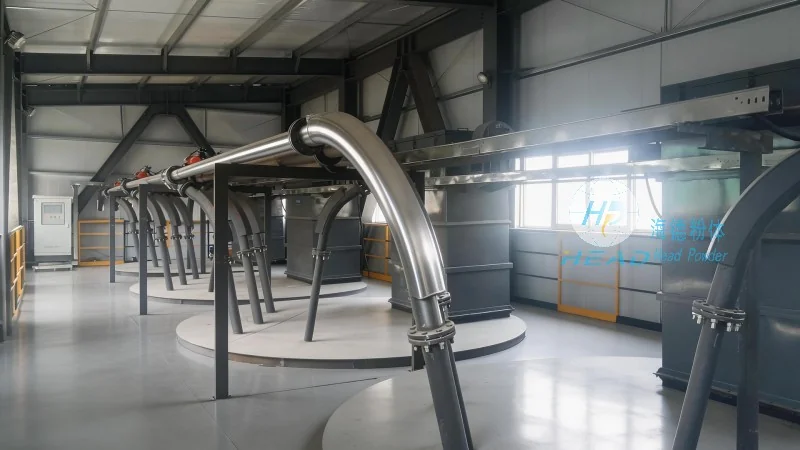
Choosing the Right Conveying Method for Corn Kernels
When selecting a conveying method for corn kernels, several factors must be considered to ensure optimal performance and efficiency. The first consideration is the volume and characteristics of the material. For large volumes of corn kernels, systems like pneumatic conveyors or belt conveyors may be more suitable, while for smaller quantities, screw conveyors or bucket elevators can be effective. The distance and layout of the operation are also critical. For short horizontal distances, screw conveyors are often preferred, while for longer distances or complex layouts, pneumatic or belt conveyors may be more appropriate. The need for gentle handling is another important factor. If the corn kernels are delicate or prone to breakage, screw conveyors or bucket elevators with enclosed designs may be better choices. Finally, the budget and maintenance requirements of the system should be evaluated. Simple systems like screw conveyors may have lower initial costs but higher long-term maintenance, while more complex systems like pneumatic conveyors may have higher initial costs but lower maintenance.
Conclusion
In conclusion, various methods are available for conveying corn kernels, each with its own advantages and limitations. The choice of method depends on the specific requirements of the operation, including the volume of material, the distance to be covered, the need for gentle handling, and the budget. By carefully evaluating these factors, operators can select the most suitable conveying system to ensure efficient and reliable corn kernel transport. Whether using screw conveyors, pneumatic systems, belt conveyors, or bucket elevators, the goal is to maintain product quality and optimize workflow in agricultural and industrial settings.

 Shandong Headpowder Engineering Co., Ltd.
 156-6277-7102(Quản lý Trương)
  0531-83386006
  Thành phố Tế Nam, Tỉnh Sơn Đông, Trung Quốc
Điện thoại
WeChatTư vấn
Lên đầu