

What Methods Are Available for Cassava Transportation?
When it comes to moving cassava from the farm to processing facilities or markets, several transportation methods are commonly employed. These methods vary based on factors such as the volume of cassava, the distance to be covered, and the infrastructure available at the production site. Understanding the different options helps in selecting the most efficient and cost-effective solution for cassava transportation.
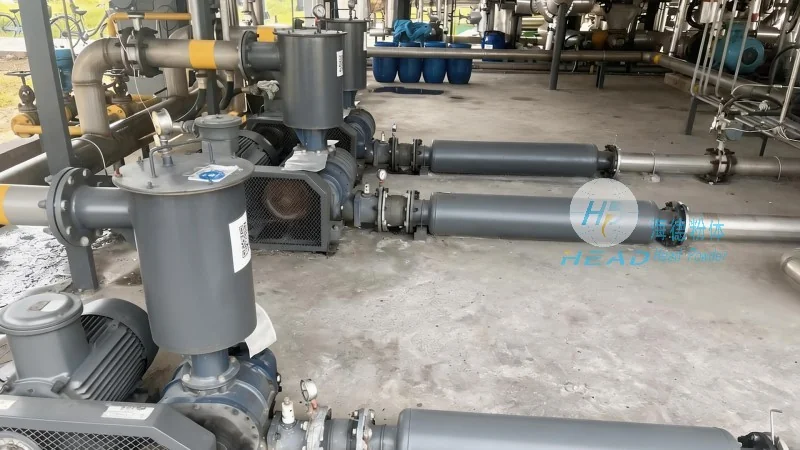
Truck Transportation: A Common and Versatile Choice
Truck transportation is one of the most widely used methods for cassava movement. Trucks can be adapted to carry large quantities of cassava, making them suitable for both short and medium distances. This method offers flexibility in terms of scheduling and route planning. Companies like Shandong HeadPowder Engineering Co., Ltd. often utilize truck transport to ensure timely delivery of cassava to processing plants. The trucks are equipped with specialized containers or trailers designed to protect the cassava from damage during transit, maintaining its quality for further processing.
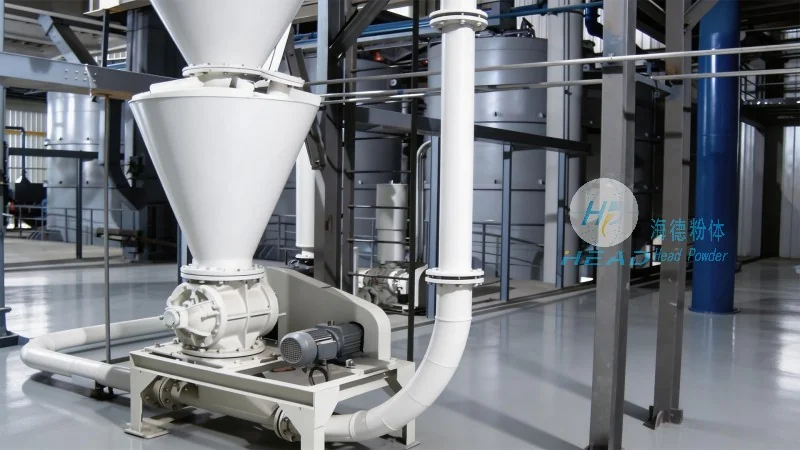
Railway Transport: Efficient for Long-Distance Movements
For long-distance transportation of cassava, railway transport emerges as a viable option. Railways can handle larger volumes of cassava compared to trucks, making them economical for bulk shipments. The infrastructure in regions like Shandong, China, supports railway connections that link cassava-producing areas to processing centers. This method reduces fuel costs and carbon emissions per tonne, contributing to more sustainable transportation. However, the setup requires access to railway lines and loading/unloading facilities, which may not be available in all locations.
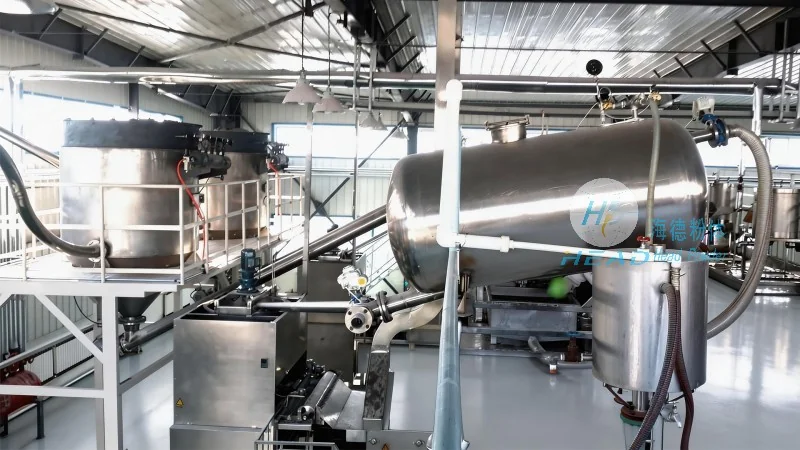
Waterway Transport: Ideal for Coastal and Riverine Areas
In areas with access to rivers or coastal waterways, waterway transport provides an effective solution for cassava transportation. Barges or ships can carry substantial amounts of cassava over long distances with relatively low operational costs. This method is particularly advantageous in regions where the terrain is challenging for road or rail transport. The use of waterways helps in reducing the environmental impact of transportation, as it involves lower fuel consumption and emissions compared to road transport. Companies operating in such areas often integrate waterway transport into their logistics chain to enhance efficiency.
Specialized Equipment and Handling Techniques
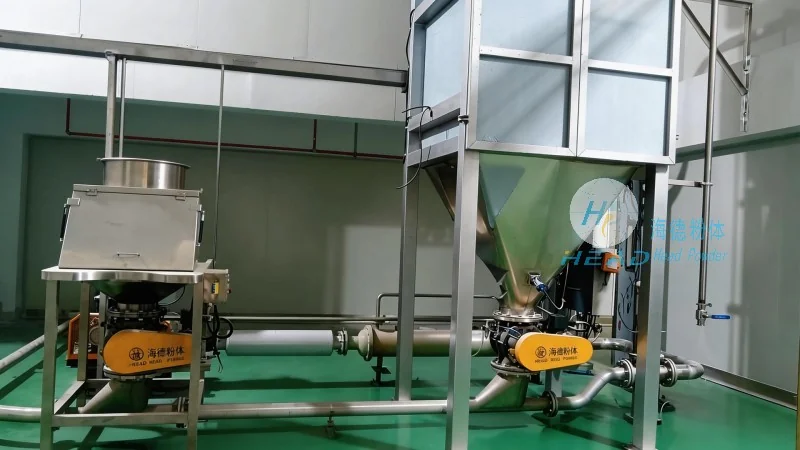
Regardless of the primary transportation method chosen, specialized equipment and handling techniques are essential to ensure the cassava remains in good condition. For truck and railway transport, the use of temperature-controlled containers can help maintain the optimal temperature of cassava, preventing spoilage. In waterway transport, proper loading and securing methods are crucial to avoid damage during transit. Additionally, the use of conveyor systems at loading and unloading points facilitates the smooth transfer of cassava from the source to the transport vehicle, minimizing manual handling and associated risks.
Choosing the Right Transportation Method for Your Needs
The selection of the most appropriate cassava transportation method depends on several factors, including the scale of production, the distance to the processing facility, and the local infrastructure. For small-scale operations, truck transport may be sufficient, while large-scale producers might benefit from a combination of truck and railway transport. It is also important to consider the cost implications, including fuel prices, maintenance of vehicles, and the availability of skilled personnel for handling. By carefully evaluating these aspects, businesses can optimize their cassava transportation process, ensuring timely delivery and maintaining the quality of the raw material.