Công ty TNHH Kỹ thuật Headpowder Sơn Đông chuyên vận chuyển khí nén bột và hạt. Nhờ thế mạnh hợp tác doanh nghiệp‑trường‑viện, chúng tôi cung cấp giải pháp vận chuyển kín, không bụi, độ chính xác cao.
When it comes to handling and transporting dry lime, selecting the right method is crucial for efficiency, safety, and cost-effectiveness. Dry lime, a common industrial material used in various applications such as water treatment, flue gas desulfurization, and soil stabilization, requires specialized equipment and systems to ensure reliable transport from production sites to end-users. This article explores the primary methods used for dry lime transportation, highlighting the advantages and considerations of each approach.
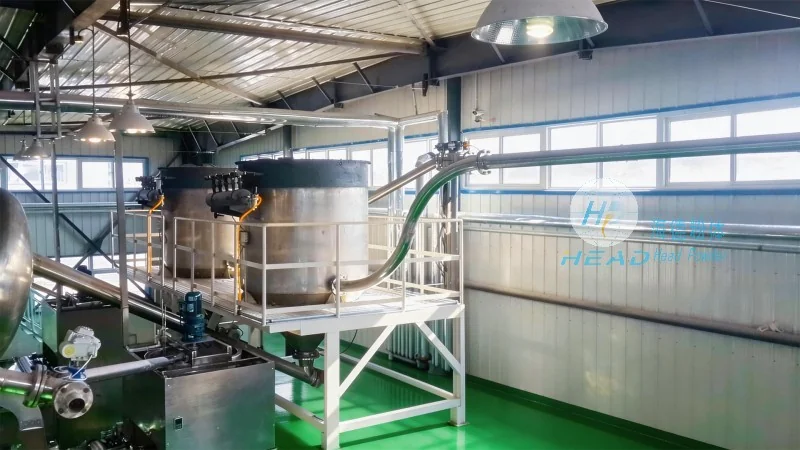
Company Introduction: Shandong HeadPowder Engineering Co., Ltd.
As a leading provider of industrial material handling solutions, Shandong HeadPowder Engineering Co., Ltd. specializes in designing and manufacturing equipment tailored to the unique needs of dry lime and similar bulk materials. With years of experience in the field, the company offers comprehensive services, including equipment selection, system integration, and technical support to ensure optimal performance and longevity of dry lime transport systems. HeadPowder's commitment to quality and innovation has made it a trusted partner for businesses seeking reliable solutions for dry lime handling and transportation.
Common Methods for Dry Lime Transportation
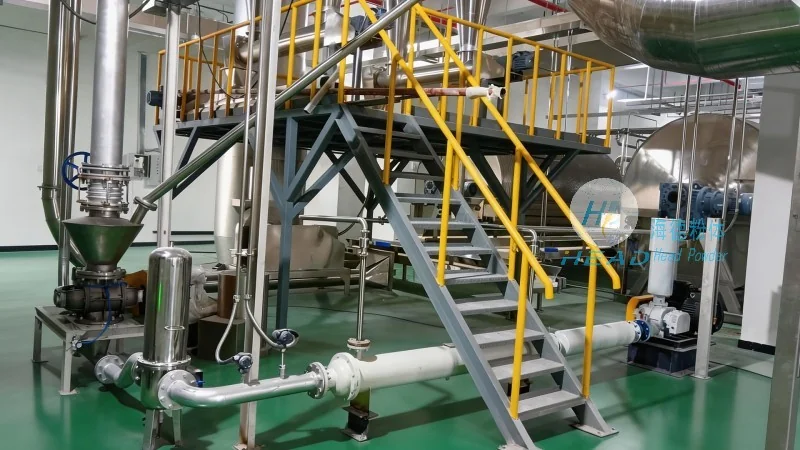
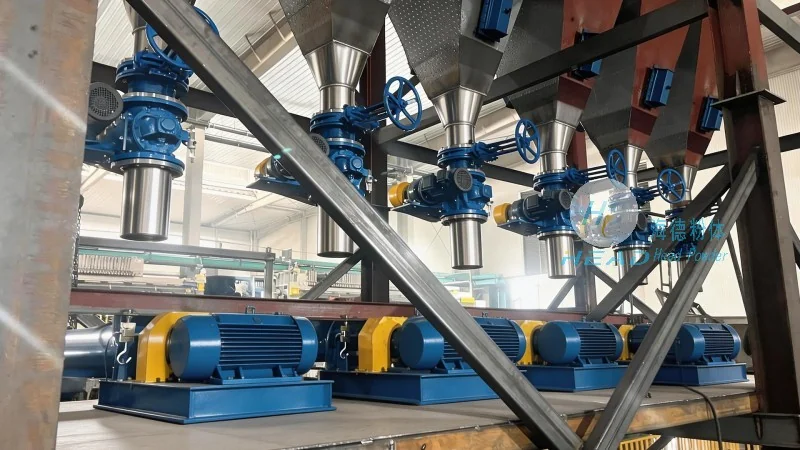
Dry lime transportation can be achieved through several methods, each with its own set of advantages and limitations. The choice of method depends on factors such as the distance to be covered, the volume of material, the required speed of transport, and the specific characteristics of the dry lime being handled. Below are the most widely used approaches for dry lime transport:
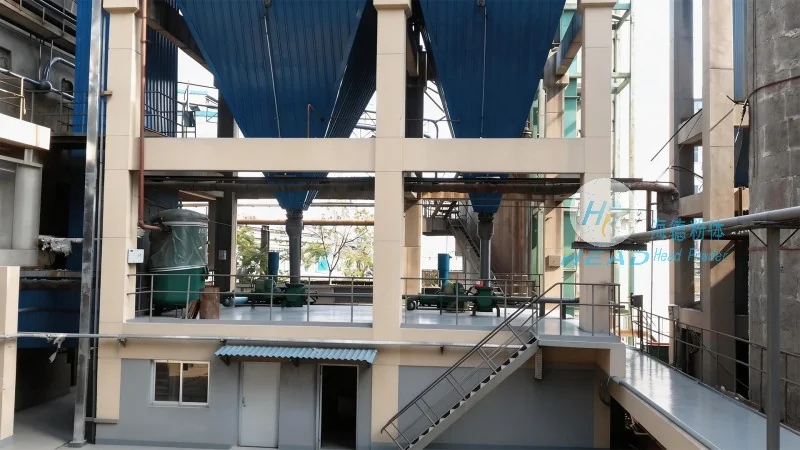
Pipeline Transportation
Pipeline transportation is a highly efficient method for moving dry lime over long distances, particularly in industrial settings where large volumes of material need to be transported continuously. This method involves conveying dry lime through a network of pipes using positive pressure or vacuum systems. The dry lime is typically stored in a silo or hopper and then fed into the pipeline via a rotary valve or feeder. The material is then transported through the pipeline at a controlled speed, often using a pneumatic or mechanical conveyor system. One of the key advantages of pipeline transportation is its ability to handle large volumes of dry lime with minimal labor and space requirements. Additionally, this method is highly automated, reducing the risk of human error and improving overall operational efficiency. However, pipeline systems require significant upfront investment in infrastructure, including the installation of pipes, valves, and control systems. Maintenance costs can also be higher due to the need for regular cleaning and inspection of the pipeline to prevent clogging or material buildup. Furthermore, pipeline transportation is generally limited to short to medium distances, typically up to several kilometers, as the pressure drop over longer distances can become excessive and require additional pumping stations.

 Shandong Headpowder Engineering Co., Ltd.
 156-6277-7102(Quản lý Trương)
  0531-83386006
  Thành phố Tế Nam, Tỉnh Sơn Đông, Trung Quốc
Điện thoại
WeChatTư vấn
Lên đầu