

Aluminum Nitride Conveying: Available Methods and Techniques
When handling aluminum nitride (AlN), a high-performance ceramic material widely used in electronics, optics, and thermal management applications, selecting the right conveying method is crucial for maintaining material integrity, efficiency, and safety. The choice of conveying system depends on factors such as material properties, processing environment, and production scale. This article explores the primary methods for aluminum nitride conveying, providing insights into their applications and benefits.
1. Air-Flow Conveying (Pneumatic Conveying)
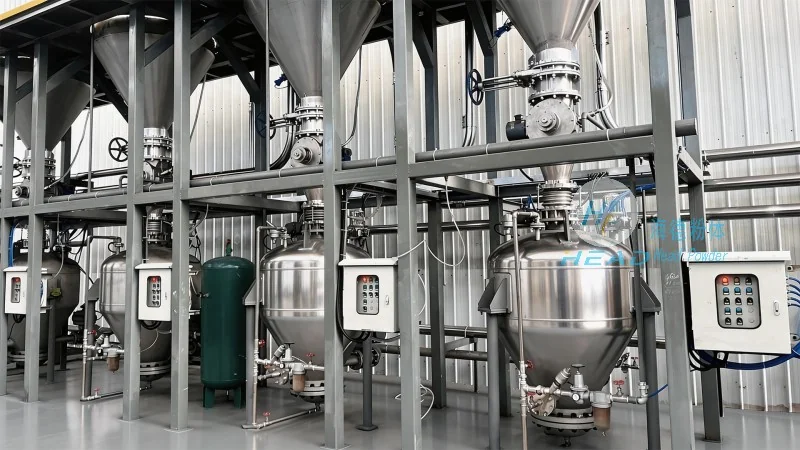
Pneumatic conveying, also known as air-flow conveying, is a common method for transporting aluminum nitride, especially in powder form. This technique uses compressed air to move the material through a pipeline. There are two main types: dilute-phase and dense-phase pneumatic conveying. Dilute-phase systems are suitable for low to medium material loads, where the powder is suspended in air and travels at high velocities. Dense-phase systems, on the other hand, operate at lower velocities and higher material concentrations, which helps minimize particle degradation and clogging. For aluminum nitride, which is often sensitive to impact and friction, dense-phase conveying is often preferred as it reduces the risk of particle breakage and maintains the material's purity. The HeadPowder Engineering Co., Ltd. specializes in designing and manufacturing pneumatic conveying systems tailored to the unique requirements of AlN, ensuring efficient and reliable material transport while preserving the material's quality.
2. Mechanical Conveying Systems
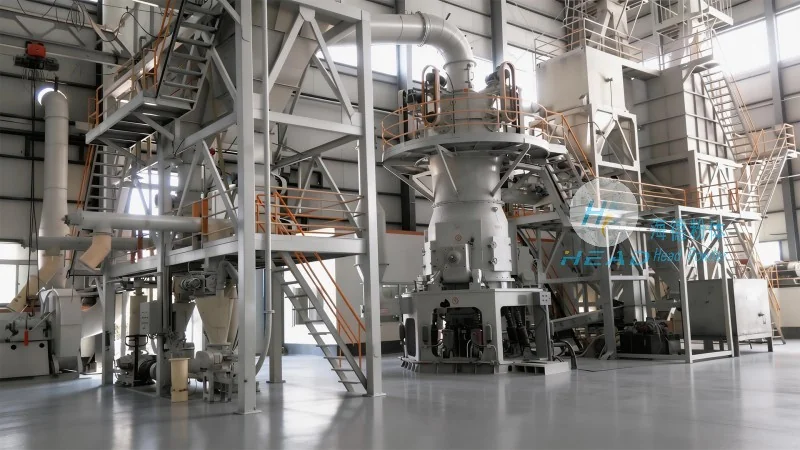
Mechanical conveying methods, such as screw conveyors, belt conveyors, and bucket elevators, are also used for aluminum nitride transport. Screw conveyors are particularly effective for handling dry, free-flowing powders like AlN. They consist of a rotating screw inside a trough, which moves the material forward. The design of the screw and trough can be customized to prevent material buildup and ensure smooth flow. Belt conveyors are suitable for larger batches of AlN, providing a continuous and stable transport path. These systems are often used in bulk handling applications where high throughput is required. Bucket elevators are used for vertical transport, lifting the material from lower to higher levels. Mechanical conveyors are generally more cost-effective and straightforward to install compared to pneumatic systems, making them a viable option for smaller-scale operations or when the material is less sensitive to air exposure.
3. Vacuum Conveying
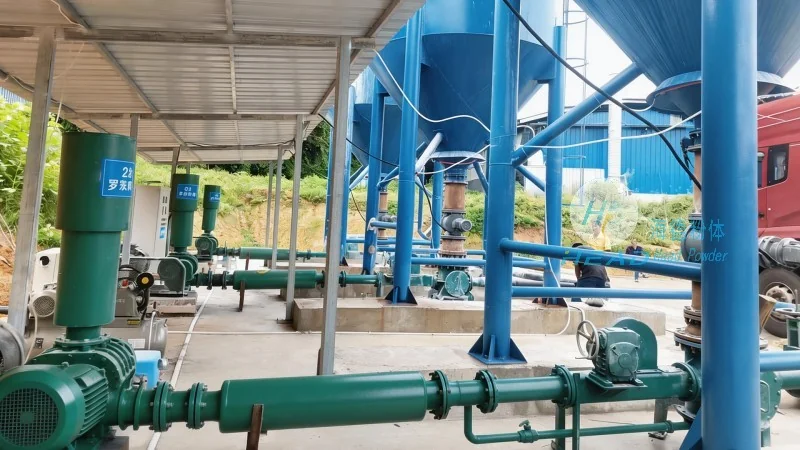
Vacuum conveying is another method that uses a vacuum to draw aluminum nitride particles into a collection container. This technique is ideal for handling fine powders that are prone to dusting or for applications where a closed system is necessary to prevent contamination or environmental issues. Vacuum conveyors can be designed as single-stage or multi-stage systems, with the latter providing better control over material flow and pressure. For aluminum nitride, which may contain moisture or be sensitive to moisture absorption, vacuum conveying can help maintain the material's dryness and prevent degradation. The HeadPowder Engineering Co., Ltd. offers vacuum conveying solutions that are tailored to the specific characteristics of AlN, ensuring efficient and hygienic material transport.
4. Specialized Conveying Solutions
In some cases, standard conveying methods may not be sufficient for aluminum nitride due to its unique properties, such as high thermal conductivity or specific particle size distribution. Specialized solutions, including vibratory conveyors and fluidized bed conveyors, may be employed. Vibratory conveyors use vibration to move the material along a trough, which is effective for handling sticky or cohesive powders. Fluidized bed conveyors, on the other hand, suspend the material in a fluidized state using air or gas, allowing for gentle and uniform transport. These specialized systems are often used in high-purity applications where even minor contamination or particle damage could impact the final product quality. The HeadPowder Engineering Co., Ltd. provides customized conveying solutions that address the specific challenges of aluminum nitride, ensuring optimal performance and material integrity.
5. Factors to Consider When Choosing a Conveying Method
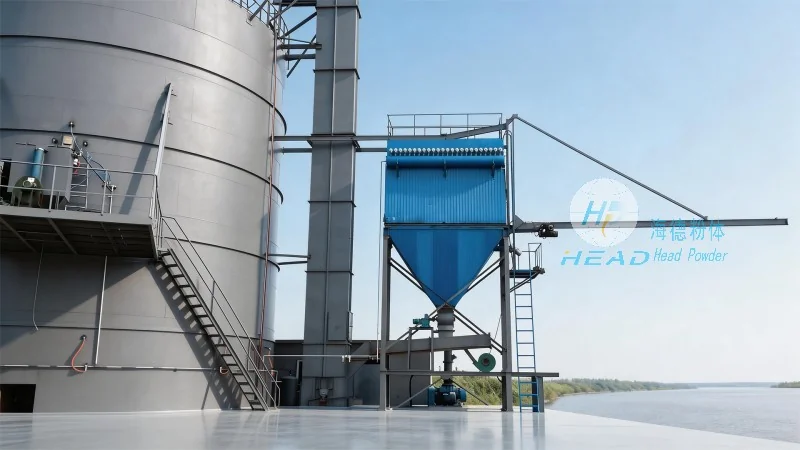
When selecting a conveying method for aluminum nitride, several factors must be considered to ensure the best results. First, the material's physical properties, such as particle size, density, and flowability, play a critical role. Aluminum nitride is typically a fine powder with a high density, which affects the choice of system. Second, the production environment, including temperature and humidity, must be taken into account, as AlN is sensitive to moisture and can degrade if exposed to high temperatures or corrosive gases. Third, the scale of the operation, from small laboratory batches to large industrial production, influences the system's capacity and complexity. Finally, cost and maintenance requirements are important considerations, as different conveying methods have varying upfront and operational costs. By evaluating these factors, manufacturers can choose the most appropriate conveying method for their aluminum nitride handling needs.
Conclusion
Choosing the right conveying method for aluminum nitride is essential for maintaining the material's quality and ensuring efficient production processes. Whether using pneumatic, mechanical, vacuum, or specialized systems, the goal is to transport the material safely and effectively while preserving its properties. The HeadPowder Engineering Co., Ltd. offers a range of conveying solutions tailored to the unique requirements of aluminum nitride, helping manufacturers optimize their material handling processes and achieve better results. With their expertise in material science and engineering, HeadPowder provides reliable and efficient conveying systems that meet the demands of modern AlN applications.