

Methods for Sodium Sulfate Transportation
Sodium sulfate, also known as Glauber's salt or mirabilite, is a widely used chemical compound in various industrial applications. The efficient and safe transportation of this substance is crucial for industries such as paper manufacturing, glass production, and chemical processing. Companies like Shandong HeadPowder Engineering Co., Ltd., based in China, specialize in providing reliable solutions for sodium sulfate delivery, ensuring that clients receive their products in optimal condition. This article explores the different methods available for transporting sodium sulfate, highlighting the key considerations and advantages of each approach.
1. Pipeline Transportation: A Modern and Efficient Option
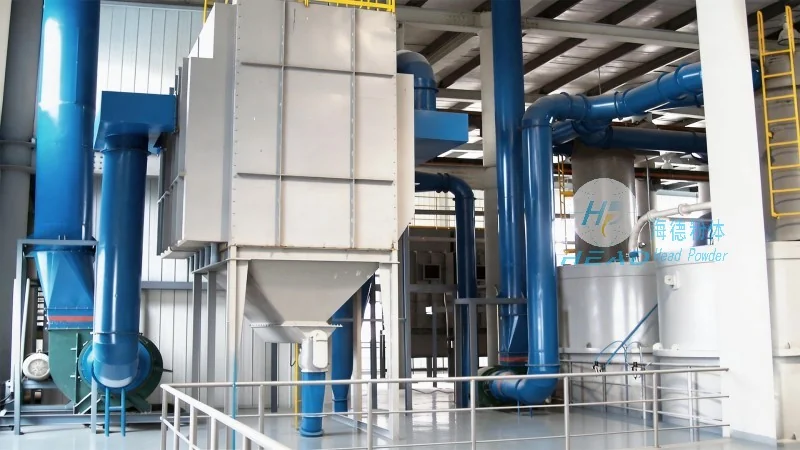
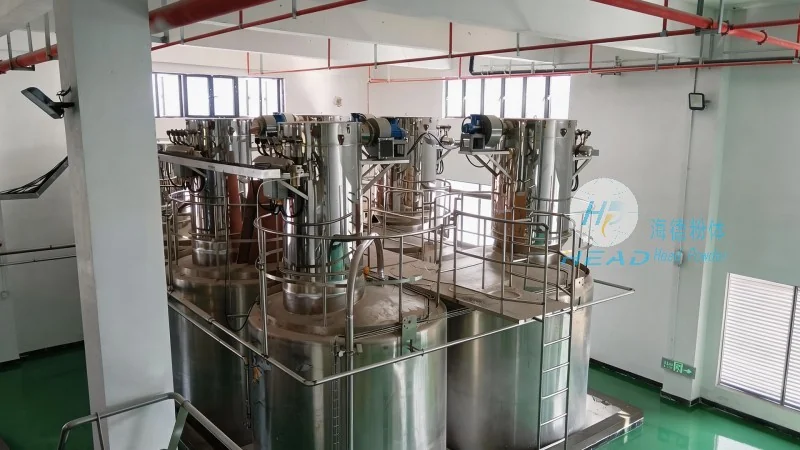
One of the most common and efficient methods for sodium sulfate transportation is through pipelines. This method is particularly suitable for large-scale industrial operations where a steady supply of the chemical is required. The process involves pumping the sodium sulfate solution through a network of pipelines, which can be underground or above ground, depending on the terrain and infrastructure. Pipeline transportation offers several benefits, including reduced transportation costs, lower environmental impact compared to road or rail transport, and enhanced safety due to the enclosed system. For companies like HeadPowder, which may have their own pipeline infrastructure or work with established pipeline networks, this method provides a consistent and reliable way to deliver sodium sulfate to their clients. The key advantage is the ability to maintain a continuous flow of the product, minimizing downtime and ensuring that production processes are not interrupted. However, pipeline transportation requires significant upfront investment in infrastructure and may not be feasible for smaller-scale operations or for transporting sodium sulfate to remote locations.
2. Tanker Truck Transportation: Flexibility and Accessibility
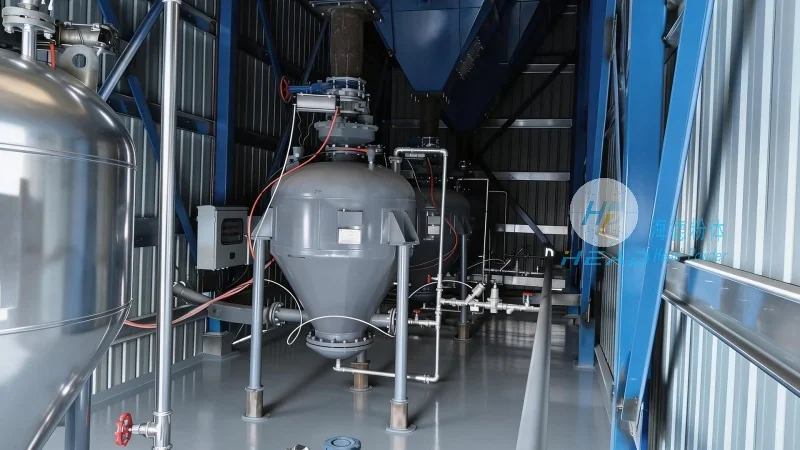
Another widely used method for sodium sulfate transportation is via tanker trucks. This approach offers flexibility and accessibility, making it suitable for a variety of applications, from small-scale deliveries to larger bulk shipments. Tanker trucks are designed to carry liquid or slurry forms of sodium sulfate, ensuring that the product remains stable during transit. The trucks are equipped with specialized tanks that are insulated and sometimes heated, depending on the specific requirements of the sodium sulfate being transported. This method allows for direct delivery to the client's facility, eliminating the need for additional storage or handling at intermediate points. For industries that require on-site delivery or have limited storage capacity, tanker trucks provide a convenient solution. The flexibility of this method also makes it ideal for transporting sodium sulfate to locations that are not connected by pipelines or for delivering to multiple clients in a region. However, tanker truck transportation may be more expensive than pipeline transport due to fuel costs and the need for skilled drivers. Additionally, there are regulatory requirements and safety protocols that must be followed to ensure compliance with environmental and transportation standards.
3. Bulk Shipping via Rail or Water: Cost-Effective for Large Volumes
For large-scale transportation of sodium sulfate, especially for bulk quantities, rail or water shipping is often the most cost-effective option. Rail transport involves loading the sodium sulfate into specialized railcars, which are designed to carry bulk liquids or solids. This method is particularly advantageous for transporting large volumes over long distances, as it can carry significantly more material than road transport. Water shipping, such as using tankers or bulk carriers, is another option, especially for international or long-distance shipments. Both rail and water transport are generally more economical for large volumes compared to road transport, as they reduce the number of vehicles and drivers needed. For companies like Shandong HeadPowder Engineering Co., Ltd., which may handle large quantities of sodium sulfate, these methods help in optimizing logistics and reducing overall transportation costs. However, rail and water transport require careful planning and coordination, as they involve multiple parties and infrastructure. There are also considerations related to loading and unloading, as well as ensuring that the product remains stable during the journey. Despite these challenges, rail and water shipping remain popular choices for bulk sodium sulfate transportation due to their cost-effectiveness and ability to handle large volumes efficiently.
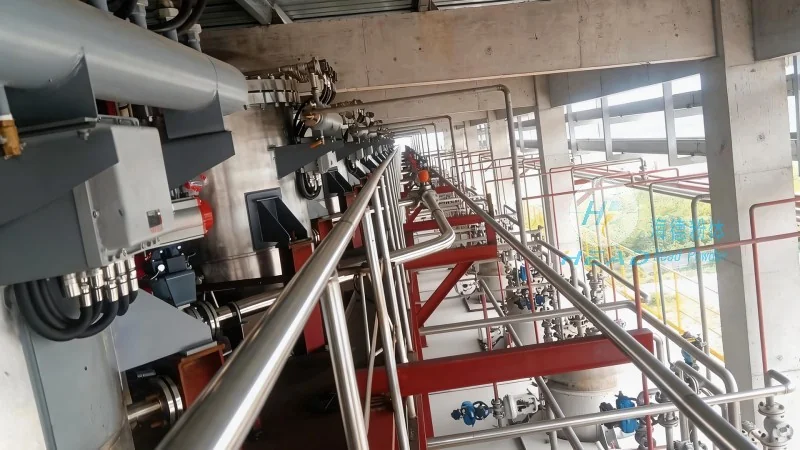
4. Packaging and Small-Scale Delivery: Meeting Diverse Needs
In addition to the large-scale transportation methods mentioned above, sodium sulfate can also be transported in packaged forms for smaller quantities or for specific applications. This includes packaging in bags, containers, or drums, which are suitable for industrial or laboratory use. The packaging method is chosen based on the form of sodium sulfate (e.g., powder, granules, or crystals) and the intended use of the product. For example, powdered sodium sulfate may be packaged in plastic bags or cardboard boxes, while granular forms may be stored in bulk bags or containers. Small-scale delivery via road transport, such as using delivery trucks or vans, is common for these packaged products. This method allows for direct delivery to the client's site, ensuring that the product is delivered in the correct quantity and condition. Packaging and small-scale delivery are particularly useful for clients who require smaller amounts of sodium sulfate or for applications that need the product in a specific form. For HeadPowder, this method provides a way to serve a wider range of clients, from small businesses to research institutions. The key advantage of this approach is the flexibility it offers, as it can be tailored to meet the specific needs of each client. However, it may not be as cost-effective as bulk transportation for large volumes, and there are additional considerations related to packaging materials and handling to ensure the product remains intact during transit.