

What Methods Can Be Used for Gypsum Sand Conveying?
When it comes to the efficient handling and transportation of gypsum sand, selecting the right conveying method is crucial for optimizing industrial processes. Gypsum sand, a key material in construction and industrial applications, requires reliable and effective transport solutions to ensure smooth operations. This article explores various methods that can be employed for gypsum sand conveying, focusing on practical applications and technical considerations.
Understanding Gypsum Sand and Its Conveying Requirements
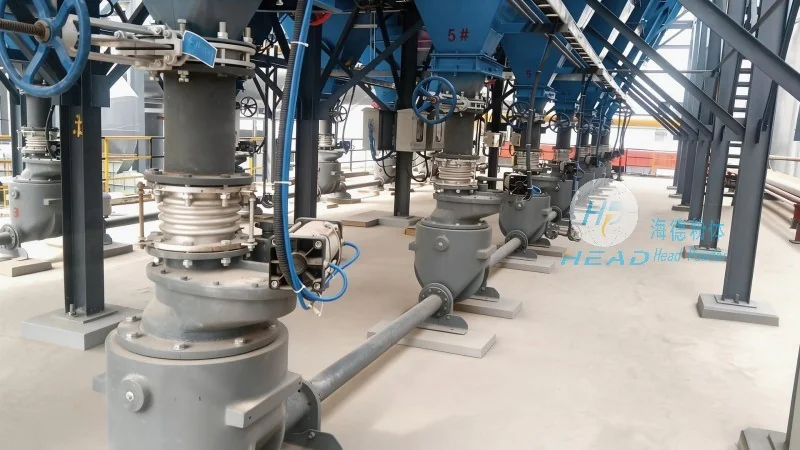
Gypsum sand, composed of finely ground gypsum, is widely used in the production of plaster, drywall, and other building materials. Its properties, such as particle size, moisture content, and bulk density, influence the choice of conveying system. The goal of any conveying method is to move gypsum sand from its source to the processing or storage area with minimal loss, contamination, and energy consumption. Proper selection of the conveying method ensures that the material remains in optimal condition, preserving its quality for downstream applications.
Common Conveying Methods for Gypsum Sand
Several methods are commonly used for gypsum sand conveying, each with its own advantages and suitability for different scenarios. The primary methods include mechanical conveyors, pneumatic conveying systems, and bucket elevators. Each method is designed to address specific operational needs, such as material characteristics, distance, and environmental factors.
1. Mechanical Conveyors: A Reliable Option for Bulk Handling
Mechanical conveyors, such as belt conveyors and screw conveyors, are widely used for gypsum sand transport due to their robustness and efficiency. Belt conveyors are particularly effective for long-distance horizontal or slightly inclined transport. They consist of a continuous belt that moves the material along a frame, with idlers and pulleys ensuring smooth operation. The design of the belt conveyor can be customized to handle varying particle sizes and loads, making it suitable for both small and large-scale operations. Screw conveyors, on the other hand, use a rotating screw to push the material forward, ideal for vertical or inclined transport. These systems are compact and can be integrated into existing processing lines, providing a flexible solution for gypsum sand handling.
2. Pneumatic Conveying Systems: Ideal for Dust-Free and Clean Transport
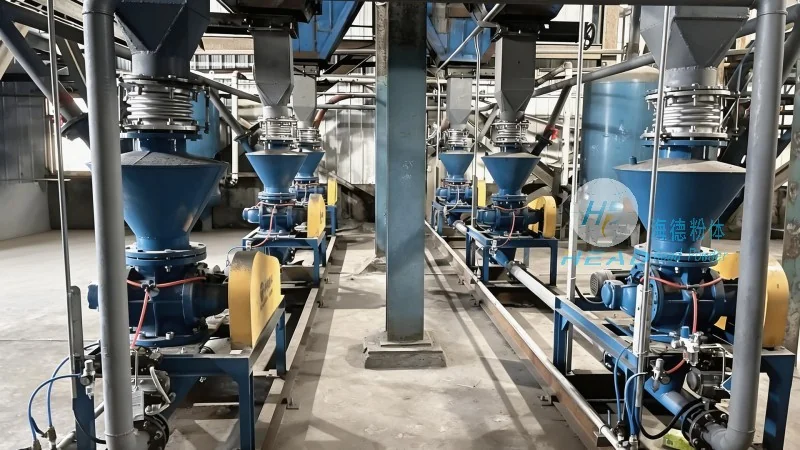
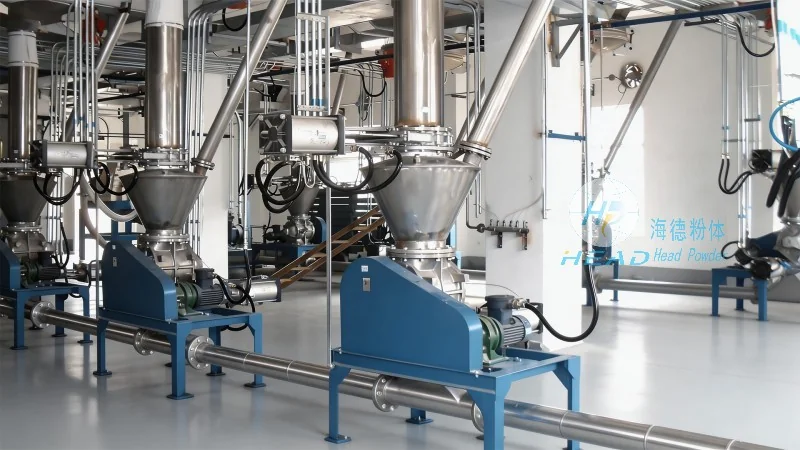
Pneumatic conveying systems utilize air pressure to transport gypsum sand through a pipeline. This method is particularly advantageous when a dust-free environment is required, as it eliminates the need for open chutes and reduces the risk of material contamination. There are two main types of pneumatic conveying: positive pressure and negative pressure systems. Positive pressure systems blow air into the pipeline, pushing the material forward, while negative pressure systems create a vacuum to draw the material into the line. The choice between these systems depends on the distance, material characteristics, and desired level of control. Pneumatic conveying is often preferred for applications where hygiene and cleanliness are critical, such as in food processing or pharmaceutical industries, though it may require higher energy input compared to mechanical conveyors.
3. Bucket Elevators: Efficient Vertical Transport Solutions
Bucket elevators are specialized equipment designed for vertical or steeply inclined transport of bulk materials, including gypsum sand. These systems consist of a continuous chain with buckets attached, which travel inside a vertical or inclined casing. As the chain moves, the buckets scoop up the material at the bottom and discharge it at the top. Bucket elevators are highly efficient for vertical transport, capable of moving large volumes of material over significant heights with minimal space requirements. They are particularly suitable for applications where vertical space is limited or where the material needs to be lifted to a higher level for processing. The design of the bucket elevator can be adjusted to handle different particle sizes and material densities, ensuring reliable operation.
Factors to Consider When Choosing a Conveying Method
When selecting a conveying method for gypsum sand, several factors must be considered to ensure optimal performance and cost-effectiveness. These factors include the material's physical properties, such as particle size distribution, moisture content, and bulk density. The distance and layout of the conveying system also play a crucial role, as different methods are better suited for short or long distances. Energy consumption and operational costs are important considerations, as they directly impact the overall efficiency of the process. Additionally, the environmental requirements, such as dust control and noise reduction, should be taken into account. The availability of space and the integration with existing equipment are also key factors that influence the choice of conveying method.
Conclusion: Selecting the Right Gypsum Sand Conveying Method
Choosing the appropriate conveying method for gypsum sand is essential for maintaining operational efficiency and product quality. Mechanical conveyors offer reliability and cost-effectiveness for bulk handling, while pneumatic systems provide dust-free and clean transport. Bucket elevators are ideal for vertical transport, ensuring efficient movement of material over significant heights. By considering the material's properties, operational requirements, and environmental factors, industrial facilities can select the most suitable conveying method. This ensures that gypsum sand is transported safely, efficiently, and in optimal condition, supporting the overall productivity of the production process. For companies in need of specialized conveying solutions, Shandong HeadPowder Engineering Co., Ltd. provides expert guidance and tailored equipment to meet their specific gypsum sand handling needs.