

What Are the Methods for Sawdust Particle Conveying?
Efficient and reliable sawdust particle conveying is crucial in various industrial applications, particularly in the wood processing and biomass energy sectors. The proper selection of conveying methods ensures optimal material handling, minimal loss, and adherence to safety standards. For businesses operating in these fields, understanding the available options is essential for enhancing operational efficiency and maintaining product quality.
Overview of Sawdust Particle Conveying Methods
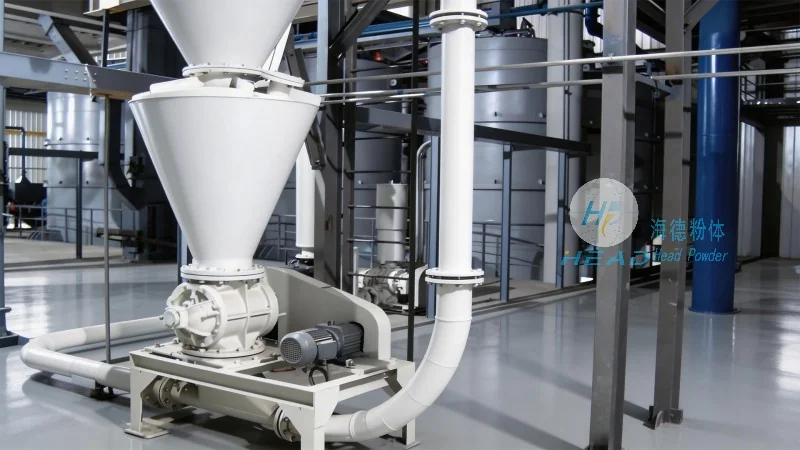
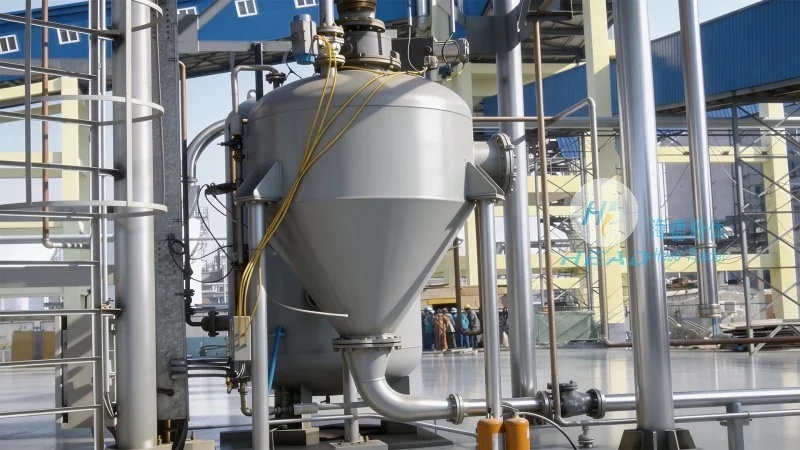
Sawdust, a fine and lightweight biomass material, requires specialized handling due to its granular nature and potential for dust generation. Conveying systems must be designed to address these characteristics while ensuring smooth material transport from source to destination. The primary methods for sawdust particle conveying include pneumatic conveying, screw conveyors, belt conveyors, and bucket elevators. Each method has distinct advantages and is suitable for different operational conditions and material flow requirements.
Pneumatic Conveying Systems
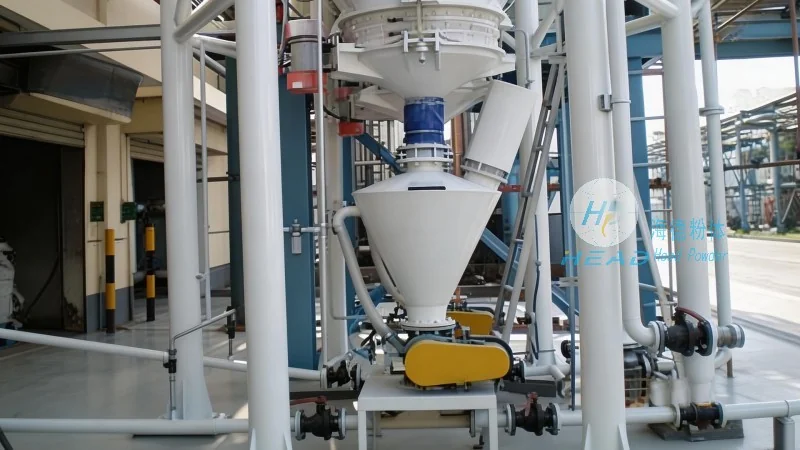
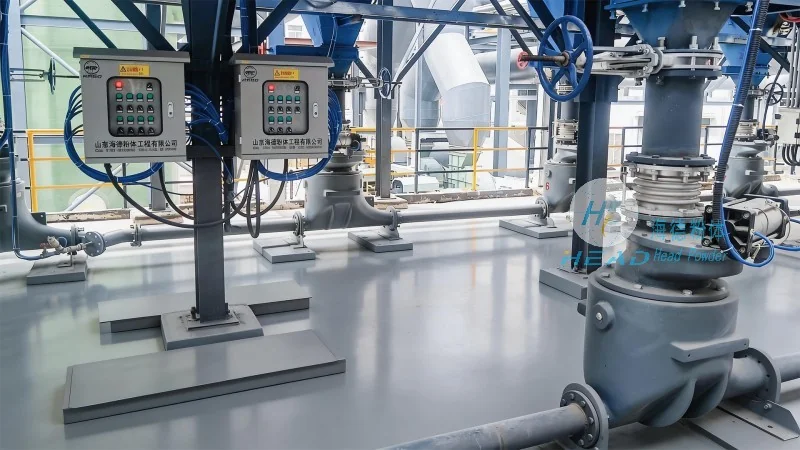
Pneumatic conveying, also known as air conveying, is a widely used method for transporting sawdust particles. This system utilizes compressed air to move the material through a pipeline. There are two main types of pneumatic conveying: pressure and vacuum systems. Pressure systems are ideal for short to medium distances and high material volumes, as they can handle larger particle sizes and provide consistent flow. Vacuum systems, on the other hand, are suitable for longer distances and more delicate materials, as they operate at lower pressures and reduce the risk of material degradation. The choice between pressure and vacuum depends on the specific application, including the distance between the sawdust source and processing equipment, as well as the required material flow rate. Pneumatic conveying offers advantages such as minimal maintenance, the ability to handle abrasive materials, and the prevention of cross-contamination. However, it requires proper air filtration and moisture control to maintain material quality and prevent equipment damage.
Screw Conveyors for Sawdust Transport
Screw conveyors, also known as auger conveyors, are another effective method for sawdust particle conveying. These systems consist of a rotating screw (auger) inside a cylindrical tube, which moves the material forward through the tube. Screw conveyors are particularly suitable for horizontal or slightly inclined transport, as they can handle a wide range of particle sizes and moisture content. They are commonly used in wood processing facilities for transporting sawdust from chippers or dryers to storage silos or processing units. The key advantages of screw conveyors include their compact design, low maintenance requirements, and ability to operate in enclosed systems, which helps control dust and odors. However, they may not be suitable for very long distances or high material volumes, as the screw can experience wear and tear over time. Proper selection of the screw pitch and material of construction is essential to ensure efficient operation and prevent material blockages. For example, a helical screw with a moderate pitch is often used for sawdust, as it provides sufficient thrust while minimizing friction and wear.
Belt Conveyors in Sawdust Handling
Belt conveyors are a versatile and cost-effective solution for sawdust particle conveying, especially in applications requiring long-distance transport or high material throughput. These systems consist of a continuous belt that moves over rollers or pulleys, transporting the sawdust from one location to another. Belt conveyors are commonly used in biomass processing plants for transporting sawdust from collection areas to processing equipment or storage facilities. The choice of belt material, such as rubber or PVC, depends on the material's abrasiveness and moisture content. For sawdust, a durable rubber belt with a textured surface is often preferred to prevent material slippage and ensure smooth transport. Belt conveyors can handle large volumes of material and are suitable for both horizontal and inclined transport. However, they require regular maintenance to check for belt tension, pulley alignment, and wear. Proper alignment and tensioning are crucial to prevent belt damage and ensure efficient operation. Additionally, belt conveyors can be equipped with accessories like feeders or dividers to control material flow and prevent overloading.
Bucket Elevators for Vertical Sawdust Transport
For vertical or steeply inclined transport of sawdust particles, bucket elevators are an efficient and reliable option. These systems consist of a continuous chain with buckets attached, which moves the material upward through a vertical or inclined casing. Bucket elevators are commonly used in wood processing facilities to transport sawdust from the ground level to storage silos or processing units at elevated heights. The key advantages of bucket elevators include their high capacity, ability to handle vertical transport, and minimal space requirements. They are particularly suitable for applications where horizontal space is limited or where the material needs to be elevated to a significant height. However, bucket elevators require regular maintenance to check for chain tension, bucket wear, and casing alignment. Proper maintenance is essential to prevent material spillage and ensure safe operation. The speed of the bucket elevator and the size of the buckets are critical factors in determining the material flow rate and efficiency. For sawdust, larger buckets with a moderate speed are often used to ensure smooth transport and prevent material degradation.