

Foaming Powder Transportation Methods
When it comes to the efficient and reliable transport of foaming powder, selecting the right method is crucial for maintaining product integrity and operational efficiency. For industries that rely on foaming powders, such as fire suppression systems, construction materials, or industrial cleaning solutions, the choice of transportation method can significantly impact performance and safety.
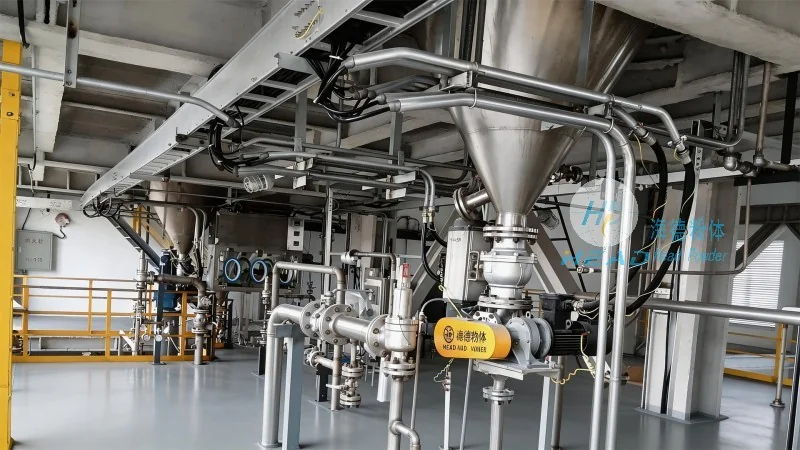
Understanding Foaming Powder Characteristics
Before discussing transportation methods, it's essential to understand the properties of foaming powder. These powders are typically fine, dry particles that require careful handling to prevent caking, agglomeration, or degradation. Factors like moisture content, particle size distribution, and chemical composition influence how the powder behaves during transport. For example, some foaming powders are hygroscopic, meaning they absorb moisture from the air, which can affect their flowability and reactivity. Others may be sensitive to temperature changes, which can alter their physical state and handling requirements. By understanding these characteristics, manufacturers and users can choose the most appropriate transport method to ensure the powder remains in optimal condition throughout the process.
Common Methods for Foaming Powder Transport
Several methods are commonly used for transporting foaming powder, each with its own advantages and applications. The selection of a method depends on factors such as the volume of powder to be transported, the distance, the required speed, and the specific properties of the powder itself. Key methods include bulk handling systems, pneumatic conveying, and mechanical conveying systems.
Bulk Handling Systems
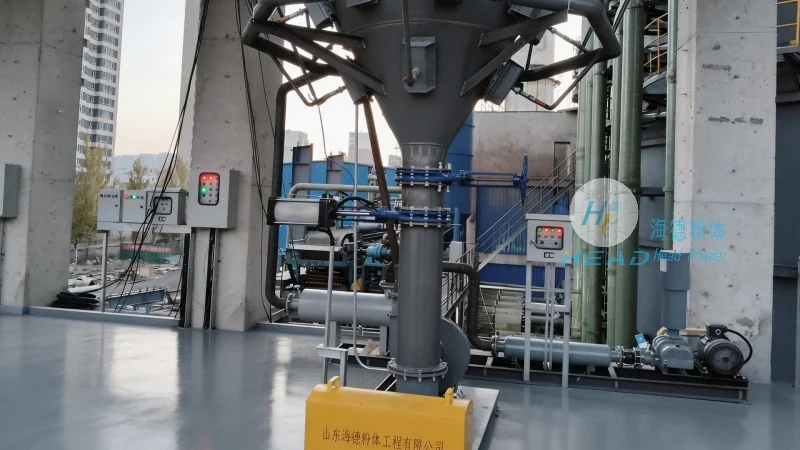
Bulk handling systems are widely used for large-scale transport of foaming powder. These systems typically involve storage silos or hoppers that feed the powder into a conveyor or loading equipment. One common approach is the use of screw conveyors or auger conveyors, which are suitable for horizontal or slight incline transport. These systems are often used in industrial settings where large quantities of powder need to be moved from storage to processing equipment or to packaging lines. The advantage of bulk handling systems is their ability to handle high volumes of material with minimal labor, making them ideal for continuous production environments. However, they may require regular maintenance to prevent blockages or wear from the abrasive nature of the powder. For instance, in a fire suppression system manufacturer, bulk handling systems might be used to transport foaming powder from a storage silo to a mixing or packaging machine, ensuring a steady supply of material for production.
Pneumatic Conveying Systems
Pneumatic conveying systems use air or other gases to transport foaming powder through a pipeline. This method is particularly effective for fine powders that are difficult to handle with mechanical systems. There are two main types of pneumatic conveying: pressure and vacuum systems. Pressure systems force air into the pipeline, pushing the powder forward, while vacuum systems create a negative pressure that pulls the powder into the line. Pneumatic conveying is advantageous for long-distance transport and can handle powders with high moisture content or those that are sensitive to mechanical stress. However, it requires careful control of air pressure and flow rates to prevent particle degradation or system clogging. In applications like industrial cleaning or construction material production, pneumatic conveying can be used to transport foaming powder from a central storage facility to multiple processing sites, ensuring consistent delivery of the material. The system's flexibility allows for changes in transport routes or volumes without significant modifications to the infrastructure.
Mechanical Conveying Systems
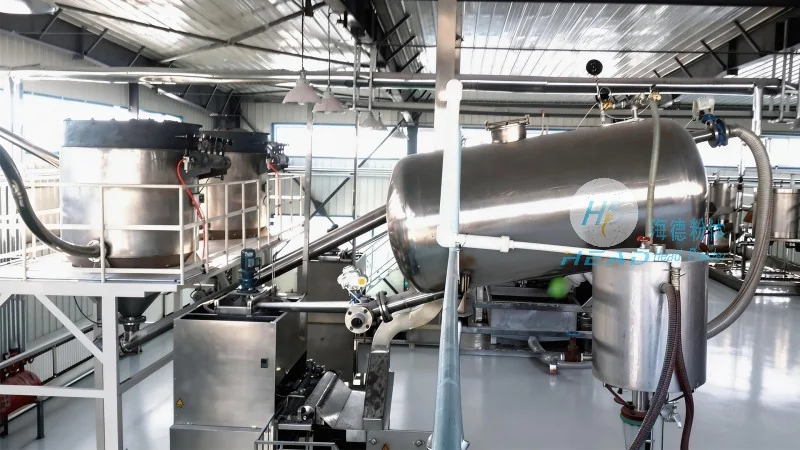
Mechanical conveying systems rely on mechanical components like belts, buckets, or chains to move foaming powder. These systems are often used for short to medium distances and are suitable for both horizontal and vertical transport. One common type is the bucket elevator, which uses a series of buckets attached to a chain or belt to lift and transport powder vertically. Another type is the belt conveyor, which uses a moving belt to transport powder horizontally. Mechanical conveying systems are generally more cost-effective for shorter distances and lower volumes compared to pneumatic systems. They are also easier to install and maintain, making them a popular choice for small to medium-sized operations. However, they may not be as efficient for very fine powders or those that are prone to caking, as the mechanical components can cause abrasion or blockages. For example, in a construction materials plant, a belt conveyor might be used to transport foaming powder from a storage bin to a mixing machine, ensuring a smooth and continuous flow of material for production.
Specialized Transport Methods
In addition to the common methods mentioned above, specialized transport systems are available for specific applications or challenging powder characteristics. For example, some foaming powders may require temperature control during transport to prevent degradation. In such cases, insulated pipelines or heated transport systems can be used to maintain the powder's optimal temperature. Another specialized method is the use of fluidized bed transport, where the powder is suspended in a stream of air or gas, allowing for smooth and uniform transport. This method is particularly useful for powders that are prone to caking or agglomeration, as the fluidization process breaks up clumps and ensures consistent flow. Specialized transport methods are often employed in high-purity applications or where the powder's properties are critical to the final product quality. For instance, in pharmaceutical or food processing industries, specialized transport systems may be used to handle foaming powders that require strict contamination control and temperature management.
Factors to Consider When Choosing a Transport Method
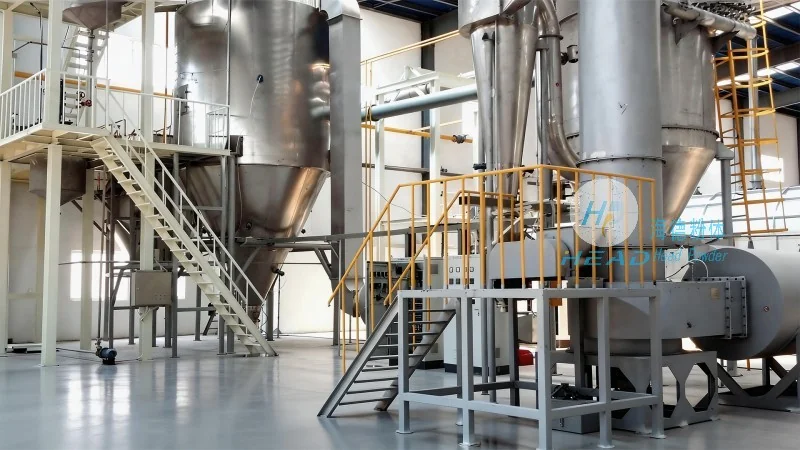
When selecting a transport method for foaming powder, several factors must be carefully evaluated to ensure the best outcome. The first consideration is the volume and distance of transport. For short distances and small quantities, mechanical conveying systems may be sufficient, while long-distance or large-volume transport may require pneumatic or bulk handling systems. The second factor is the powder's physical properties, including particle size, moisture content, and flowability. Powders with high moisture content or fine particles may be better suited for pneumatic conveying to avoid clogging, while bulk handling systems may be more appropriate for coarse or less hygroscopic powders. The third factor is the required speed and continuity of transport. If the production process requires a continuous supply of powder, then a system with high capacity and reliability, such as a bulk handling or pneumatic system, is necessary. The fourth factor is cost and maintenance. Mechanical systems are generally lower in initial cost and easier to maintain, while pneumatic systems may have higher energy costs but lower labor requirements. By considering these factors, users can select the most suitable transport method for their specific needs, ensuring efficient and reliable operation.
Conclusion
Transporting foaming powder effectively requires careful consideration of the powder's characteristics and the operational requirements of the application. Whether using bulk handling systems, pneumatic conveying, or mechanical conveying, each method has its own advantages and limitations. By understanding these options and evaluating the specific needs of the operation, manufacturers and users can choose the most appropriate transport method to maintain product quality, ensure operational efficiency, and meet safety standards. For industries that rely on foaming powders, selecting the right transport method is a critical step in optimizing production processes and ensuring the reliability of the final products.